Jordan unveils high-speed rail linking Amman to Aqaba
Note: AI technology was used to generate this article’s audio.
- Jordan plans a high-speed rail linking Amman to Aqaba.
- Project aims to transform national transport, boost tourism, and support sustainable development.
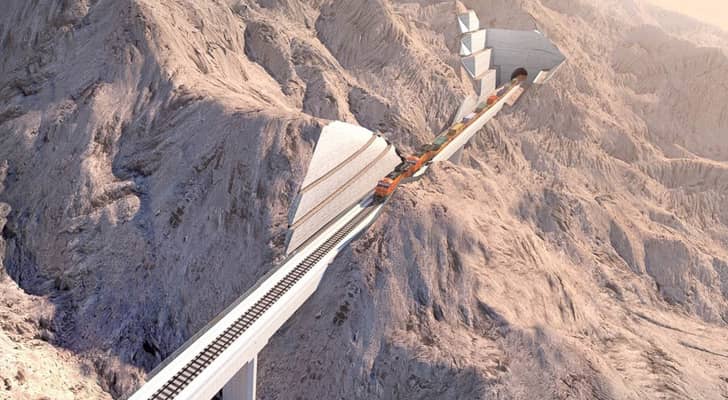
Jordan is preparing a major high-speed rail project connecting its capital, Amman, with the coastal city of Aqaba, in a move experts say will revolutionize the country’s transport infrastructure and support economic growth. Sources told Roya News that the Ministry of Investment has classified the rail line as a strategic project within its new investment opportunities.
Read more: Jordan revives Hijaz line with new light rail to Queen Alia Airport
Sustainable Nationwide Network
The project is designed not just as a traditional transport line but as a fully integrated, sustainable network across multiple governorates. Key features include:
- Connecting Major Cities: A high-speed rail line will link Amman with southern governorates, ending in Aqaba, drastically reducing travel times.
- Tourism Support: The route will serve top tourist destinations, including Petra and Wadi Rum, making travel faster for both local and international visitors.
- Environmental Sustainability: Modern technologies will minimize carbon emissions, aligning with Jordan’s international climate commitments.
Official Context and Strategic Planning
The rail project is part of Jordan’s broader “Economic Modernization Vision,” integrating transport and logistics to drive national growth. The Ministry of Investment recently listed the high-speed rail as a priority public-private partnership, with initial investment estimated at 2.3 billion Jordanian dinars.
Read more: Royal Jordanian explains flight delay from Jeddah to Amman
Jordan signed a major agreement with the UAE’s Etihad Rail Company in 2023–2024, initially focusing on phosphate and potash transport to Aqaba ports. Officials confirmed this route will form the core of the future national passenger rail network.
Studies funded by the European Investment Bank have highlighted the economic benefits of linking Amman and Aqaba, particularly given rising land transport costs and fuel prices, making high-speed rail a necessary development.
Economic Impact Beyond Transport
Experts anticipate the rail line will:
- Cut Travel Time: Cover the 330 km distance between Amman and Aqaba in under three hours, compared with four to five hours by car.
- Boost Regional Tourism: Encourage day trips to Petra and Wadi Rum from Aqaba and Amman.
- Create Jobs: Thousands of construction jobs and hundreds of permanent technical and administrative positions during operations.
The project revives hopes for a long-awaited national railway network, positioning Jordan as a regional hub for investment, tourism, and sustainable infrastructure.