US lost 25% of Reaper drone fleet in Iran war: report
Note: AI technology was used to generate this article’s audio.
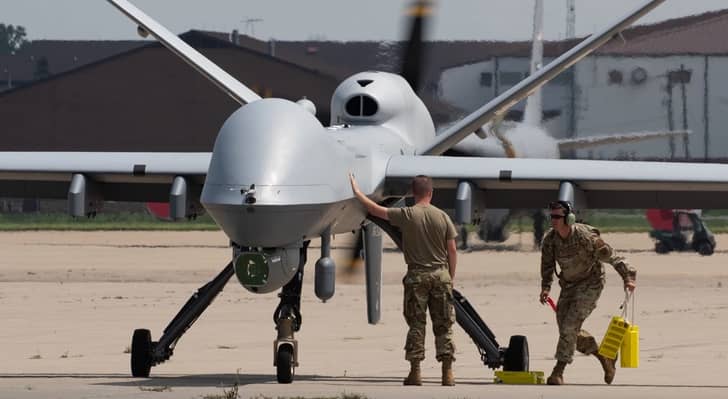
The US military has lost at least 45 MQ-9 Reaper drones in the ongoing war with Iran, equating to roughly 25 percent of its fleet, according to three US officials familiar with the matter, The Washington Post reported.
The aircraft, which cost between $30 million and $50 million each depending on sensors and weapons, have been heavily employed for surveillance and targeted strikes, particularly around the Strait of Hormuz.
The potential taxpayer cost of these losses alone exceeds $1.3 billion.
The Reapers, once central to counterterrorism operations in more permissive environments, have proven relatively easy targets for Iranian air defenses and those of its proxies.
The losses stem primarily from the US-‘Israeli’ campaign that began on February 28.
Earlier tallies, including a Congressional Research Service report, documented around 24 Reapers lost in the initial phase, with the figure rising as hostilities continued through periods of ceasefire and renewed strikes.
Many were shot down in flight by surface-to-air missiles; others were destroyed on the ground in Iranian attacks on regional bases.
Iran has publicly claimed multiple shootdowns, with some confirmed by US officials.
Air Force Chief of Staff Gen. Kenneth S. Wilsbach previously described the MQ-9 as “perhaps the most valuable player” of the campaign.
“No other platform is even close to the MQ-9” in the number of strikes conducted against Iran, he said, noting the value of operating without risking pilots.
Officials have emphasized that the drones fulfilled critical intelligence, surveillance, and reconnaissance orbits despite the attrition.
The fleet has been reduced to roughly 135 aircraft in some earlier assessments, well below the Air Force’s long-standing operational floor near 189 needed to sustain global requirements.
Production of the MQ-9A ended in 2025 after the service declined further orders, leaving limited options for rapid replacement.
General Atomics has parts for only a handful of additional airframes and is promoting its MQ-9B SkyGuardian variant.
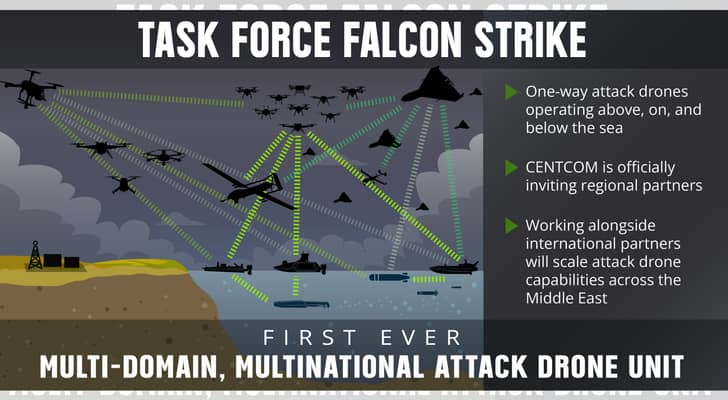
The heavy losses have accelerated Pentagon efforts to develop cheaper, more attritable hunter-killer drones that can be expended in high-threat environments without the financial impact of losing $30–50 million platforms.
Programs seeking massed, lower-cost unmanned systems reflect lessons from the conflict, where Reapers excelled in persistence but struggled against modern air defenses designed for contested airspace.