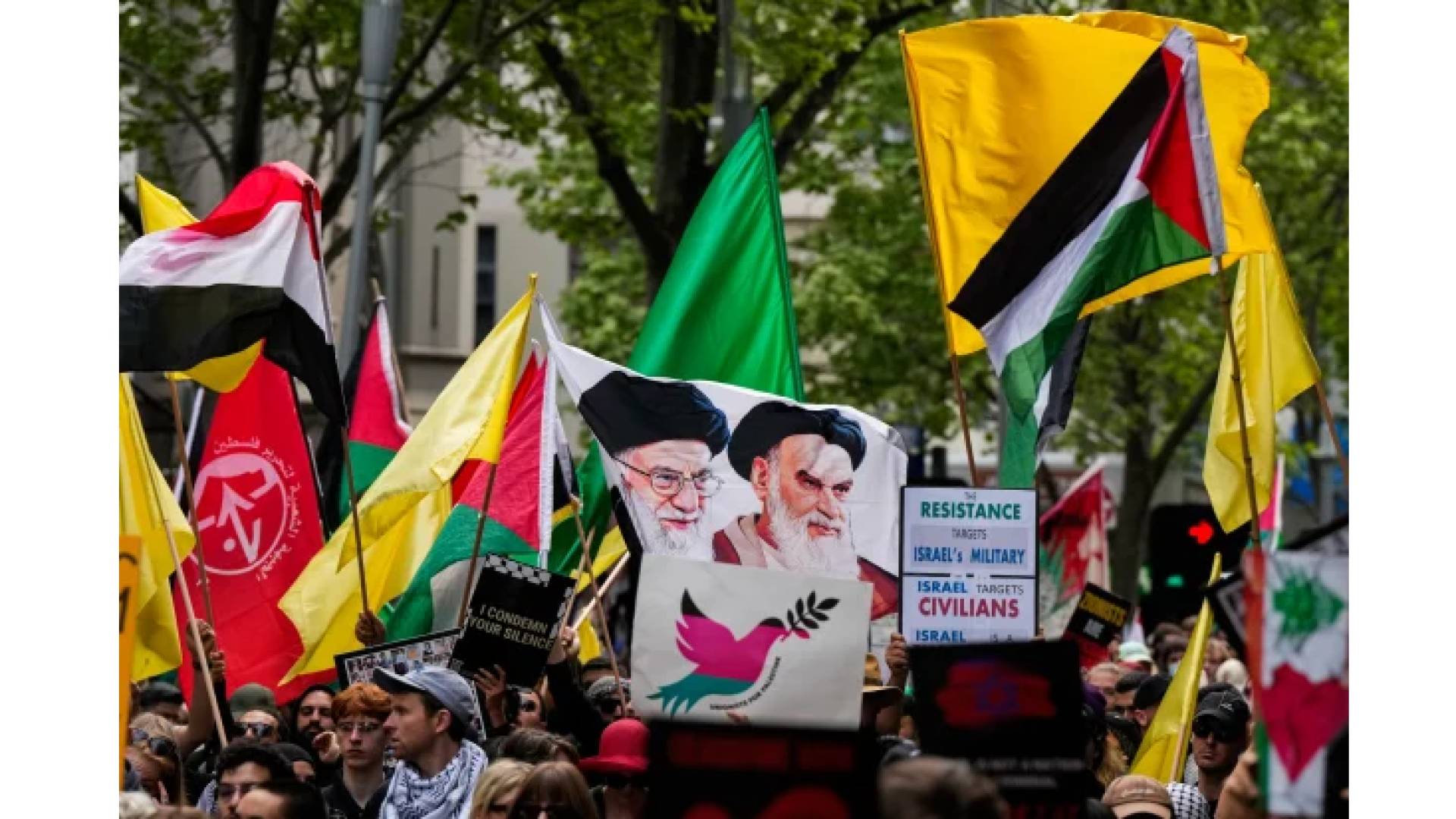
Australian state targets Hamas, Hezbollah flags after Bondi beach attack
Note: AI technology was used to generate this article’s audio.
- New South Wales proposes strict laws to ban extremist symbols, including Hamas and Hezbollah flags.
- Measures follow the deadly Bondi attack and rising political and diplomatic pressure.
The government of Australia’s New South Wales state announced plans to introduce new legislation banning the public display of Hamas and Hezbollah flags, in the aftermath of the deadly attack at Bondi Beach in Sydney.
New South Wales pushes tougher laws
Premier Chris Minns said his government will seek swift passage of expanded hate-speech laws that would prohibit symbols linked to Hamas, Lebanon’s Hezbollah, Daesh, and other imagery considered to incite hatred or intimidation. The New South Wales parliament is expected to convene on Monday to debate the proposed legislation.
Read more: Bondi Beach attack: Who were the gunmen?
State Attorney General Michael Daley said the display of such symbols amounts to intimidation. “Only someone who is mentally disturbed or intent on insult, fear, and harassment would display these symbols”, he told reporters in Sydney.
Fallout from the Bondi attack
The move comes after Prime Minister Anthony Albanese pledged to tighten penalties related to extremism and confront what he described as growing “hate, division, and radicalization” following the fatal shooting at Bondi Beach.
Australian police said seven people were arrested over what authorities described as adherence to an “Islamic extremist ideology”, Police officials said the suspects had been traveling from Melbourne toward Bondi before they were detained.
Albanese reassures Jewish community
Speaking on Saturday after attending a memorial service at a Sydney synagogue for victims of the attack, Albanese said the Jewish community in Australia possesses a resilience “that cannot be broken”.
Read more: Hero of Bondi Beach attack receives call from Syria's Foreign Minister
“Every Jewish Australian has the right to feel proud of their identity and beliefs, and to live in safety, dignity, and respect”, he said.
Albanese said the proposed laws would also target preachers and community leaders who incite hatred or violence. He added that the government plans to introduce a classification system for organizations led by individuals who promote hate speech, and to expand the powers of the home affairs minister to cancel or refuse visas for people spreading “hate and division”.
Terrorism investigation and security measures
Authorities are investigating the Bondi attack, which occurred last Sunday, as a terrorist act targeting Jews. Police patrols and security deployments have been intensified nationwide.
Police said the suspected attacker, Sajid Akram, 50 years old, was shot dead at the scene. His son, Naveed Akram, (24 years old), who was also wounded, faces 59 charges including murder and terrorism. Federal Police Commissioner Krissy Barrett said he remains hospitalized under guard.
Diplomatic pressure involving ‘Israel’
The Albanese government is also facing mounting political and diplomatic pressure following the attack, amid intensified debate over how Australia addresses antisemitism.
‘Israeli’ Prime Minister Benjamin Netanyahu, who is wanted by the International Criminal Court over war crimes in Gaza, accused Canberra of showing leniency toward antisemitism. He claimed Australia’s support for recognizing a Palestinian state had “poured fuel on the fire” and encouraged hostility toward Jewish Australians.
Relations between Australia and ‘Israel’ have been strained since August, when Tel Aviv revoked visas for Australian diplomats in the occupied Palestinian territories after Canberra moved toward recognizing the State of Palestine. Australian Foreign Minister Penny Wong described the move at the time as “unjustified”.