Not terrorism? Failed bomb at Australia “Invasion Day” rally sparks debate
Note: AI technology was used to generate this article’s audio.
- During an "Invasion Day" rally in Perth on Monday, a 46-year-old man was arrested after throwing an improvised incendiary device into a crowd of thousands; while the device failed to fully detonate, police confirmed it was capable of causing significant casualties.
- Following intense public outcry and allegations of a "double standard" in how the state labels violence against Indigenous people, a joint counter-terrorism team took over the case on Wednesday to investigate the attack as a "potential terrorist act" driven by ideological motives.
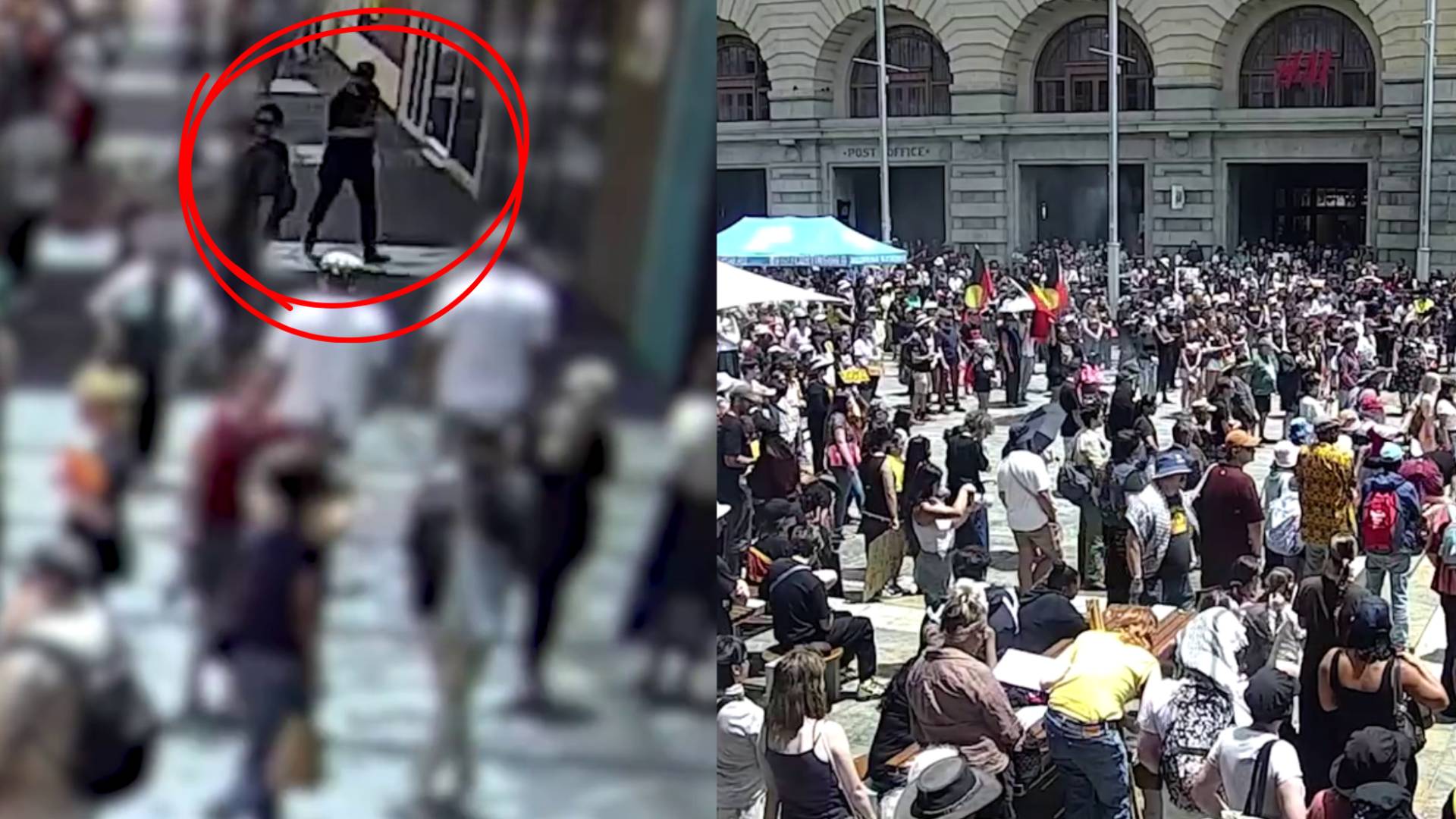
During an Invasion Day rally in Australia’s Perth on Monday, an improvised explosive device was thrown into a crowd of thousands protesting Australia's national day.
The device, described as a bottle containing a flammable liquid and attached to fireworks, emitted smoke but failed to detonate fully, averting potential injuries or fatalities.
The suspect, a 46-year-old man from Perth's southern suburbs, was arrested shortly after the incident.
He faces charges of intent to cause harm and possession of explosives under suspicious circumstances, but initially, no terrorism-related offenses were filed.
Video footage released by authorities shows the individual approaching the stage where an Elder was speaking before hurling the device. Police confirmed the item was capable of causing significant harm had it functioned as intended.
Indigenous leaders and rally organizers swiftly condemned the act, demanding it be classified as terrorism and a hate crime against First Nations people.
Fabian Yarran, a key organizer, emphasized the need for a full investigation into its ideological motivations, arguing that the attack aimed to intimidate protesters advocating for Indigenous rights.
Senator Lidia Thorpe highlighted systemic biases, stating that violence against Indigenous communities is often downplayed compared to similar incidents involving other groups.
Public and media scrutiny intensified over the reluctance to label the incident as terrorism from the outset.
Critics pointed to perceived double standards, noting that acts linked to Muslim perpetrators are frequently termed terrorism rapidly, while this case, potentially tied to far-right ideologies, faced delays.
Western Australia Police Commissioner explained that terrorism classification requires evidence of intent to advance a political, religious, or ideological cause through intimidation or coercion.
Initial assessments did not immediately meet this threshold, focusing instead on the device's suspicious possession and harmful intent.
However, by Wednesday, a joint counter-terrorism team had taken over, investigating the event as a "potential terrorist act" amid growing pressure.
Australia Day / Invasion Day
Australia Day, observed annually on January 26 as the nation's official holiday commemorating the 1788 arrival of the British First Fleet, is controversially referred to as "Invasion Day" by many Indigenous Australians.
This term reflects their perspective that the date symbolizes the onset of European colonization, dispossession, and cultural disruption for First Nations peoples—Aboriginal and Torres Strait Islander communities who are the original inhabitants of the continent.