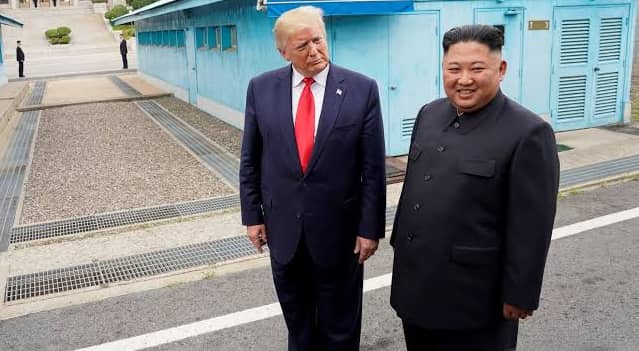
US President Donald Trump meets with North Korean leader Kim Jong Un at the demilitarized zone separating the two Koreas, in Panmunjom, South Korea, June 30, 2019. (REUTERS/Kevin Lamarque/File Photo)

Kim Jong Un highlights 'sovereignty' in foreign ties
Note: AI technology was used to generate this article’s audio.
- Kim personally accepted credentials from 10 new ambassadors, including Russia's, the first North Korean leader to do so in over 30 years
- Analysts say welcoming envoys while ignoring Washington signals a pivot toward multipolar diplomacy and closer Moscow ties
North Korean leader Kim Jong Un stated on Monday that Pyongyang will work to expand its foreign relations while safeguarding its sovereignty, just days after rebuffing US President Donald Trump’s push to hold a bilateral meeting.
According to the state-run Korean Central News Agency (KCNA), Kim delivered the remarks during a ceremony to accept credentials from 10 newly appointed ambassadors, including Russia’s envoy.
The appearance marked a rare departure from protocol, as the task has traditionally been carried out by a senior state official rather than the North Korean leader himself for more than three decades.
"Pyongyang's diplomatic goal is to expand and develop foreign relations under the ideals of independence, peace and friendship on the principle of defending the national sovereignty and security," Kim said, according to KCNA.
Trump departs Asia without Kim meeting
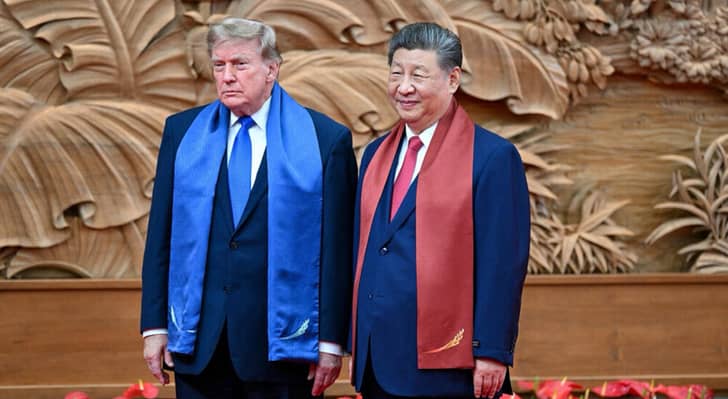
The ceremony followed unsuccessful efforts by Trump to arrange a meeting with Kim while attending the Asia-Pacific Economic Cooperation (APEC) summit in China last week.
Trump departed Asia on Thursday following a high-profile summit with the Chinese and Russian presidents, without meeting Kim despite having suggested he might.
Addressing the diplomats alongside Foreign Minister Choe Son Hui, Kim pointed to global instability without elaborating further.
"The world is now witnessing an unstable security crisis and political and economic chaos round the globe," Kim said.
"The present international situation is bringing about a significant change in our understanding of national sovereignty and security. The DPRK neither pursues supremacy nor expansion," he added, referring to North Korea’s official name, the Democratic People's Republic of Korea.
Pivot toward 'multipolar' diplomacy
Analysts noted that Kim’s personal participation in the ceremony -while brushing aside outreach from Washington- reflects a deliberate recalibration of Pyongyang’s foreign policy.
"By welcoming ambassadors while remaining unmoved by Trump's diplomatic overtures, the North has signalled a shift towards what could be described as 'multipolar sovereignty-based diplomacy,'" Lim Eul-chul, a professor at Kyungnam University's Institute for Far Eastern Studies, told AFP.
He added that the move signals Kim’s readiness "to actively shape the changing international order as the head of a sovereign state".
Previous summits between Kim and Trump during the US president’s first term failed to produce a concrete agreement to curb North Korea’s nuclear program.
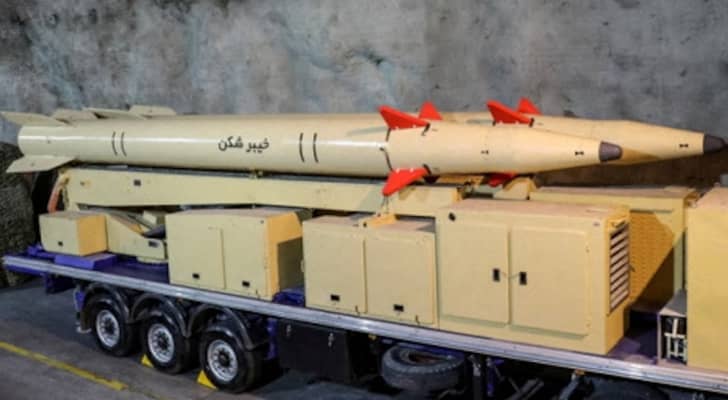
Despite years of United Nations sanctions, Pyongyang has continued advancing its nuclear capabilities, enshrining its status as a nuclear-armed state in law and declaring its arsenal irreversible, while simultaneously cementing ties with Moscow by deploying troops to support Russia’s war effort in Ukraine.