Iranian flight lands in China despite US sanctions
Note: AI technology was used to generate this article’s audio.
- US Treasury Secretary Scott Bessent warned that foreign entities offering landing services or fuel to Iranian aircraft would be "knocked out of the dollar system".
- The flight was confirmed via tracking platform FlightRadar24, though it was noticeably omitted from the official public flight schedule of Guangzhou Baiyun Airport.
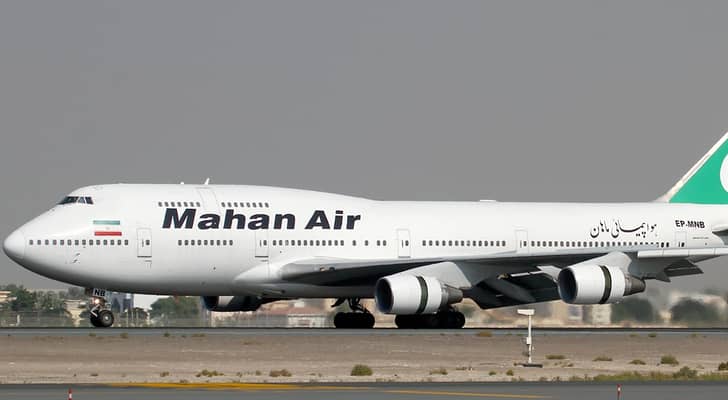
Iranian Mahan Air flight landed in southern China on Wednesday, according to flight tracking data, directly challenging a fresh ultimatum from Washington threatening to cut off any foreign entities servicing Iranian aircraft from the global US dollar system.
Data from FlightRadar24 showed the Mahan Air flight originating from Tehran touching down in Guangzhou.
However, the arrival was notably absent from the official public flight schedule of Guangzhou Baiyun International Airport, reflecting growing sensitivities over international enforcement.
The flight took place the same day an aggressive US secondary boycott deadline came into effect. US Treasury Secretary Scott Bessent warned earlier this week that Washington was preparing to systematically shut down global routes used by Iranian carriers.
"Even if they land, you cannot provide fuel, you cannot provide landing-related services, and you must not sell tickets," Bessent stated in a television interview, emphasizing that non-compliant airports and service providers face severe financial isolation.
"If you do so, you will be expelled from the dollar payment system."
Washington maintains that commercial carriers, including Mahan Air, are used by Tehran to transport military personnel, equipment, and resources across the region.
While several nations across Europe and the Middle East have moved to suspend Iranian flight routes in response to the US mandate, Beijing has rejected Washington's unilateral restrictions.
Chinese foreign ministry officials reiterated that trade and civil aviation cooperation between Beijing and Tehran remains lawful and legitimate under international standards, signalling that Chinese hubs will likely continue providing landing services despite the threat of US sanctions.