Report says hardliners defied orders to launch attack that sabotaged Iran-US deal
Note: AI technology was used to generate this article’s audio.
A group of Iranian hardliners carried out unauthorized attacks on commercial ships in the Strait of Hormuz in early July this year, derailing fragile peace efforts between Tehran and Washington, according to a New York Times report based on interviews with Iranian officials.
President Masoud Pezeshkian, who had been optimistic after negotiating a Memorandum of Understanding with the United States aimed at ending the war and easing economic pressures, learned of the strikes while attending funeral ceremonies for the late Supreme Leader Ayatollah Ali Khamenei.
Iranian forces had opened fire on three vessels, setting a Qatari LNG tanker ablaze and damaging others, sparking international condemnation.
Outraged, Pezeshkian phoned Gen. Ahmad Vahidi, commander of the Islamic Revolutionary Guard Corps, and demanded answers in a raised voice.
Vahidi replied that he had neither authorized nor known about the attacks in advance.
The Supreme National Security Council, central to both wartime decisions and negotiations, was also in the dark.
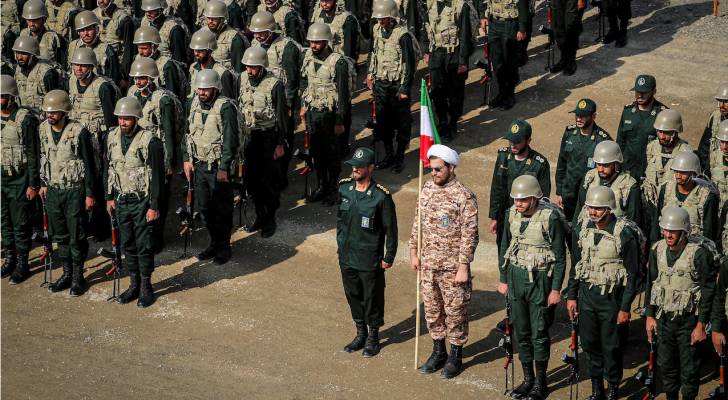
Investigations by Iranian authorities traced the decision to a fringe hard-line faction led by cleric Hossein Taeb, a former longtime head of IRGC intelligence who was recently appointed to lead the Basij militia.
Taeb had opposed the peace deal with the United States from the start.
Officials said field commanders acted under standing orders empowering them to strike vessels challenging Iran’s claimed control of the strait, without seeking higher approval.
The hard-liners exploited a leadership vacuum.
The new Supreme Leader, Ayatollah Mojtaba Khamenei, has not been seen in public since taking power after his father’s death in the war’s opening strikes, and the authenticity of statements attributed to him has been questioned even by Pezeshkian.
The attacks provoked a swift US military response and ultimately collapsed the Memorandum of Understanding.
“The attack on the ships was orchestrated with the goal to blow up the memorandum of understanding with Trump and to kill the prospects of any future negotiations and deal,” said Alireza Namvar Haghighi, an Iran expert and former official with close government contacts.
The episode triggered some of the most volatile disagreements among Iranian leaders in recent years, with several officials threatening to resign.