‘Israel’ stunned by Iran’s rapid military recovery: Hebrew media
Note: AI technology was used to generate this article’s audio.
‘Israeli’ officials from the military and Mossad have been shocked by the speed of Iran’s military recovery in the months following the early 2026 war, according to a report by The Jerusalem Post.
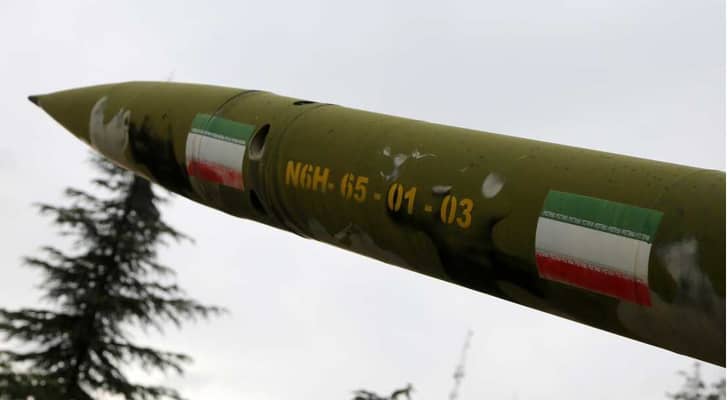
Four months after the main fighting ended in April, the ‘Israeli’ military is observing a rapid turnaround across multiple areas, most notably in the ballistic missile threat—something officials had not anticipated given the scale of destruction inflicted.
This marks the second time in two years that ‘Israeli’ assessments have been surprised by Tehran’s post-strike resilience.
After limited strikes in October 2024 and a larger campaign in June 2025 that hit around 100 missile and industrial targets, Iran quickly restored high-speed ballistic missile production.
Arsenal estimates rose from roughly 1,300 missiles in June 2025 to about 2,500 by February 2026.
Officials had believed the much larger 2026 campaign—during which more than 2,600 missile and industrial targets were struck and the US and ‘Israel’ conducted around 30,000 attacks—would set Iran back years.
‘Israeli’ officials previously told Hebrew media that “every large and small part of the military industry had been shattered to pieces.”
Yet top officials are now acknowledging that Iran has found innovative ways to prioritize rebuilding specific threats, including missiles, even while large parts of the country remain damaged.
A July Wall Street Journal analysis, citing Planet Labs and Airbus images, showed rapid excavation of buried tunnel entrances at missile bases in places such as Dezful and Kangavar, repaired access roads, and partial reconstruction at facilities like Raja Shimi Industries near Tehran that produce missile components.
Former ‘Israeli’ air defense chief Brig.-Gen. Ran Kochav noted: “They refilled their stockpiles… They have very impressive industrialization and reconstruction capabilities.”
He added that the pace was consistent with Iran’s recovery after the 2025 fighting.
Until recently, debate centered on whether Iran retained 500 or 1,000 long-range missiles capable of reaching ‘Israel’ after the war.
With production restarting, the more pressing issue is the rate of replenishment.
If Iran returns to manufacturing 100–300 missiles per month, it could restore its arsenal to mid-2025 levels by early or mid-2027 and potentially pose a more serious threat by 2028.
Even slower progress could bring the ballistic missile challenge back into play within a few years.