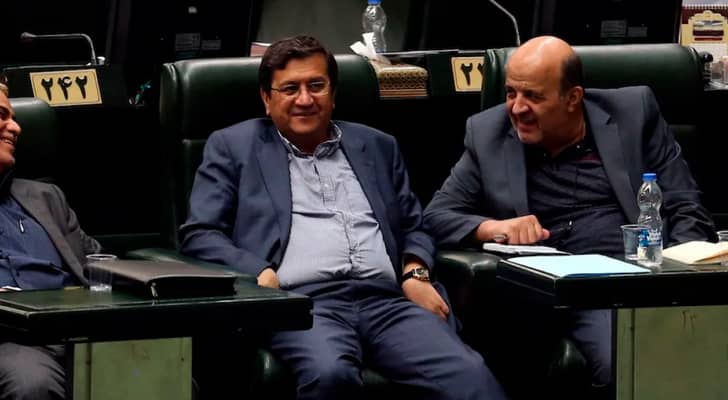
Governor of the Central Bank of Iran Abdolnaser Hemmati

Iran’s central bank rejects Trump’s claim on spending unfrozen assets
Note: AI technology was used to generate this article’s audio.
- Governor of the Central Bank of Iran says no agreement requires purchases of US agricultural products.
- Released funds may be used for any non-sanctioned goods worldwide.
- Iran says it would buy US products only if they offer the best price and quality.
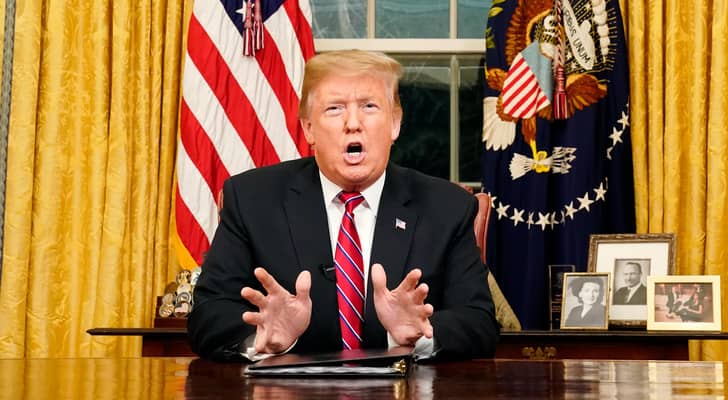
In an immediate counter-response to assertions made by U.S. President Donald Trump from the Oval Office, the Governor of the Central Bank of Iran has firmly denied that Tehran is legally or contractually obligated to spend its unfrozen financial assets on American farm commodities.
The central bank chief’s statement draws a distinct line between Washington's political narrative and the actual parameters of the newly signed financial agreements, signaling potential friction as the text moves toward implementation.
Responding directly to President Trump's claim that released funds would be strictly ring-fenced to "make American farmers richer," the Governor of the Central Bank of Iran clarified that the legal framework tells a very different story.
According to the top banking official, the finalized and signed documents concerning Iran's frozen assets do not bind or obligate the country to purchase agricultural products from the United States.
Tehran maintains that the sovereign right to allocate its capital remains entirely within the purview of the Central Bank, rejecting the notion of a Washington-mandated spending structure.
The Governor further explained that the operational parameters of the deal allow for far broader commercial flexibility than US officials have publicly indicated.
Specifically referencing the "second batch" of unfrozen assets, the Central Bank chief emphasized that these financial resources can be deployed to purchase any non-sanctioned goods and commodities on the global market.
Rather than being restricted to a specific corridor of US sellers, Iran intends to utilize the incoming liquidity to shore up its broader economic reserves from various international trading partners.
Despite pushing back against Trump’s unilateral mandates, the Central Bank Governor did not completely rule out commercial transactions with the American agricultural sector.
However, he emphasized that any such business would be driven strictly by market pragmatism rather than diplomatic compliance.
"If the prices and quality of American agricultural products are better, there is nothing preventing their purchase," the Governor stated.
By tying potential purchases to strictly competitive criteria -namely global pricing and product quality- Tehran has reframed the arrangement from a forced political concession into a standard, discretionary commercial option.
The stance sets up a diplomatic tug-of-war, as the Trump administration continues to pitch the unfreezing of assets as a guaranteed windfall for the American heartland.