Vance says US-Iran talks in Switzerland lay groundwork for final peace deal
Note: AI technology was used to generate this article’s audio.
- Vance upbeat on talks: US Vice President JD Vance said talks with Iranian officials in Switzerland laid a “very good foundation” for a final peace deal.
- 60-day roadmap agreed: The United States and Iran agreed to a roadmap toward a permanent agreement within 60 days, building on last week’s interim deal.
- Focus of technical talks: Further negotiations will cover Iran’s nuclear programme, sanctions and dispute resolution.
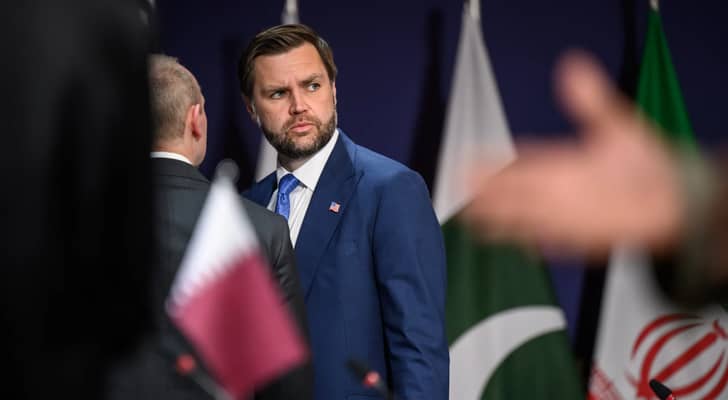
US Vice President JD Vance said on Monday that talks with Iranian officials in Switzerland had laid a “very good foundation” for a final peace deal, as Washington and Tehran agreed to a 60-day roadmap toward a permanent agreement despite tensions over the Strait of Hormuz and ongoing fighting in Lebanon.
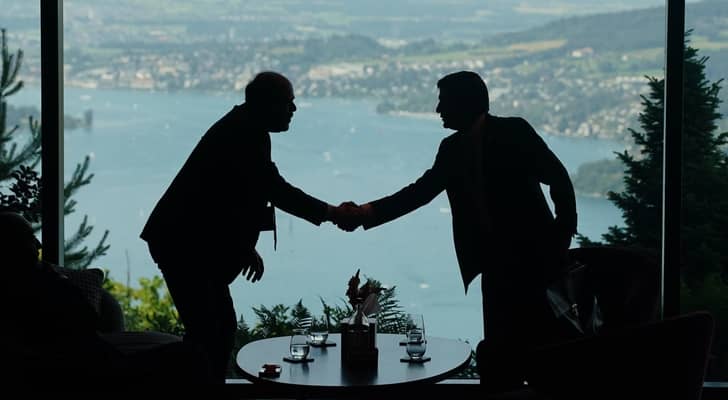
The talks, held in the Swiss mountain resort of Bürgenstock and mediated by Qatar and Pakistan, were aimed at building on an interim deal signed last week. In a joint statement, the mediators said the two sides had agreed to establish a “High Level Committee” with political oversight and a roadmap for reaching a final agreement within 60 days, paving the way for technical talks on Iran’s nuclear programme, sanctions and dispute resolution.
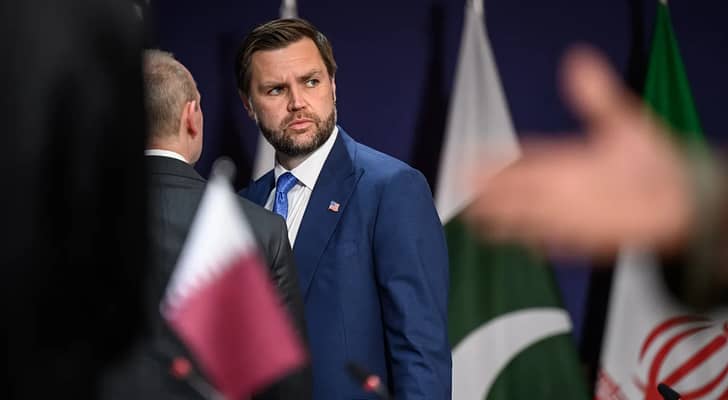
“We laid a very good foundation for a successful final deal,” Vance told reporters before departing Switzerland. “The final deal is the house. We set the foundation. We haven’t built the house, but we’ve laid a successful foundation to get to a good place for the American people.”
The negotiations also produced agreements on regional flashpoints. Mediators said Washington and Tehran had opened new communication lines to help ensure safe passage for commercial shipping through the Strait of Hormuz, a vital artery for global oil supplies, and had agreed on a mechanism to help end fighting in Lebanon between US ally 'Israel' and Hezbollah.
Vance said Iran had agreed to allow inspectors from the International Atomic Energy Agency back into the country, a potentially significant step after monitoring was disrupted by the conflict. Since the United States bombed Iranian nuclear facilities in June last year, Tehran had only allowed inspections at sites not hit in those strikes. The IAEA halted inspections altogether after US-'Israeli' strikes on Feb. 28 that triggered the latest war, and they have not resumed since.
The vice president sought to downplay tensions that flared over the weekend after US President Donald Trump threatened to restart the war if Iran again closed the Strait of Hormuz, accusing Washington of failing to halt the fighting in Lebanon.
“There was a little bit of threatening, there was a little bit of whining, but at the end of the day the talks continued and we made great progress,” Vance said. He added that Iran had threatened to walk out after Trump’s comments but defended the president’s response. “What we told the Iranians yesterday is when you guys engage in what us millennials might call ‘trash talk,’ you can’t expect the president of the United States not to respond and not to correct the record,” he said.
Iranian Foreign Minister Abbas Araqchi said on social media that Tehran had secured waivers for oil and petrochemical exports, the release of some frozen assets abroad and the launch of a reconstruction and development plan for Iran.
Vance said White House envoy Jared Kushner, Trump’s son-in-law, had proposed a mechanism under which the United States and Qatar would oversee Iranian funds once unfrozen, allowing the money to be used for purchases of US agricultural goods including corn, soybeans and wheat.
Following last week’s interim deal, the US Treasury Department issued a general license for Iran on Monday authorising the production, delivery and sale of Iranian-origin crude oil and petrochemical and petroleum products through Aug. 21.
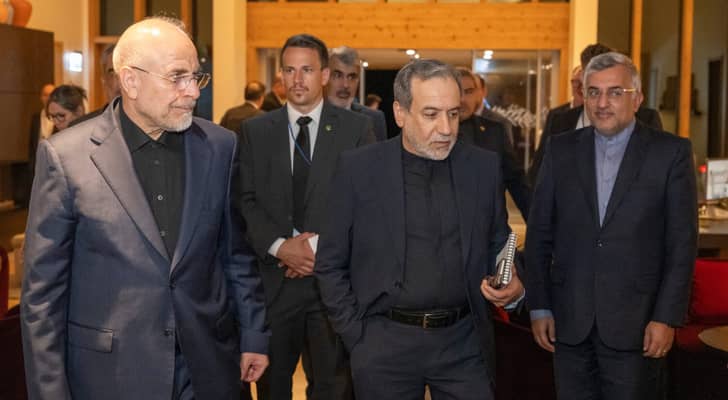
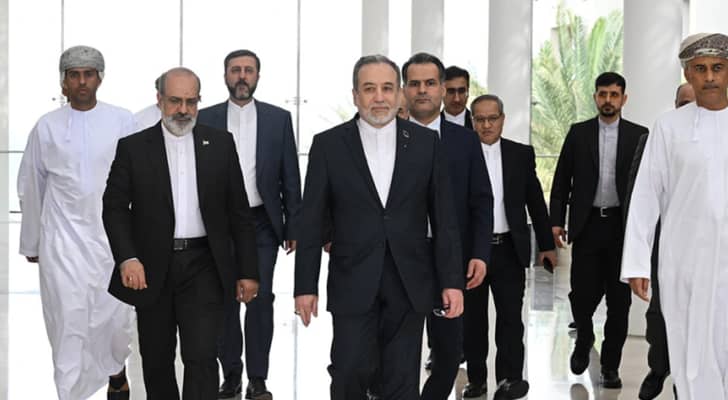
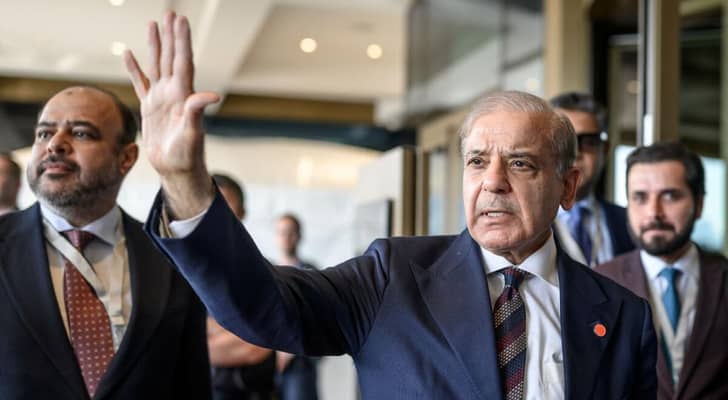
Iranian state-linked media said the main negotiating delegation, headed by Parliament Speaker Mohammad Bagher Ghalibaf, had left Switzerland after roughly 18 hours of talks and consultations, while technical discussions continued under Deputy Foreign Minister Kazem Gharibabadi.
One of the key outcomes of the talks was the establishment of a deconfliction line linked to Lebanon, according to the joint statement. Fighting in southern Lebanon between Hezbollah and 'Israel' has continued even as negotiations progressed in Switzerland. Vance said the United States had remained in “constant contact” with 'Israel' throughout the talks.
The Bürgenstock talks are intended to tackle some of the most contentious issues still unresolved between Washington and Tehran, including the future of Iran’s nuclear programme, sanctions relief and the terms of a durable ceasefire arrangement.