Pakistani PM stunned as Iranian delegation quits Switzerland talks
Note: AI technology was used to generate this article’s audio.
It was supposed to be the crowning achievement of months of quiet, backchannel diplomacy.
Instead, the opening minutes of the high-stakes Lake Lucerne Summit in Bürgenstock, Switzerland, delivered a stark reminder of how fragile the newly minted US–Iran peace track truly is.
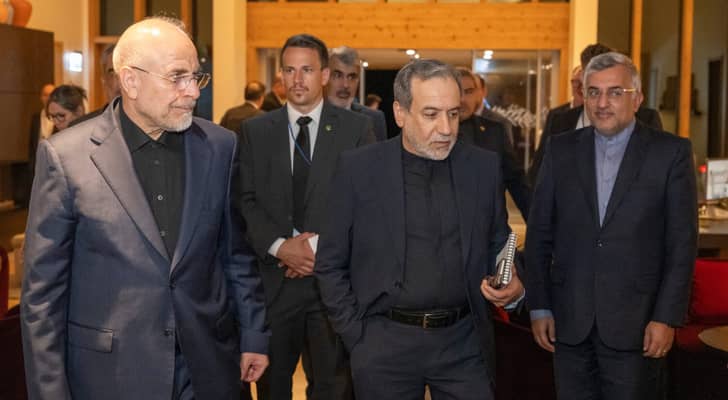
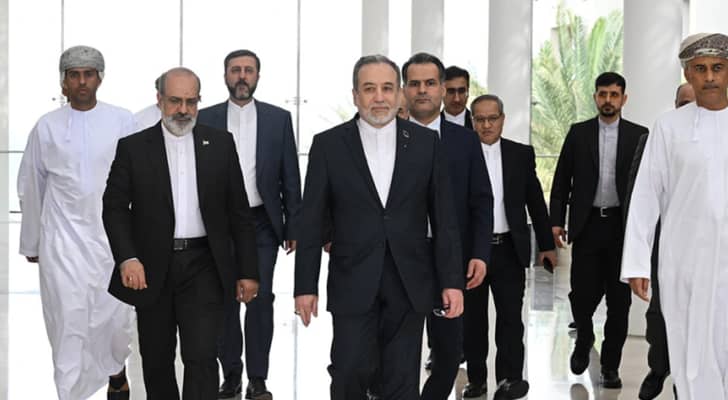
According to eyewitness accounts and visible cues inside the luxury resort, the carefully orchestrated diplomatic script designed by Pakistani and Qatari mediators fell apart the moment Iranian Foreign Minister Abbas Araghchi walked into the negotiation hall.
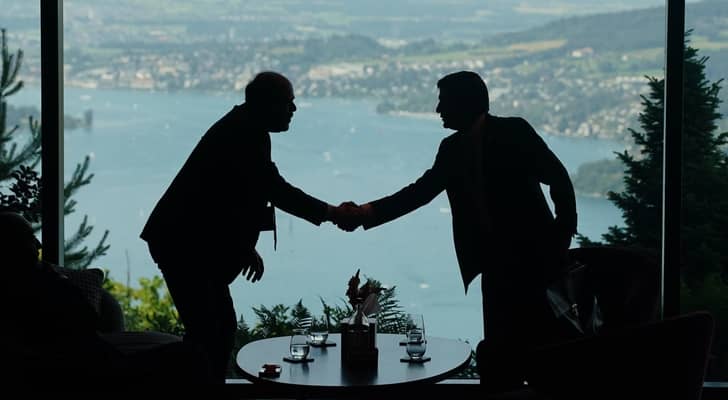
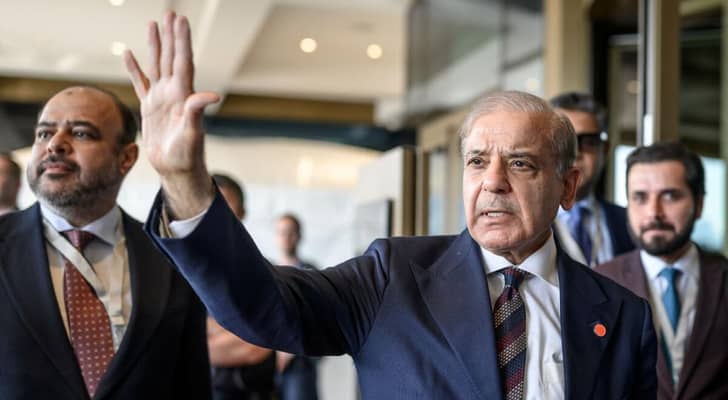
As the delegations gathered to implement the newly signed Islamabad Memorandum of Understanding, Pakistani Prime Minister Shehbaz Sharif went in for a warm, cordial embrace with Araghchi, clearly expecting the pre-arranged media schedule to play out smoothly.
However, Araghchi immediately made it clear that Iran was not interested in performing for the cameras or participating in superficial opening speeches.
The physical shift in the room was instantaneous.
Observers noted that the visible confidence drained from the Pakistani delegation.
Sharif and Army Chief Field Marshal Asim Munir -who had spent weeks assuring Washington that every logistical and political detail had been locked down- were suddenly left scrambling in public.
Interior Minister Mohsin Naqvi was quickly dispatched to chase down the Iranian foreign minister to figure out what had triggered the sudden pivot.
A tense, secondary briefing behind closed doors followed, leaving the hosting officials with faces that clearly betrayed the panic of a high-profile diplomatic initiative unraveling in real-time.
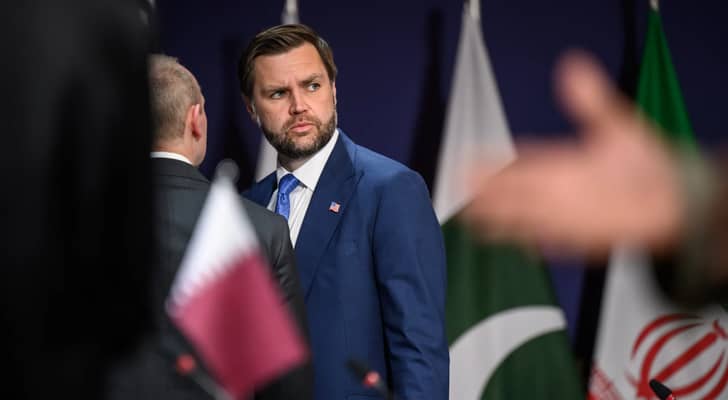
Standing quietly at the back of the room, observing the entire spectacle, was US Vice President JD Vance.
After the frantic sidebar negotiations concluded, Sharif and Munir walked over to Vance to brief him on the sudden change in Iranian posture.
By all accounts, the exchange was deeply apologetic on the part of the hosts.
Only after this quiet intervention were the delegates able to salvage the timeline and proceed with the delayed formal speeches.
The sudden friction underscores the massive pressure bearing down on the Swiss summit.
Pakistan and Qatar have invested enormous diplomatic capital to position themselves as the indispensable mediators capable of bringing Washington and Tehran to the same table.
They successfully secured the luxury venue, gathered the rival parties, and captured the initial symbolic visuals.
Yet, as Araghchi's abrupt pushback demonstrated, a single external variable -most notably a recent, hardline public threat from Donald Trump questioning the deal's parameters- can instantly disrupt months of meticulous planning, proving that the road to a final US,Iran treaty remains a geopolitical minefield.