How Hezbollah’s FPV drones broke 'Israel’s' high-tech shield
Note: AI technology was used to generate this article’s audio.
- Defensive failure: 'Israel’s' high-tech Trophy system cannot detect the low, slow flight of FPV drones, forcing the Israeli Occupation Forces to rely on crude metal "cope cages" to protect $6 million tanks.
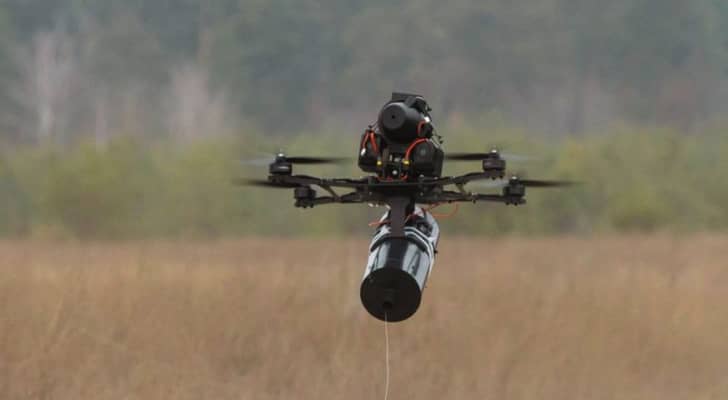
- Jamming immunity: Hezbollah is using fiber-optic cables to pilot drones, making them immune to electronic warfare and impossible to track via radio signals.
- Tactical paralysis: The threat of snipers keeps Israeli Occupation Forces soldiers trapped inside their armor; this protects them from ground fire but leaves them "blind" and defenseless against $300 overhead drone strikes.
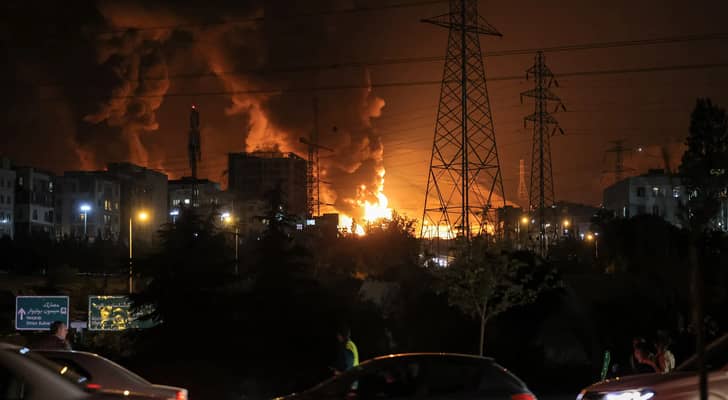
The invincible image of the 'Israeli' Merkava tank, a multi-million dollar marvel of modern engineering, is being dismantled by a weapon that costs less than a smartphone.
As the conflict in Southern Lebanon intensifies, the Israeli Occupation Forces find themselves trapped in a "low-tech nightmare" that has rendered decades of high-tech investment nearly obsolete.
The Failure of the "Iron Dome for Tanks"
For years, the Israeli Occupation Forces’ primary defense against anti-tank threats was the Trophy Active Protection System (APS). Designed to intercept fast-moving Rocket-Propelled Grenades (RPGs) and guided missiles, Trophy has proven remarkably effective in traditional combat. However, the emergence of First-Person View (FPV) drones has exposed a critical flaw in the system’s logic.
Because FPV drones often fly at lower speeds and extremely low altitudes, weaving through the rugged Lebanese terrain, the Trophy’s sensors frequently fail to categorize them as incoming projectiles. This technical blind spot has forced the Israeli Occupation Forces to abandon high-tech elegance for a desperate, "Mad Max" style solution: the "Cope Cage."
Steel Nets and Technical Frustration
Walking through 'Israeli' staging areas, the "ultimate symbol of technical frustration" is visible on nearly every armored vehicle. Soldiers are welding crude metal cages and fishing nets over turrets and engine decks. These passive defenses are designed to catch or prematurely detonate the drone's shaped charge before it can touch the tank's hull.
While these nets provide a modicum of physical protection, they represent a psychological defeat, a visible admission that 'Israel’s' "superpower" intelligence and precision systems are currently defenseless against $300 drones.
The Infantry Dilemma
The threat has created a tactical paradox for 'Israeli' commanders known as the "Infantry Dilemma." * The Vulnerability: To effectively counter FPV drones, soldiers need to be outside their vehicles, using shotguns or optical sights to spot and shoot down the small craft.
- The Threat: the terrain in South Lebanon is saturated with Hezbollah snipers and sophisticated IEDs.
Risk-averse commanders, fearing high casualty rates from guerrilla ambushes, have opted to keep soldiers sealed inside their heavily armored shells. While this protects them from small arms fire, it leaves them "blind" to the drones circling above, effectively turning their million-dollar tanks into sitting ducks for Hezbollah’s "low-tech" operators.
A New Battlefield Reality
The math of this attrition is brutal. As Hezbollah fighters remain hidden in fortified positions up to 10 kilometers away, they use fiber-optic tethered drones that are immune to electronic jamming.
By targeting medivac helicopters and command vehicles, Hezbollah isn't just seeking to destroy hardware; they are targeting the morale of an "already drained" military.
As long as the Israeli Occupation Forces remain huddled inside armor that can be defeated by a $50 DIY drone, the tactical advantage in Southern Lebanon continues to shift toward the asymmetric ingenuity of the resistance.