China directly blames US, ‘Israel’ for Hormuz disruption
Note: AI technology was used to generate this article’s audio.
- China says US, ‘Israel’ strikes on Iran caused prolonged Strait of Hormuz shutdown
- Trump urges oil-dependent nations to secure passage themselves
China has directly blamed the United States and ‘Israel’ for the ongoing disruption in the Strait of Hormuz, describing their military strikes on Iran as the “root cause” of a near-total halt in maritime traffic through the critical waterway.
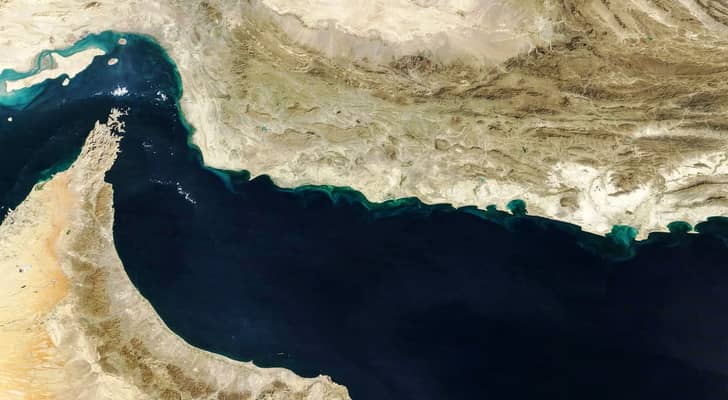
The strait, a narrow passage connecting the Persian Gulf to global shipping lanes, has seen severely reduced activity for nearly a month. It carries roughly one-fifth of the world’s oil supply, making the slowdown a major concern for global energy markets.
Beijing points to “illegal operations”
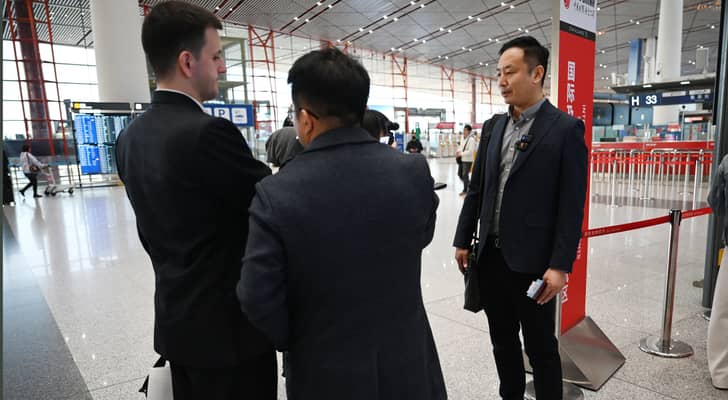
In remarks to reporters, Chinese Foreign Ministry spokesperson Mao Ning said the crisis stems from what she described as unlawful military actions.
“The root cause of interruptions to navigation through the Strait of Hormuz is the United States and ‘Israel’s illegal military operations against Iran,” Mao said.
Her comments reflect Beijing’s increasingly direct criticism of Washington’s role in the escalating regional tensions, as well as its alignment with Tehran’s position on recent attacks.
Trump shifts responsibility
In a national address, US President Donald Trump signaled that countries reliant on oil shipments through the strait should take responsibility for maintaining its security.
“Countries that receive oil through that route must take care of that passage,” Trump said, without outlining specific measures.
The statement marks a shift in tone, suggesting Washington expects allies and partners to play a larger role in safeguarding one of the world’s most strategic maritime corridors.
Global impact grows
The slowdown in traffic through the Strait of Hormuz has already begun to strain global supply chains and raise concerns over energy prices. Analysts warn that a prolonged disruption could trigger broader economic instability, particularly for import-dependent economies in Asia and Europe.
With tensions still high and no clear resolution in sight, the risk of further escalation in the region remains significant.