'Israel' to ban dozens of aid agencies in Gaza starting in 2026
Note: AI technology was used to generate this article’s audio.
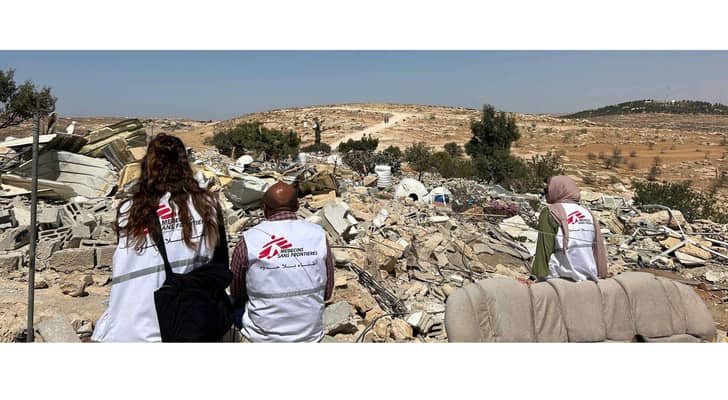
'Israel' on Tuesday announced the suspension of more than two dozen humanitarian organizations, including Doctors Without Borders (MSF) and CARE, from operating in the Gaza Strip.
Reason for Suspension
'Israel' said the affected organizations, failed to comply with new registration rules aimed at preventing Hamas from infiltrating humanitarian aid operations. The rules require organizations to register their staff, funding sources, and operational details.
The Ministry of Diaspora Affairs stated that more than 30 groups, or about 15% of the organizations working in Gaza, had failed to meet the requirements. The ministry singled out Doctors Without Borders, claiming some staff members were allegedly affiliated with Hamas or Islamic Jihad.
“The message is clear: humanitarian assistance is welcome, the exploitation of humanitarian frameworks for terrorism is not,” said Diaspora Affairs Minister Amichai Chikli.
Response from Aid Organizations
Doctors Without Borders (MSF) strongly condemned 'Israel’s' decision, warning of catastrophic impacts on healthcare in Gaza, where the organization supports around 20% of hospital beds and one-third of births.
“MSF would never knowingly employ people engaging in military activity,” the group said.
Shaina Low, communications adviser for the Norwegian Refugee Council, described the decision as devastating, coming less than three months into a fragile ceasefire. She emphasized the strain on exhausted local staff, noting that blocked international staff cannot deliver essential aid.
Some aid organizations cited security and data protection concerns, explaining that providing detailed staff lists could put their Palestinian employees at risk.
Impact on Operations
'Israel’s' suspension will result in the closure of offices in 'Israel' and occupied East Jerusalem, and affected organizations will no longer be able to send aid or personnel into Gaza. Organizations can appeal the decision, but licenses will officially be revoked on January 1, with international staff needing to leave by March 1.
COGAT, the 'Israeli' defense body overseeing humanitarian aid, claim that the affected groups contribute less than 1% of total aid into Gaza, and operations by more than 20 approved organizations will continue.
Previous Crackdowns and Controversy
'Israel' has previously accused international aid groups, including UNRWA, of being infiltrated by Hamas and exploiting aid deliveries. UNRWA denies these allegations, asserting that it purges suspected militants quickly and operates under humanitarian principles.
'Israel' banned UNRWA from operating on its territory in January 2025 after criticism from Prime Minister Netanyahu and his allies, while the U.S. halted funding to the agency earlier in 2024.
Concerns Over Data Use
Aid organizations have raised concerns about how 'Israel' might use the collected staff data, warning it could compromise security and violate humanitarian principles of neutrality and independence.
Athena Rayburn, executive director of AIDA, an umbrella organization for NGOs in Palestinian territories, said that alternative proposals, such as third-party vetting, were rejected by 'Israeli' authorities.
Continued Violence in Gaza
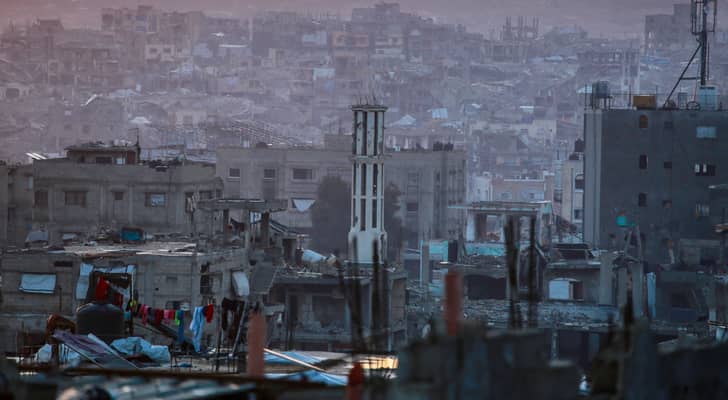
Amid the humanitarian crisis, violence persists. A 10-year-old girl was killed and another person wounded by 'Israeli' fire near the Yellow Line in Gaza City, according to Shifa Hospital.
The Gaza Health Ministry reports 71,266 Palestinians killed in Gaza since the war began, though 'Israel' disputes these figures. The United Nations considers the Health Ministry’s data the most reliable source for casualties.