'Let them rape'? Poll shows most 'Israelis' oppose investigating soldiers for abuse
Note: AI technology was used to generate this article’s audio.
• 84 percent of the Jewish public views the army as very moral.
• 60.6 percent oppose investigating soldiers accused of abusing Palestinian detainees.
A wave of public anger in 'Israel' following the arrests of several soldiers on suspicion of sexually abusing Palestinian detainees has exposed a deep divide between the country's declared military ethics and its societal attitudes.
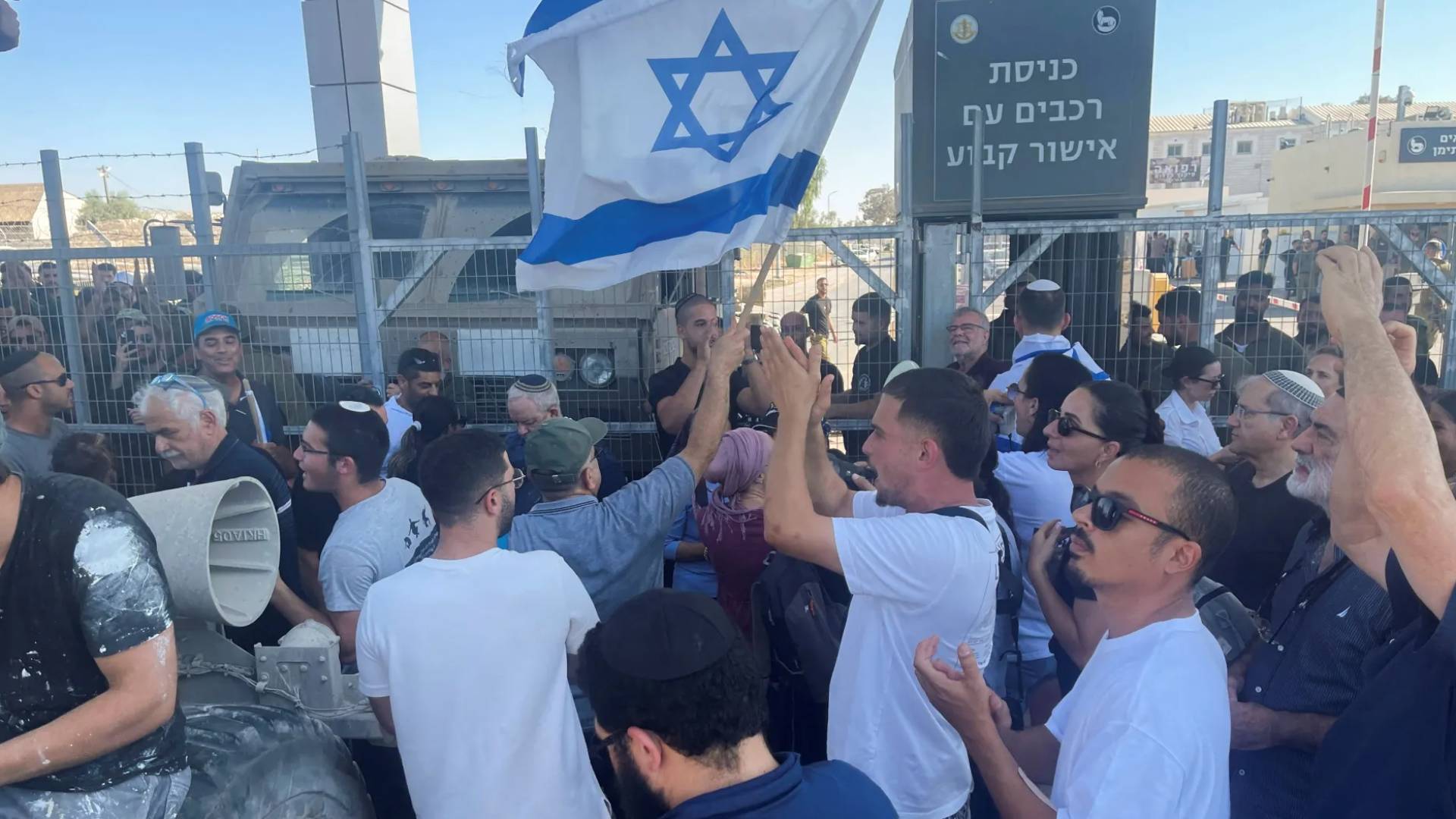
Protests, which included the storming of military bases by supporters and high-profile politicians demanding the soldiers' release, have drawn renewed attention to the issue of accountability within the "moral Israeli army."
New data from the 'Israel' Democracy Institute (IDI) provides a clearer understanding of this divide. The findings show a broad moral consensus that often shields soldiers from consequences, even when they face allegations of serious crimes.
Read more: 'Israeli' soldiers who executed surrendered Palestinians released, returned to duty
Strong Public Trust Creates a Barrier to Accountability
The survey shows that 84 percent of the Jewish public believes the 'Israeli' army behaves morally in combat. At the same time, 60.6 percent oppose investigating soldiers accused of abusing Palestinian detainees. This combination creates what researchers describe as a built-in protective shield around soldiers.
When a soldier is accused of wrongdoing (or even documented raping someone) many members of the public view the allegations as politically motivated rather than as potential criminal offenses. This was evident in the response to the Sde Teiman case, where right-wing politicians, including National Security Minister Itamar Ben-Gvir and Finance Minister Bezalel Smotrich, quickly defended the accused. One lawmaker suggested that if the detainee was considered a terrorist, then 'harsh' treatment was legitimate.
Public Resistance Weakens the Military Justice System
The survey also highlights the impact of public sentiment on the military justice corps. With most respondents rejecting investigations, investigators face heavy pressure to close cases or reduce charges. Only 45.5 percent believe the army’s own investigative processes are reliable. This allows many people to dismiss any findings of guilt as politically influenced.
These attitudes contribute to a pattern where even severe allegations rarely lead to meaningful accountability. Critics argue that the system is shaped not only by political leaders but by a broad public consensus that prioritizes protecting the army’s reputation.
Broader Attitudes Show Erosion of Legal Norms
The IDI report also reflects wider views on the use of force against Palestinians. A majority of 62.5 percent agree that a suspected terrorist should be killed even if they no longer pose a threat, and 53.8 percent support using a Palestinian civilian to inspect a dangerous area to avoid risking soldiers' lives, in other words, using them as human shields.
Rights groups say such views violate international humanitarian law and contribute to the normalization of abuse.
Read more: 'Israeli' author hit with rape, death threats after standing up for Gaza
A System Reinforced by Public Consensus
The convergence of strong public trust, political defense of accused soldiers, and resistance to investigations has created a climate where impunity is common.
As a result, soldiers suspected of grave abuses are often protected not only by political leaders but by a wider public consensus that sees accountability as a threat to national unity rather than a requirement of justice.