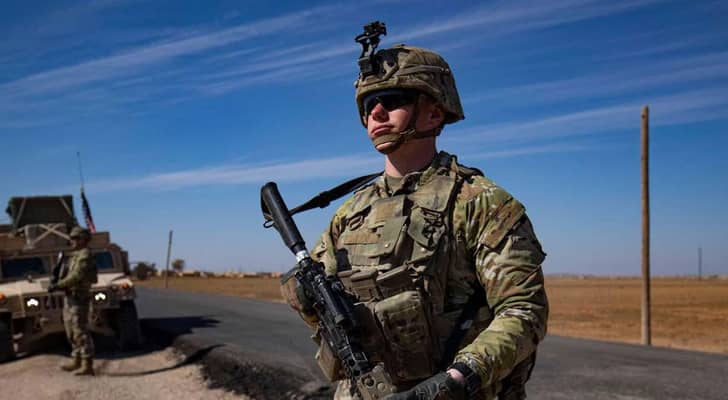
United States Army soldier

US weighs sending troops back to Syria to train soldiers in demining: Reuters
Note: AI technology was used to generate this article’s audio.
- The proposal faces legal vetting requirements under US Leahy Laws and reluctance among some Syrian defense officials over granting American troops access to local facilities.
The United States is discussing plans to train Syrian soldiers in demining and explosive ordnance disposal, in what would mark the first US training mission with Syria’s military since the overthrow of government in Damascus in Dec. 2024, according to an exclusive report by Reuters citing five people familiar with the proposal.
If approved, the multinational mission could see a small number of US troops return to Syria as early as Mar. 2027, roughly a year after Washington withdrew its final forces from the country in April 2026 following a decade-long campaign against Daesh.
The four of the sources cited in the Reuters report said that the initial program would focus on demining and the safe disposal of unexploded ordnance, potentially serving as a foundation for broader security cooperation.
The framework under consideration would also involve personnel from around 15 US allies.
One option under review involves conducting training, potentially incorporating the Syrian National Mine Action Centre (SNMAC) to facilitate coordination.
US officials are also examining whether approximately $200 million in remaining funds from Operation Inherent Resolve could finance the initiative, according to two of the sources.
The discussions follow a Nov. 12 meeting in Damascus between Syrian Defense Minister Murhaf Abu Qasra and Operation Inherent Resolve commander Rear Admiral Liam Hulin, which covered the proposed multinational coordination mechanism, demining training, and border security assistance, according to Syrian state media and a Syrian military source.
Despite steady diplomatic rapprochement since the ouster of former President Bashar al-Assad in Dec. 2024, including the US lifting broad economic sanctions in Dec. 2025, removing Syria's state sponsor of terrorism designation in Aug. 2026, and easing defense export restrictions in October, significant obstacles remain on both sides.
In Washington, the Leahy Laws prohibit US military assistance to foreign security units credibly implicated in gross human rights violations, requiring US officials to vet prospective Syrian participants amid concerns over the backgrounds of some commanders and documented abuses by forces linked to the new authorities.
Meanwhile, some officials within Syria’s Defense Ministry remain hesitant to grant US military personnel access to Syrian institutions and facilities.