NATO backs Estonia after arson attack linked to Russian intelligence
Note: AI technology was used to generate this article’s audio.
- Mark Rutte affirmed full support for Estonia, declaring that Russian hybrid operations will not weaken Western backing for Ukraine.
- NATO and Baltic leadership urged calm, noting that while hybrid threats persist, intelligence shows no signs of an imminent large-scale military escalation.
- Moscow rejected the findings, characterizing Estonia's statements as unfounded.
NATO backed Estonia on Tuesday after Tallinn attributed an August arson attack on defense manufacturer Milrem Robotics to Russian intelligence, affirming that allied unity and support for Ukraine remain unshaken despite Moscow’s expanding campaign of covert sabotage.
Estonia became the latest NATO member to directly accuse Moscow of state-sponsored disruption after Prime Minister Kristen Michal, the Foreign Ministry, and the Internal Security Service (KAPO) concluded that the August 15 incident was “a deliberate and pre-planned act” ordered by Russian special services.
The attack occurred during the night of August 14–15, when a fire broke out at a Milrem Robotics facility in Tallinn's Lasnamäe district.
Emergency services quickly brought the fire under control. No one was injured.
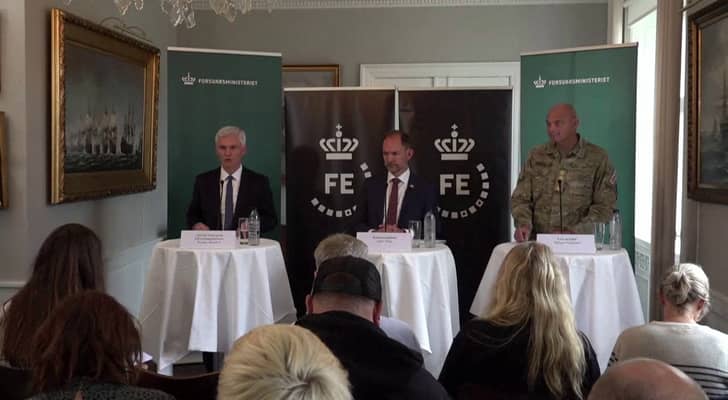
Following a six-week investigation, KAPO revealed that three Latvian nationals were arrested in mid-August and extradited to Estonia in September, where they remain in custody.
Tallinn has since summoned Russia’s chargé d'affaires in protest.
Speaking alongside Lithuanian Prime Minister Mindaugas Sinkevicius in Brussels, NATO Secretary-General Mark Rutte offered firm backing to Estonia while calling for a calm, measured response across European capitals.
"Russia continues its reckless campaign of hostile actions against NATO allies. It is trying to weaken our resolve and stop our support for Ukraine," Rutte told reporters.
"But Russia is failing. It is failing on the battlefield in Ukraine, and it is failing to undermine our unity and support for Ukraine."
Rutte acknowledged that while Russian hybrid operations "can have an impact and sometimes they have an impact, clearly," member states must remain steadfast.
Lithuanian Prime Minister Sinkevicius echoed the call for composure, emphasizing that while intelligence services recognize ongoing risks, there is no evidence Moscow is preparing an imminent, large-scale escalation.
"It's a must to say if a threat is there for society, but you can't exaggerate and say something is happening in the upcoming months or weeks," Sinkevicius said, adding that overall threat levels remain steady and "not increasing or decreasing."
The Kremlin rejected the allegations, with spokesman Dmitry Peskov dismissing Estonia's investigative findings as "baseless" and "ill-considered," maintaining that Moscow would not take the claims seriously.