Putin says parliamentary election turnout shows support for army in Ukraine
Note: AI technology was used to generate this article’s audio.
- The pro-Kremlin United Russia party won over 57% of the vote, granting it 355 out of 450 seats (~80%) in the State Duma (lower house) and preserving its supermajority.
- The election unfolded with most anti-war candidates barred from running, while anti-war activists and rights groups warn that the conclusion of the vote could precede new military recruitment measures or draft drives.
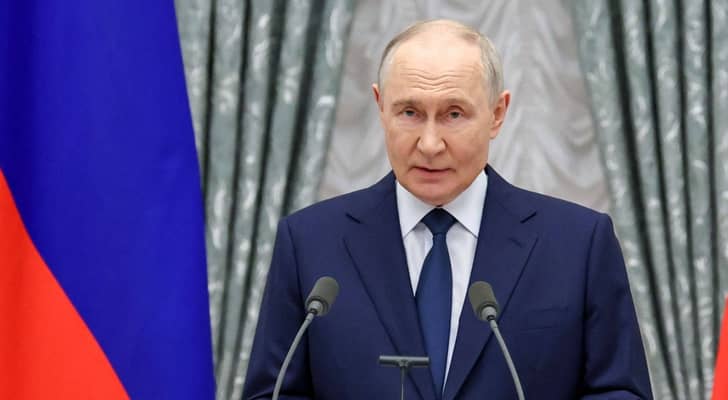
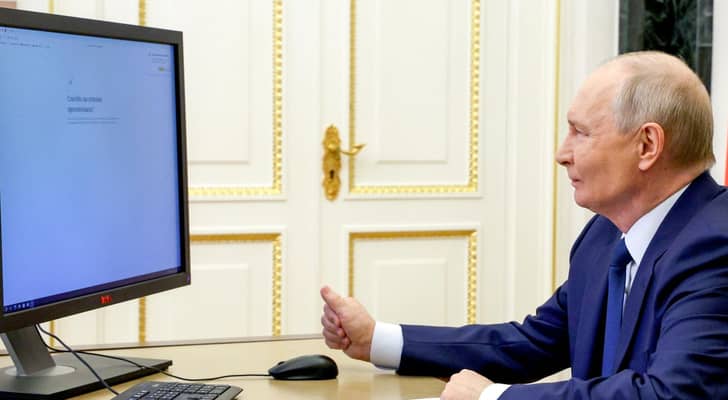
Russian President Vladimir Putin praised the results of the country’s recent parliamentary elections during a televised address on Wednesday.
He states that record turnout demonstrates widespread public backing for national security initiatives and the military campaign in Ukraine.
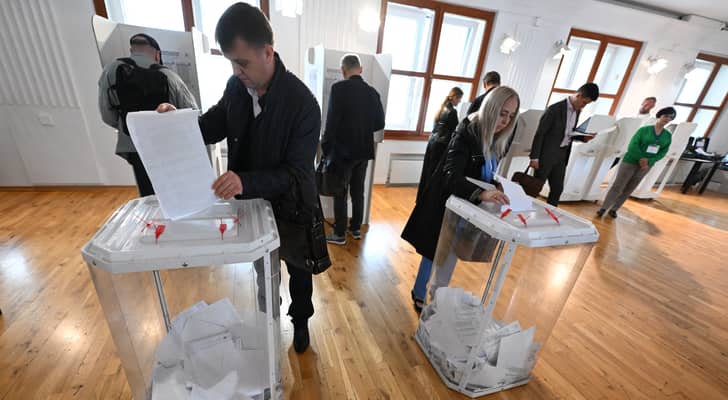
The vote, conducted from September 18 to 20, served as a key referendum on Russia's military campaign, which has now extended into its fifth year.
Near-complete election figures confirm that the ruling United Russia party, the ruling party since 2001, has secured a dominant position, retaining its supermajority in the lower house of parliament.
Speaking publicly about the outcome for the first time, Putin interpreted the increased voter participation as a sign of national unity and agreement with the Kremlin’s core objectives.
"Such a high, even record, number of people who came out and voted shows that the people of Russia support our efforts aimed at strengthening the country," Putin said.
Directing a portion of his speech toward soldiers in the conflict zone, Putin explicitly linked the democratic process to battlefield performance: "This vote is for you. People believe in you, believe in our victory, believe in your courage, in your heroism."
The vote unfolded within a heavily regulated political landscape.
Independent observers and international critics noted that most political candidates who openly opposed the conflict in Ukraine were systematically barred from running.
While Kremlin leadership frames the election results as proof of popular backing, human rights activists and opposition networks point to severe restrictions on public dissent and state oversight of the process.