US, China agree to $30 billion tariff cut
Note: AI technology was used to generate this article’s audio.
- China and the United States agreed to establish a dedicated bilateral dialogue on artificial intelligence risks and benefits, scheduled for November, along with a direct communication channel for AI-related incidents.
- Both sides supported each other's hosting of upcoming APEC and G20 summits, reaffirmed that Iran must not develop nuclear weapons, and agreed that no entity should impose transit tolls on international shipping routes.
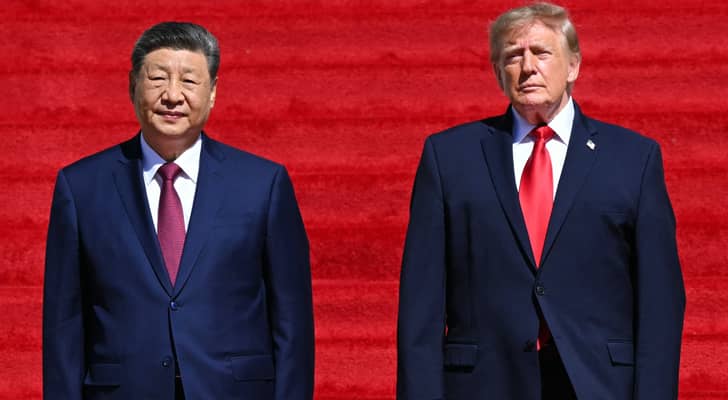
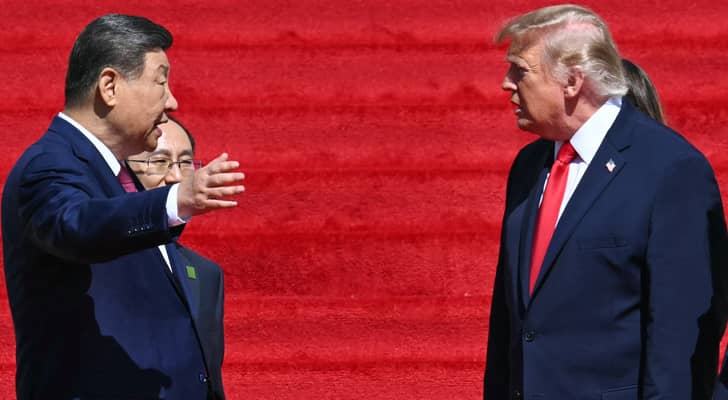
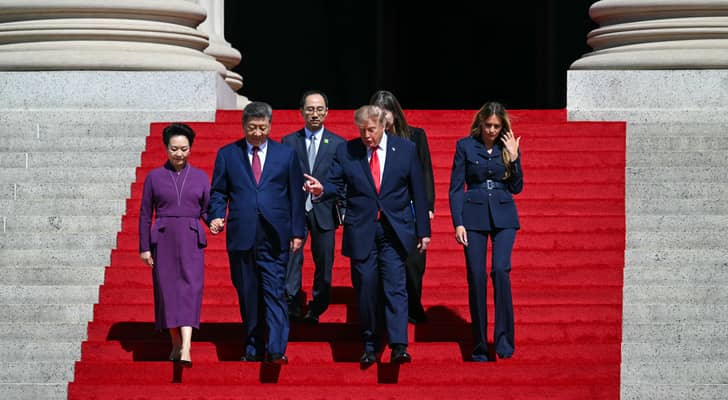
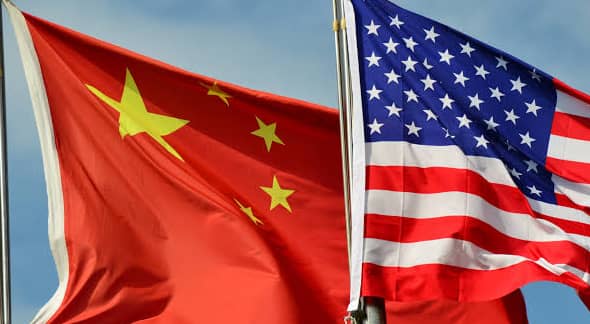
China and the United States reached an eight-point consensus following Chinese President Xi Jinping’s three-day diplomatic visit to the US highlighted by a $30 billion reciprocal tariff-reduction agreement and formal talks on artificial intelligence, according to China’s Ministry of Foreign Affairs.
The consensus reflects months of negotiation between economic teams and builds upon earlier foundational talks in Kuala Lumpur.
As part of the economic framework, Washington and Beijing operationalized their bilateral trade council alongside an agreement on more favorable tariff treatment for $30 billion of non-sensitive goods in each direction.
The arrangement aligns with broader efforts to stabilize bilateral commerce following a declaration by US Treasury Secretary Scott Bessent, who confirmed that the two nations extended their temporary trade truce by two months past its original November 10 expiration date to negotiate a broader long-term agreement.
Beyond trade, both powers agreed to launch formal dialogues addressing the risks and governance of artificial intelligence.
The initial round of talks is scheduled for November. Additionally, both governments agreed to establish a real-time communication channel to address potential AI-related incidents and technical miscalculations.
Foreign Policy and Multilateral Cooperation
The agreement outlined several international security and diplomatic positions:
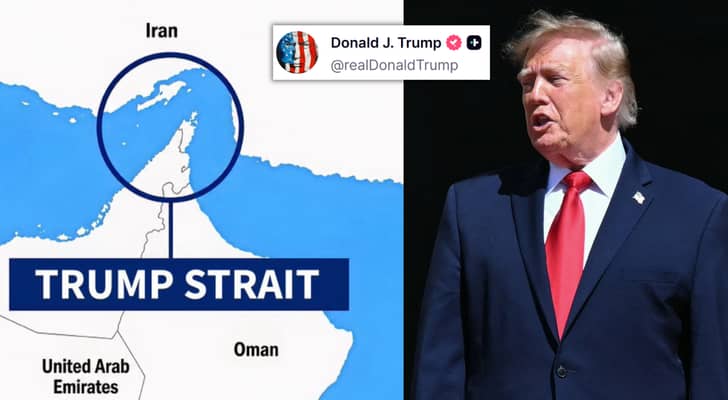
- Both nations declared that no country or entity should impose transit tolls on international shipping lanes.
- Beijing and Washington agreed that Iran must uphold its commitments not to develop nuclear weapons.
- Both leaders pledged support for each other's upcoming hosting of the Asia-Pacific Economic Cooperation (APEC) and G20 summits, with both heads of state indicating plans to attend.
With the trade truce extended through early 2027, the initial $30 billion tariff cuts and new trade council mark a refresh in economic relations. Both teams are expected to resume broader negotiations ahead of November's AI talks and upcoming multilateral summits.