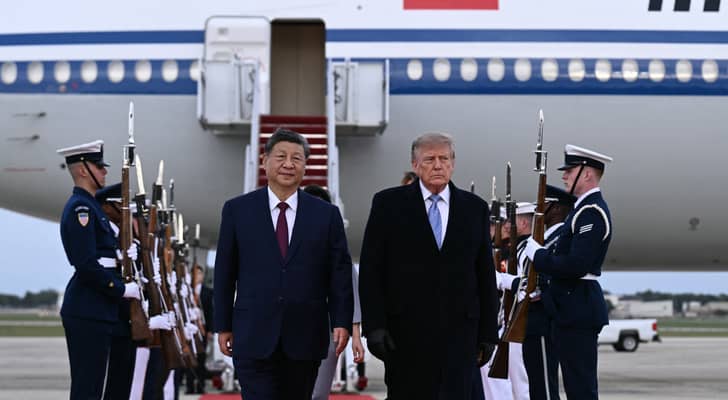
US President Donald Trump greets Chinese President Xi Jinping upon arrival at Joint Base Andrews in Maryland on September 23, 2026. Photo by BRENDAN SMIALOWSKI / AFP

Xi arrives in US to Trump’s personal airport welcome
Note: AI technology was used to generate this article’s audio.
- US Treasury Secretary Scott Bessent announced that the bilateral economic truce has been extended from November 10 to January 10.
- Agenda items include trade, artificial intelligence risks, and allegations of Chinese intelligence support to Iran.
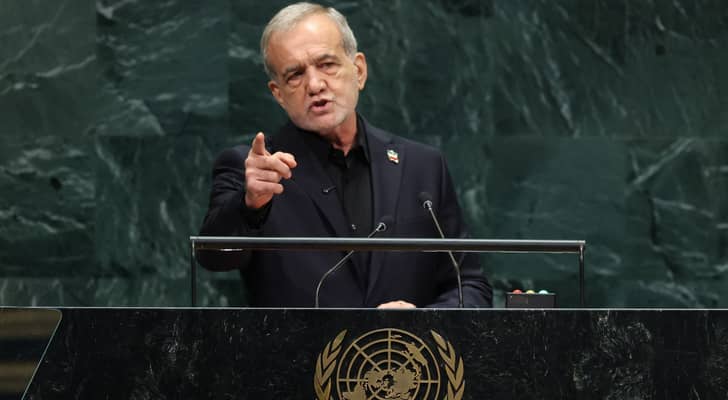
US President Donald Trump greeted Chinese President Xi Jinping on the tarmac at Joint Base Andrews on Wednesday, initiating a pomp-filled three-day state visit designed to stabilize diplomatic and economic relations between the two global powers.
US President Trump and First Lady Melania Trump shook hands with President Xi and his wife, Peng Liyuan, upon their descent from the aircraft.
Standing side by side, the two leaders observed national anthems played by a military band alongside a lined array of six F-22 and six F-16 fighter jets.
During the tarmac reception, a loud flyover by two B-1 bombers caused Trump to grimace, while Xi remained impassive.
The personal greeting at the airfield represents an exceptional gesture in American diplomacy, a courtesy Trump was denied during his visit to Beijing in May.
Outside of papal visits, previous airport welcomes by US presidents at Andrews include John F. Kennedy receiving British Prime Minister Harold Macmillan in 1962 and Dwight D. Eisenhower greeting Soviet leader Nikita Khrushchev in 1959.
Trade truce extended
The state visit occurs against the backdrop of critical bilateral disputes, prominently including the rapidly advancing race for artificial intelligence supremacy and trade tariffs.
Following preliminary discussions between U.S. Treasury Secretary Scott Bessent and Chinese Vice Premier He Lifeng, Bessent announced Wednesday that the ongoing economic truce between the two nations has been extended beyond its original November 10 deadline to January 10.
While tech CEOs have raised warnings regarding existential risks posed by AI, analysts project low odds for a formal regulatory agreement between Washington and Beijing.
Preliminary talks on Sunday focused instead on establishing dedicated communication channels for AI-related concerns.
Xi’s delegation includes top advisors Cai Qi and Foreign Minister Wang Yi.
Notably, no Chinese CEOs accompanied the delegation, contrasting with the scheduled attendance of prominent American tech and AI executives at Thursday's White House state banquet.
Domestic pushback
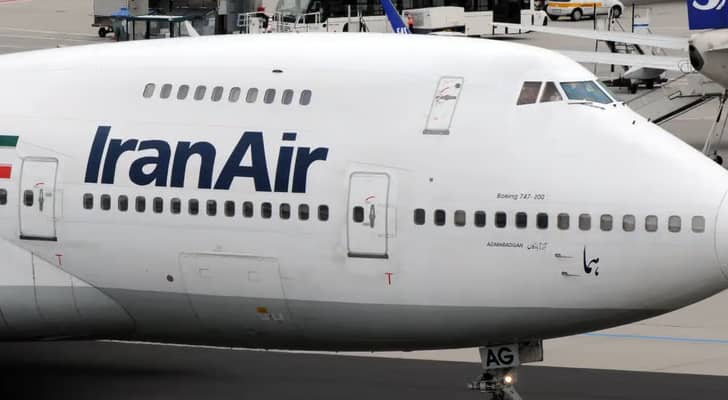
The lavish reception for the Chinese leader has drawn sharp criticism from hawkish Republican lawmakers, particularly following intelligence reports suggesting Beijing provided targeting information to Iran for attacks against US troops.
"Our commander-in-chief should keep in mind that his guest is a brutal, unelected and oppressive dictator," stated Sen. Roger Wicker (R-MS), chairman of the Senate Armed Services Committee.
US President Trump has played down calls to press Xi on the Iran intelligence allegations, arguing that both Washington and Beijing engage in mutual surveillance.
For Trump, the state visit offers a temporary focus on international pageantry amid domestic headwinds, as rising fuel prices driven by the ongoing war with Iran have dragged his approval ratings to historic lows ahead of the November midterm elections.
The state visit is scheduled to conclude Friday morning following a joint tea at the White House and a visit to the National Archives to view the US Declaration of Independence.