Trump expected to defend Iran war in UN General Assembly address
Note: AI technology was used to generate this article’s audio.
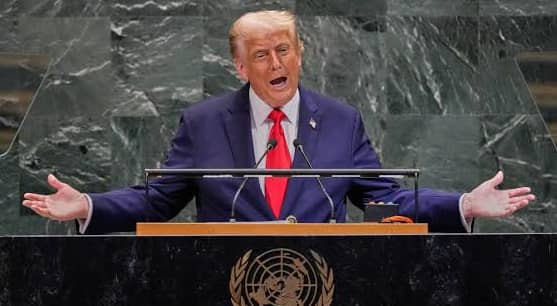
US President Donald Trump is set to address delegates from more than 190 nations at the United Nations General Assembly today, where he is expected to mount a strong defense of ongoing military operations against Iran and highlight his administration's global strategy.
The annual gathering of world leaders comes at a delicate moment for the administration, as rising energy prices and the prolonged conflict in Iran weigh heavily on domestic political debates ahead of the upcoming midterm elections.
Despite domestic and international skepticism, White House officials signaled that Trump will argue that global security has been strengthened under his leadership.
"We expect the president will highlight how he and his administration have confronted complex problems head-on around the world," said Ambassador Mike Waltz, Trump’s chief envoy to the UN.
Following his address, Trump is scheduled to hold a series of high-level diplomatic meetings on the sidelines of the summit.
Among his official engagements are bilateral talks with newly elected British Prime Minister Andy Burnham and Japanese Prime Minister Sanae Takaichi.
Trump is also expected to conduct an informal meeting with Venezuela's acting President Delcy Rodríguez.
A central focus of Trump's afternoon schedule will be a multilateral meeting with leaders and senior officials from the Gulf Cooperation Council (GCC), representing Bahrain, Kuwait, Oman, Qatar, Saudi Arabia, and the United Arab Emirates.
The talks will center on military coordination regarding the war in Iran, as well as joint security efforts to counter recent escalation by Iran-backed rebels targeting infrastructure in Saudi Arabia.
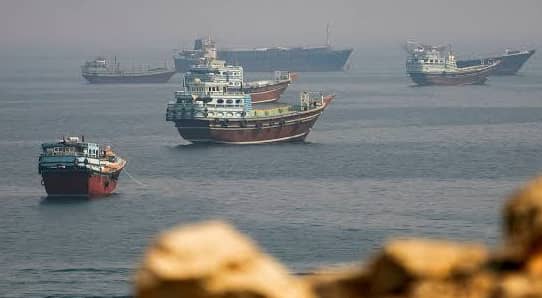
While administration officials maintain that military pressure remains necessary to address regional threats, political observers note that the war's economic fallout, particularly disruptions to shipping lanes in the Strait of Hormuz, continues to be a major point of discussion among visiting foreign delegations.