US says 1 billion barrels of crude passed through Hormuz in recent months
Note: AI technology was used to generate this article’s audio.
- CENTCOM says more than one billion barrels of crude have passed through the Strait of Hormuz in recent months
- CENTCOM chief Brad Cooper says US forces have supported more than 2,000 commercial ship transits
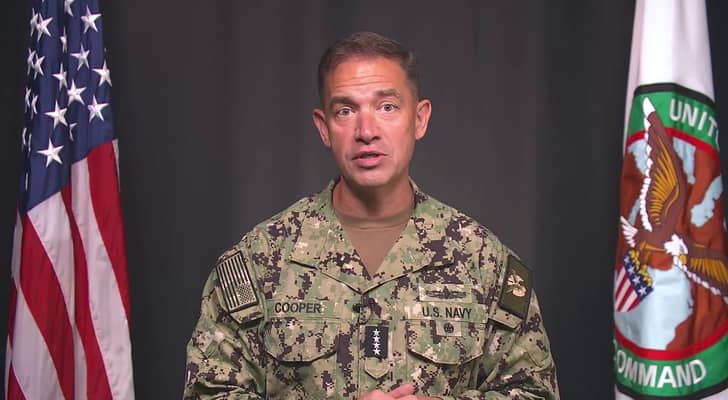
More than one billion barrels of crude oil have passed through the Strait of Hormuz in recent months with support from US Central Command forces, CENTCOM chief Adm. Brad Cooper said Saturday.
Cooper added that US forces had also provided coordinated protection for more than 2,000 commercial ship transits through the strategic waterway.
Update from CENTCOM Commander: pic.twitter.com/PTX6n9fn56
— U.S. Central Command (@CENTCOM) September 19, 2026
US says shipping activity is rising
"The volume of crude oil, cargo, and liquefied natural gas these past two weeks is higher than at any point in the past six months," Cooper said in a video statement.
He added that the primary shipping lanes through the strait were clear of mines and that thousands of vessels had passed through the waterway.
Cooper also said Iran had exported "zero barrels" of oil, attributing this to what he called a US "ironclad blockade."
“The effort is paying off. The volume of crude oil, cargo, and liquefied natural gas these past two weeks is higher than at any point in the past six months,” Cooper added.
The figures are part of Washington's broader effort to demonstrate that commercial shipping through the Strait of Hormuz is recovering despite continued military tensions with Iran.
Hormuz remains a key energy route
The Strait of Hormuz connects the Persian Gulf with the Gulf of Oman and the Arabian Sea.
The International Energy Agency says about 20 million barrels per day of crude and oil products passed through the strait in 2025, representing roughly 25% of global seaborne oil trade.
Independent shipping data has indicated that traffic remains below pre-war levels.