‘Israel’ displacement orders deepen risks for women in Lebanon
Note: AI technology was used to generate this article’s audio.
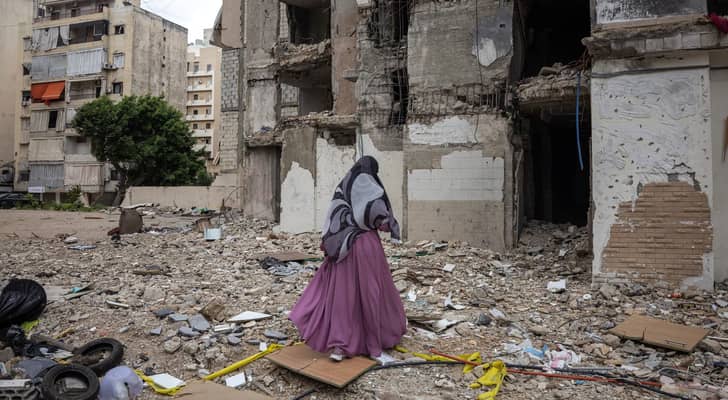
'Israel’s' renewed displacement orders in Lebanon are deepening the humanitarian toll of the conflict, with women and girls facing heightened risks, including displacement, violence and limited access to healthcare.
Despite the ceasefire agreement brokered in April 2026, 'Israel' has renewed displacement orders in parts of Lebanon, according to United Nations officials and rights experts.
The UN Human Rights Office estimates that 62,000 women and girls have been displaced, including 16,000 pregnant women. Many have reportedly been forced to give birth in crowded and unsafe conditions, without adequate access to maternity care.
The destruction of medical facilities, the closure of maternity services and attacks affecting healthcare workers have further restricted access to essential medical services, leaving thousands without adequate reproductive and maternal healthcare.
The UN Special Rapporteur on violence against women and girls warned that forced displacement has increased women’s exposure to violence and abuse, while damage to healthcare infrastructure has deprived many of essential reproductive and maternal health services.
Concerns have also been raised over public statements by senior ‘Israeli’ officials regarding Lebanese women and children.
On June 9, ‘Israeli’ National Security Minister Itamar Ben Gvir proposed detaining Lebanese women and young people as leverage against Hezbollah, according to reports.
UN experts have described 'Israel’s' actions in Lebanon as a “war of aggression,” warning that such conduct violates international humanitarian law.
The continued displacement of civilians, combined with damage to healthcare infrastructure, has raised growing concerns over the disproportionate impact of the conflict on women and girls, particularly pregnant women and those requiring urgent medical care.