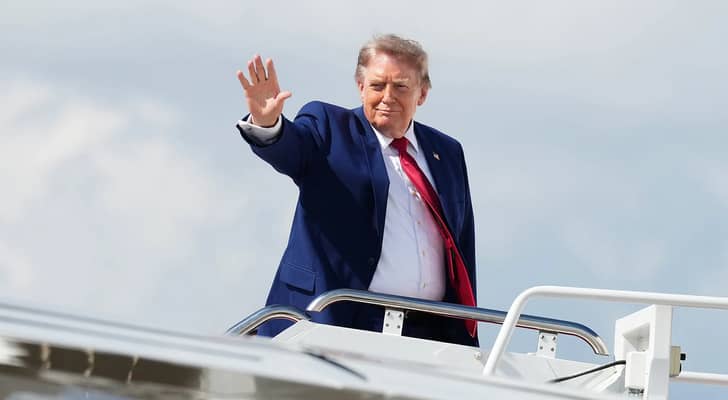
US President Donald Trump boards Air Force One on Friday en route to a weekend at his golf club in Bedminster, New Jersey. (Photo by Eric Lee/Getty Images)

Trump tells Axios: "We are low keying it" with Iran
Note: AI technology was used to generate this article’s audio.
- Trump shifts toward economic pressure on Iran.
- Hormuz reopening talks stall over Tehran's demands.
- US reports internal divisions within Iran's leadership.
- Iran demands sanctions relief and war compensation.
- Oil shipments continue through southern Hormuz lane.
US President Donald Trump indicated on Sunday that he is prepared to allow mounting economic pressure to take its toll on Iran rather than initiating a new military offensive, despite Tehran's continued defiance of Washington.
The stance marks a notable shift from just a week prior, when Trump was on the verge of ordering a return to major combat operations.
However, in an interview with Axios, the president abstained from issuing fresh military threats or expressing frustration over delays in announcing a deal to reopen the strategic Strait of Hormuz.
"We are low keying it," Trump said during a brief phone interview. "We are only semi-negotiating with them. We are just watching Iran with its huge inflation and the fact they have no money."
Trump emphasized that the Iranian regime is in dire financial straits and unable to pay its troops, a crisis exacerbated by the US naval blockade.
With global oil prices holding at slightly over $75 a barrel, Trump noted that American consumers are insulated from severe economic impacts.
"It will work out. It always works out. It's like a chess game," Trump added regarding the back-and-forth dynamics with Tehran.
Hormuz negotiations stall
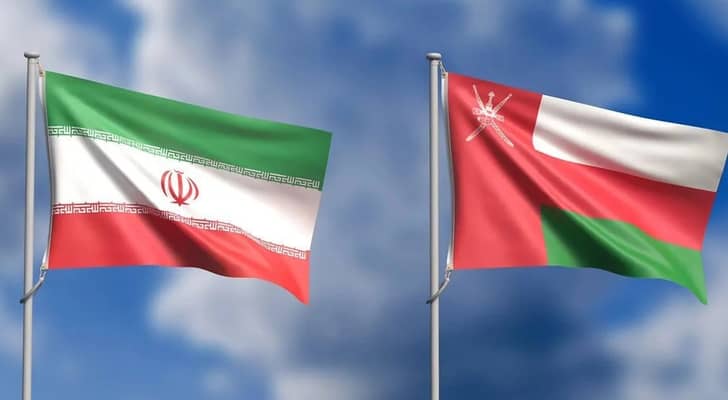
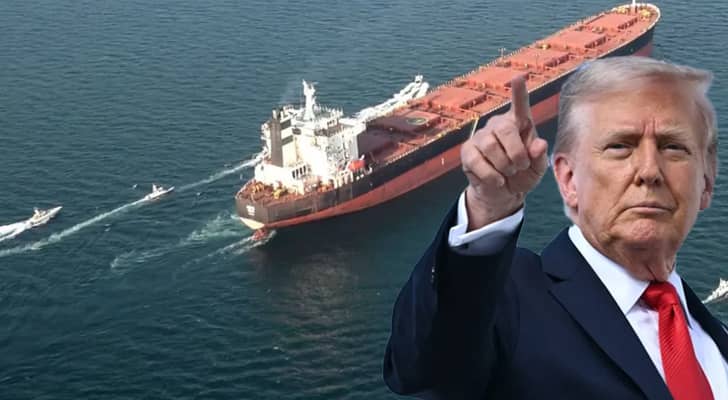
An agreement governing transit through the Strait of Hormuz -negotiated among Iran, Oman, and the US- had been pending for several days.
Under the draft terms, Iran would be granted partial control over maritime traffic in the waterway, a status it did not possess prior to the conflict.
While Qatari and Pakistani mediators expressed confidence that an official announcement would take place, prospects faded after Tehran issued a new list of demands.
According to US officials, internal rifts within the Iranian leadership have contributed to the delays.
A moderate faction led by Iran's President Masoud Pezeshkian is reportedly concerned about an impending economic collapse and favors reaching a compromise.
Conversely, a hardline faction led by Islamic Revolutionary Guard Corps (IRGC) Commander Ahmad Vahidi firmly rejects making concessions.
Tehran elevates conditions for reopening
On Saturday, Mohammad Bagher Zolghadr, head of Iran's Supreme National Security Council, outlined severe preconditions for opening the Strait, adding to those previously negotiated in the Oman agreement:
- Never threat or insult Iran in any language.
- Permanently end the war against Iran and its allies in Lebanon, Gaza, Yemen, and Iraq.
- Lift the naval blockade and withdraw military forces from Iran's surroundings.
- Provide full compensation for war damages, lift all sanctions, and release all frozen Iranian assets.
These demands, previously framed as prerequisites for a comprehensive nuclear agreement, are now being presented by Tehran simply to restore shipping through the Strait. A regional diplomat noted that Zolghadr's public statement reflects intense political infighting inside the Iranian regime.
De-escalation strategy
Behind the scenes, US officials revealed that Trump was leaning toward escalating major combat operations a week ago before being persuaded to de-escalate.
Advisers argued that active fighting allowed the Iranian regime to rally and evade accountability for economic distress and infrastructure destruction.
Without active military conflict, the regime is forced to confront a grim internal economic reality with few available remedies.
Simultaneously, approximately 8 million barrels of oil continue to exit the Gulf each night via the southern shipping lane of the Strait of Hormuz under coordination with the US military, with efforts underway to maximize exports while a formal deal remains unfinalized.
"This thing is not over. It's obviously not at the beginning. We're in the middle of the game, and we're applying a whole host of tools -diplomatic, economic, military tools- to ensure that we get the best outcome for the American people," Vice President Vance told Fox News on Saturday.