British TV host threatens lawsuit after being dropped for supporting Palestine
Note: AI technology was used to generate this article’s audio.
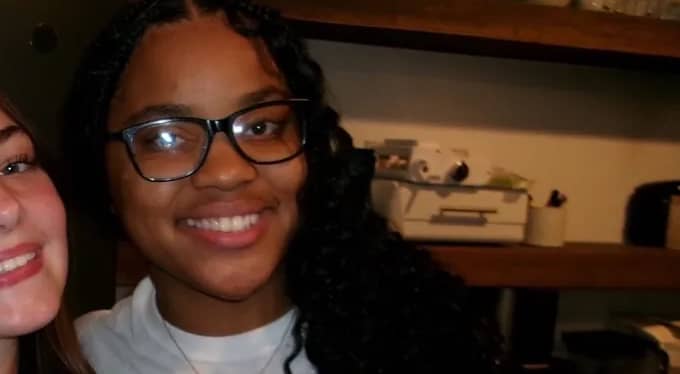
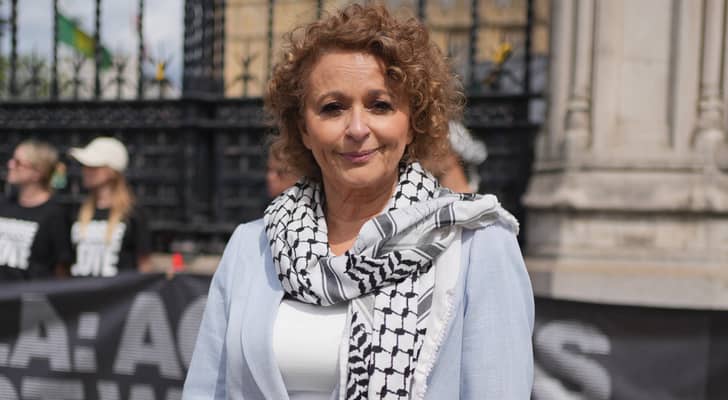
Nadia Sawalha has threatened legal action against ITV, claiming the broadcaster removed her from Loose Women because of her public support for Palestinian rights.
The long-serving panellist, who has appeared on the ITV daytime show since its early days more than two decades ago, said her legal team at the European Legal Support Center (ELSC) sent a pre-action letter alleging “direct discrimination, indirect discrimination and harassment because of her protected philosophical beliefs,” specifically her anti-Zionist views, which they say are protected under the Equality Act 2010.
In an Instagram video, Sawalha stated: “My legal team at ELSC have today written to ITV alleging that I have been treated unlawfully due to my protected beliefs. Now, before I say anything else, I want to say how sad I am that it’s got to this. Believe me, I have appealed to ITV’s hearts and minds, but to no avail.”
Sawalha said she began speaking publicly in support of Palestine in December 2023, shortly after the events of October 7.
She described becoming “the target of an escalating campaign of smears, complaints, hostile media coverage and targeted calls to have me removed from Loose Women.”
Since then, she claimed, ITV has repeatedly taken her on and off the panel.
“I’ve mostly been told that the reason for this was – and I quote – ‘it’s all a bit noisy out there for us’,” she said.
Loose Women star Nadia Sawalha is taking legal action against @ITV for being taken off air after she expressed her support for #Palestine pic.twitter.com/RHCbunNfLi
— Sarah Wilkinson (@swilkinsonbc) August 7, 2026
She stressed that she never discussed Palestine on the programme itself: “I’m hired for being an opinionated woman on a discussion show and I’ve never brought up or spoken about Palestine directly on the show.”
The presenter said that ITV “have continued to take me on and off Loose Women, forever changing the goalposts whilst also saying they couldn’t guarantee they wouldn’t take me off again as it would depend on what was said.”
She referred to a period of absence that included time off air from around April 2026, with further issues reported in July.
Around the same time, she said, newspapers made “false allegations” accusing her and her husband Mark Adderley of supporting terrorism and being antisemitic; two papers have since apologised and paid damages, with other cases pending.
She also claimed a group of prominent pro-‘Israel’ media figures sent a lengthy document to ITV urging against her reinstatement, which she said she had not been shown or allowed to answer.
The ELSC argued that Sawalha was treated less favourably than other ITV presenters who faced significant public complaints, raising concerns about equality and the treatment of those speaking out for Palestinian rights.
She is seeking an apology and assurances she will not be removed from future programmes over her lawful speech.
Alongside the legal steps, she launched a petition calling for a public apology and her reinstatement; it quickly gathered more than 20,000 signatures.
“It’s not just me that has been targeted like this for my beliefs,” she said.
“There are the teachers, doctors, nurses, charity and supermarket workers and students who have also spoken according to their conscience and have suffered a similar fate as me.”
Critics have accused Sawalha of allegedly promoting false claims, conspiracy theories and antisemitic tropes about ‘Israel’ and Jewish people in her social media activity and online content, sometimes alongside her husband.
Earlier in 2026, a group of media figures sent ITV a dossier detailing such allegations and urged the channel not to bring her back, describing her online rhetoric as involving “obsessive online vilification of Jews and the world’s only Jewish state.”
ITV has been asked for comment by multiple outlets including the BBC but had not issued a public response at the time of the latest reports.
Sawalha framed her action as standing up against being “bullied out” or “bullied into silence”.