Iranian oil exports stop as US blockade idles Kharg Island
Note: AI technology was used to generate this article’s audio.
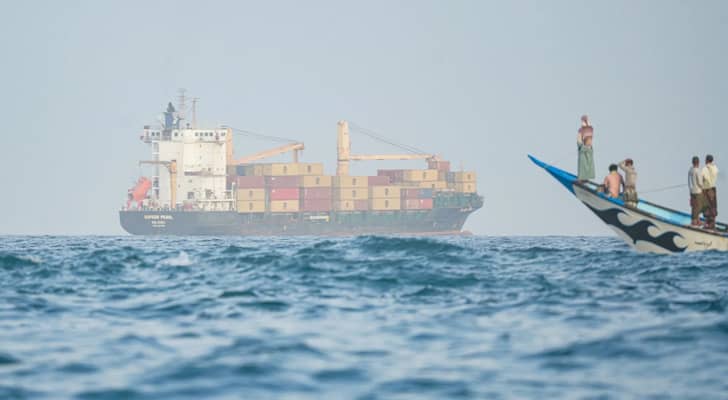
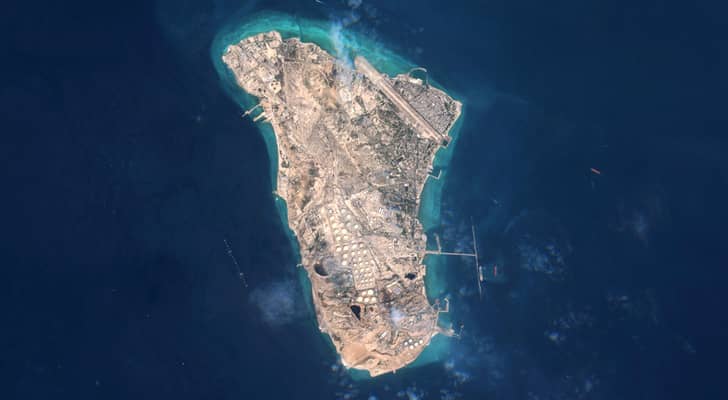
No tankers have loaded crude at Kharg Island, Iran’s primary oil export terminal, for at least a week, according to recent shipping and satellite data, indicating that a renewed US naval blockade has effectively stopped Tehran’s crude sales.
The Financial Times reported the development on Friday, citing analysis from ship-tracking firms and maritime intelligence providers.
Operations at the island, which handles nearly 90 percent of Iran’s crude exports, halted on July 31, data from Kpler and Energy Aspects show.
Satellite imagery analyzed by Windward confirmed that all three loading berths had remained empty for an extended period.
On Tuesday, only 16 vessels were anchored nearby—the lowest number recorded since early last month.
The United States reimposed the naval blockade on Iranian ports in mid-July after an interim deal, mediated by Pakistan, to reopen the Strait of Hormuz collapsed.
The standstill marks one of the longest interruptions at Kharg since the broader conflict began earlier in 2026, during which Iran had continued loading tankers even amid hostilities.
“The blockade is effective, in the sense that there isn’t much tanker traffic going in or out,” said Richard Bronze, head of geopolitics at Energy Aspects.
He noted, however, that the revenue loss is unlikely to force rapid concessions from Tehran. “It’s pretty clear that the Iranians feel they have the upper hand when it comes to Hormuz, and they are willing to absorb a great deal of economic pain to exploit their advantage.”
United Against Nuclear Iran (UANI) reported that it has identified no tanker loaded with Iranian crude that successfully left the Gulf since July 12.
Iran is still collecting payments from earlier cargoes that departed during a prior ceasefire period and are now arriving near Malaysia for ship-to-ship transfers destined mainly for Chinese refineries.
Twenty-six Iranian-flagged tankers have recently reached those waters, according to the group.
Bronze observed that Tehran may even gain from higher oil prices on those remaining barrels in the short term, but warned that this revenue stream is finite.
“The sand is running out of the hourglass in terms of how long this will continue generating revenue,” he said.
The blockade is also preventing empty tankers from returning to Iranian waters after unloading in Asia, further constraining future loadings.
Storage tanks at Kharg have not filled significantly, Energy Aspects noted, suggesting Iran may already be reducing production at its fields to avoid overflowing capacity.
Brent crude traded just under $82 a barrel on Friday as markets awaited any breakthrough on Hormuz transit.
Iranian and Omani officials have discussed a possible new shipping route, but no concrete progress has materialized, and any viable deal could prompt the US to lift the blockade.