Ceuta struggles as thousands remain stranded after border rush
Note: AI technology was used to generate this article’s audio.
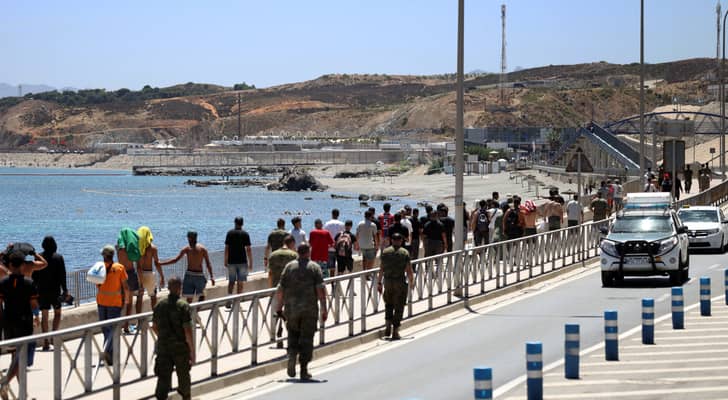
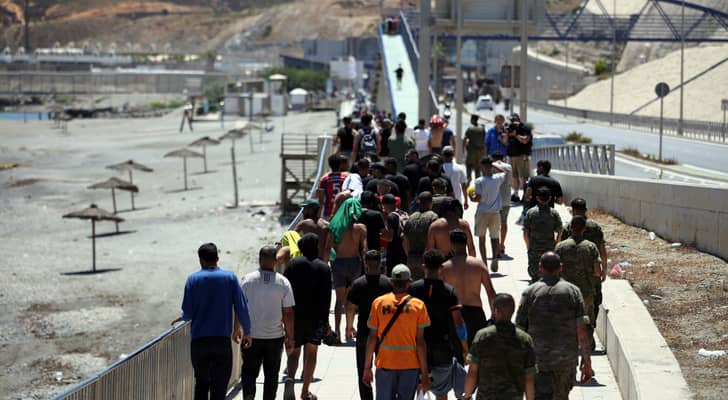
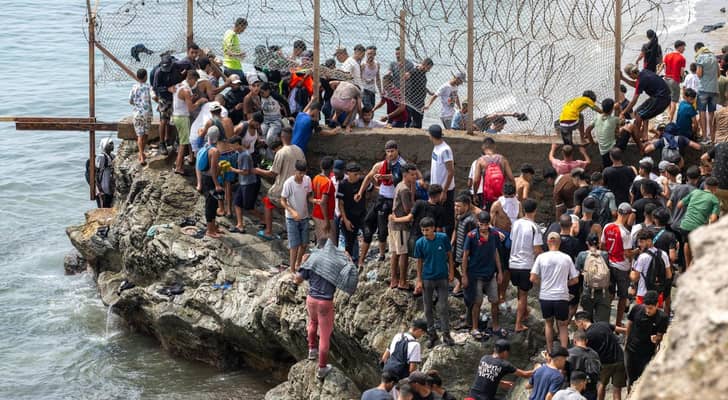
More than 69,500 migrants have returned to Morocco over the past four days following a mass border crossing into the Spanish enclave of Ceuta, exceeding earlier estimates that around 50,000 people had entered the city.
Spanish authorities said the death toll linked to the incident has risen to 72 on the Spanish side, while a floating barrier has been installed in Ceuta's waters in an effort to strengthen border security.
Despite the large number of returns, Ceuta remains under severe strain more than a week after the initial border rush.
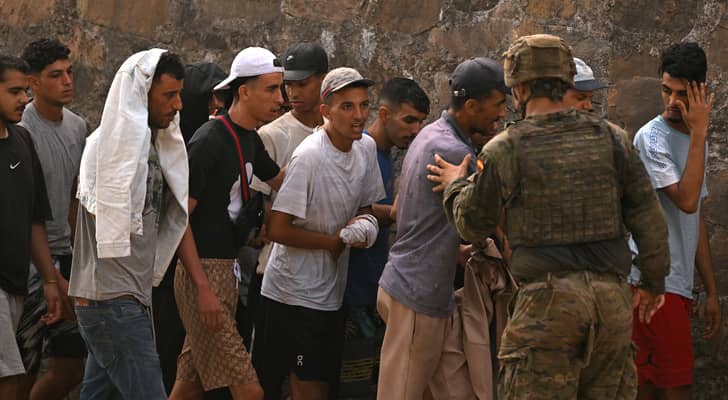
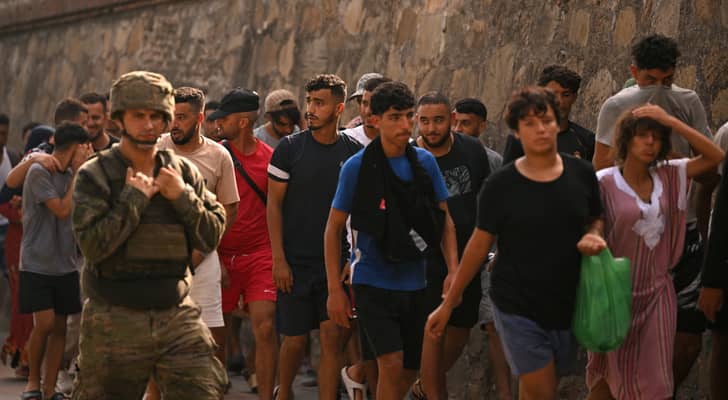
Ceuta regional leader Juan Jesús Vivas said between 3,000 and 5,000 migrants remain in the city, while reception centers for both adults and minors have far exceeded capacity. Local official Alberto Gaitán confirmed that 862 unaccompanied migrant minors are currently under legal protections that prevent their immediate deportation, with more than 1,000 minors still believed to be in the enclave overall.
Humanitarian concerns continue to mount as families search for missing relatives. One 17-year-old told reporters she witnessed her eight-year-old brother drown while attempting to reach the shore during the crossing. She added that she was separated from her mother in the chaos and has since been living on the streets.
Families in Morocco have also reported loved ones missing after attempting the journey. Among them is 17-year-old Abdullah Al Hafi, who last contacted his family while traveling to Fnideq before trying to enter Ceuta. Another case involves 14-year-old Nada Shiba, who was separated from her mother during the crossing. While Nada reached Ceuta, her mother was returned to Morocco, leaving the family searching for information regarding her whereabouts.
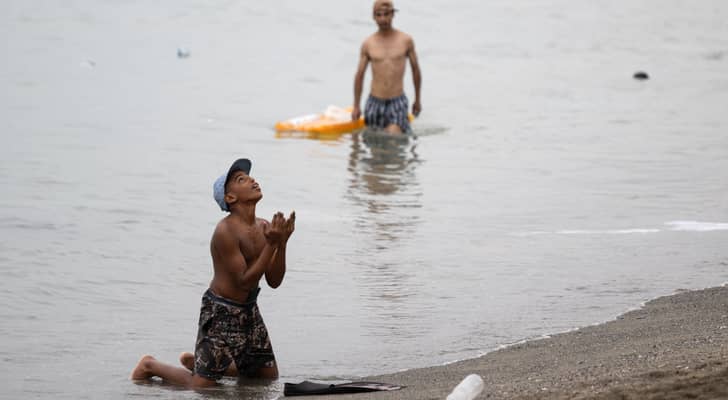
Many migrants who returned to Morocco stated they left Ceuta because of rapidly deteriorating conditions rather than official pressure. According to accounts from returnees, food became scarce as local shops closed, while others reported being forced to sleep on beaches and streets amid growing hostility from some residents.
The incident has also fueled diplomatic and border-control tensions across Europe. France and Italy have both tightened their border controls in response, with Italy temporarily suspending Schengen visa processing from Spain. Spanish Prime Minister Pedro Sánchez responded by citing broader data on irregular migration routes across the continent.
Spanish intelligence services reported that while Moroccan border controls were relaxed throughout July, there was no evidence that Moroccan authorities orchestrated the mass crossing, concluding instead that they allowed it to unfold as border barriers collapsed and thousands attempted to cross on foot or by swimming around the frontier.
Authorities say Ceuta continues to face significant logistical and humanitarian challenges as thousands of migrants remain in the city awaiting resolution.