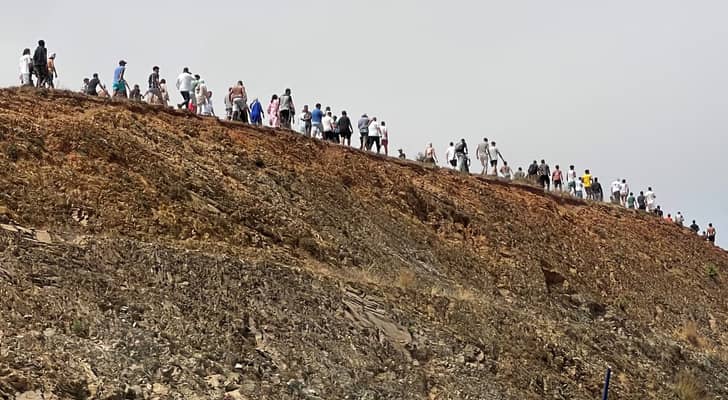
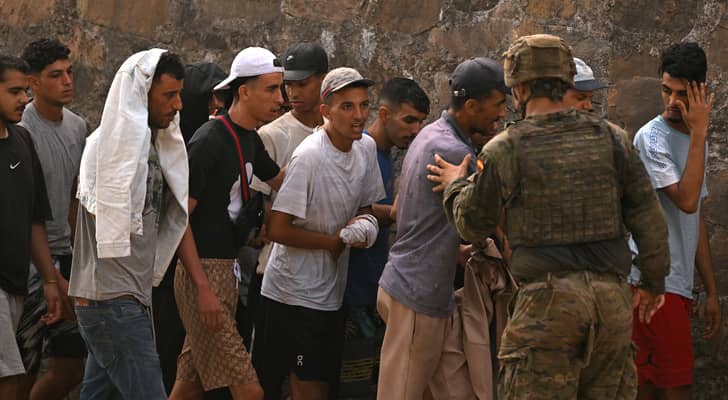
A Spanish soldier controls a group of migrants on their way back towards the Moroccan border, following their illegal crossing into the Spanish enclave of Ceuta, on August 1, 2026.

Thousands of migrants return from Ceuta to Morocco
Note: AI technology was used to generate this article’s audio.
- Spain says 48,000 of 60,000 crossings reversed.
- Returnees transported to cities across Morocco.
- Fnideq border secured after clashes.
Thousands of people who were turned back from the Spanish enclave of Ceuta have begun boarding buses in the Moroccan border town of Fnideq to return to their home towns, according to reporting on the scene by AFP.
The transportation operation, which began on Friday evening, continued through Saturday as local authorities worked to clear the border region following an unprecedented surge of border crossings into Spanish territory.
Mass transit operations
According to a Moroccan source close to the operation speaking to AFP on condition of anonymity, individuals sent back from Spain are being transported home directly by bus or routed through the railway station in Tangier, located 70 kilometers (45 miles) away.
Late Friday, journalists witnessed approximately twenty 54-passenger buses depart Fnideq carrying around 1,000 people.
The buses were destined for regional transit hubs including Tangier, Tetouan, and Casablanca, all equipped with rail facilities to redirect individuals who had traveled from as far away as Marrakech, located more than 500 kilometers to the south.
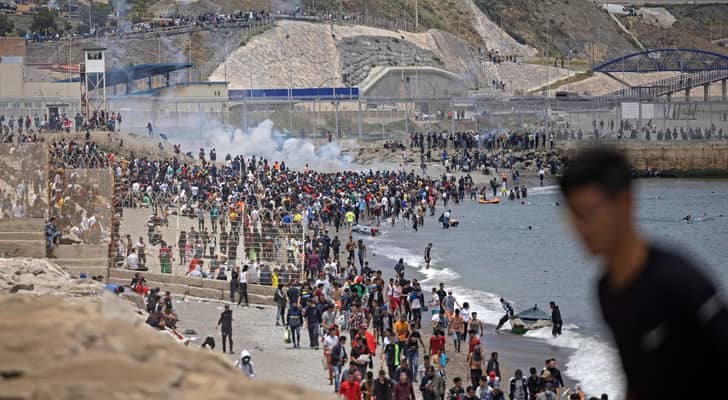
The influx severely strained Fnideq, a coastal town of 70,000 inhabitants—a population roughly equal to that of Ceuta itself.
"I heard that buses had arrived to take us back home. Honestly, I just want to see my children again. I regret having come all the way here," said Rachid Aouchari, 32, a resident from Ksar el Kebir who was turned back from Ceuta overnight Thursday.
Border secured following clashes
The Spanish government announced Friday evening that at least 48,000 of the estimated 60,000 people who entered Ceuta in recent days have returned to Morocco.
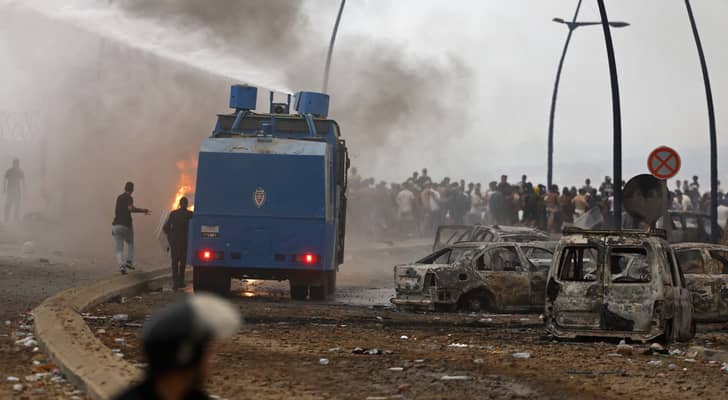
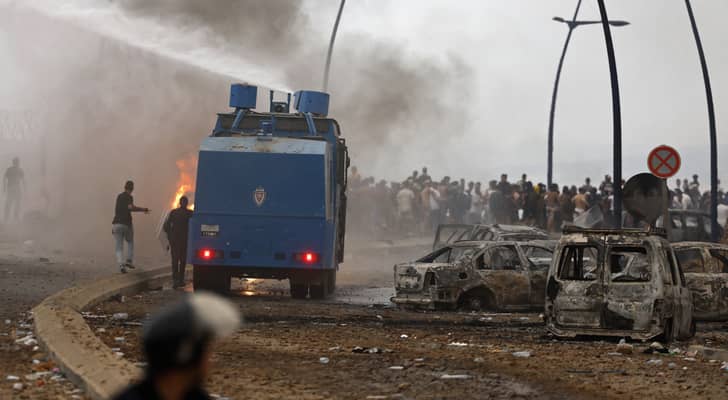
The repatriation efforts follow severe clashes through midday Friday along the perimeter wall leading to the Ceuta crossing point, where hundreds of young men attempted to reach Spanish soil on foot or by swimming.
Moroccan police deployed water cannons and tear gas to disperse crowds throwing stones, resulting in dozens of arrests.
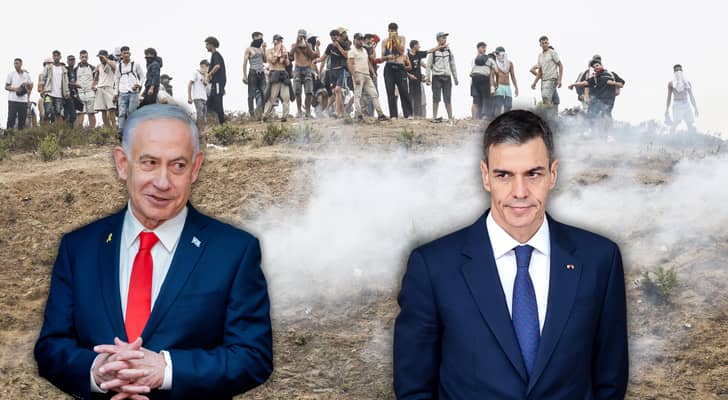
The Moroccan official source confirmed that the Fnideq border post and the overlooking hills—where stone-throwing incidents had occurred—are now "completely secure."
At least 67 people died in the recent surge in migrant crossing from Morocco to Spain's north African enclave Ceuta, Spain's Interior Minister Fernando Grande-Marlaska told reporters on Saturday.