Pushing Lebanon toward civil war was a goal from the start: 'Israeli' media
Note: AI technology was used to generate this article’s audio.
- 'Israeli' media cites analysts suggesting policy could deepen internal tensions in Lebanon.
- Debate continues over withdrawal from southern Lebanon and Hezbollah disarmament conditions.
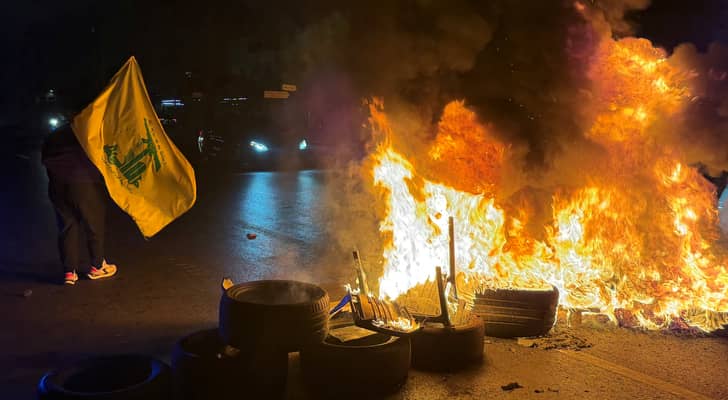
Reports in 'Israel' have sparked debate after analysts and commentators suggested that current approaches toward Lebanon could contribute to internal instability, including the possibility of confrontation between the Lebanese state and Hezbollah.
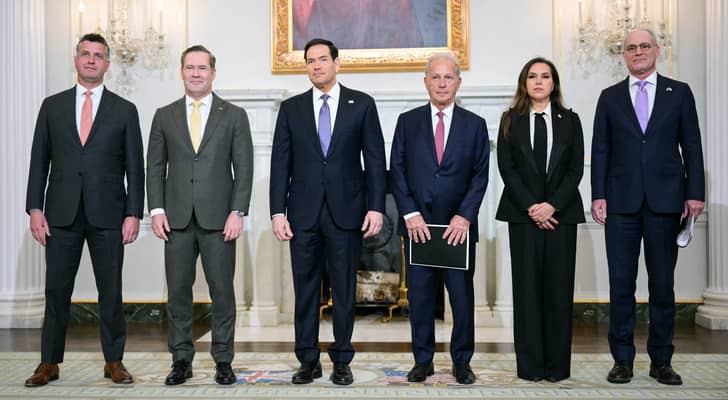
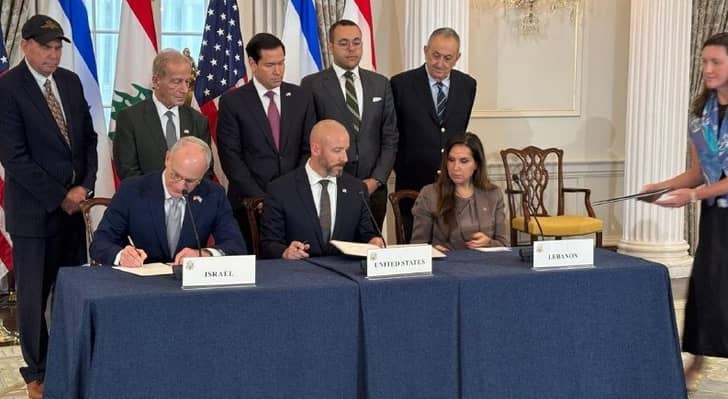
The remarks appeared amid media coverage of emerging understandings tied to border security arrangements and future military deployment in southern Lebanon.
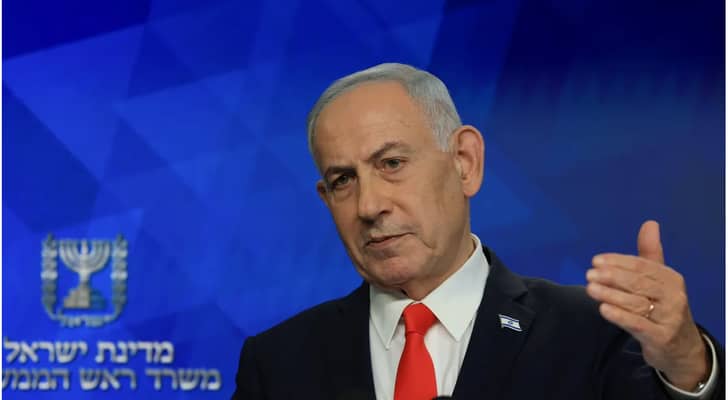
Channel 13 in 'Israel' quoted a military affairs analyst as saying that 'Israel' has been “pushing Lebanon into a civil war,” adding that a confrontation between the Lebanese government and Hezbollah “may not be a bad outcome for 'Israel',” and describing it as an objective “from the beginning.”
The comments drew attention in political discussions, framing internal Lebanese tensions within broader security calculations.
Channel 12 reported remarks from Moshe Davidovich, head of the Mateh Asher regional council and the Frontline Forum, who said maintaining an 'Israeli' military presence along the border is essential for civilian security. He argued that threats to border communities would remain as long as Hezbollah retains military capabilities and no effective international mechanism enforces disarmament.
Davidovich said a peace agreement with Lebanon remains possible, but stressed that its success must be measured by security conditions rather than diplomatic announcements.
The 'Israel' public broadcaster reported that a proposed framework could allow for an 'Israeli' withdrawal from Lebanon following Hezbollah’s disarmament. It also said the arrangement could open the door to a broader peace agreement with Beirut, contingent on reducing Iranian influence in the country.
Former head of 'Israel’s' military intelligence, Amos Yadlin, described the potential deal as a “very significant and positive achievement.” He said it differs from other regional understandings and links withdrawal to Hezbollah’s disarmament, with a longer-term goal of normalization.
The debate in 'Israel' highlights divisions over northern border strategy, with some officials backing continued military presence while others support negotiated arrangements as a path toward long-term stability.