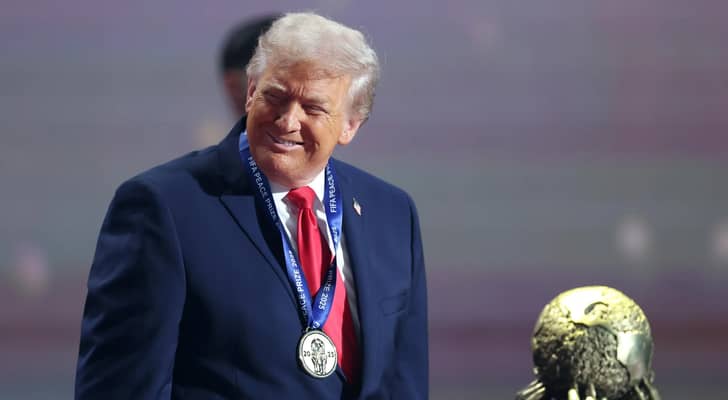
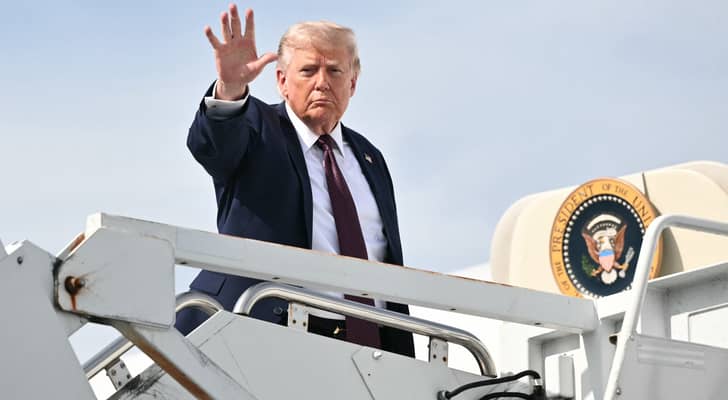
US President Donald Trump waves as he boards Air Force One before departing from Reading Regional Airport (RDG) in Pennsylvania.

Poll: only 23% of Americans view US as stronger after Iran war
Note: AI technology was used to generate this article’s audio.
A new Reuters/Ipsos poll conducted recently indicates limited American confidence in the outcomes of the recent US war with Iran.
Only 23 percent of respondents believe the United States is now in a stronger position with Iran than before the conflict, while 35 percent view the nation's stance as weaker.
The remainder expressed uncertainty or perceived no significant change.
The survey, which closed on June 23, underscores broad public reservations about the costs and benefits of the war.
Just 24 percent of Americans consider the conflict worth its expenses, with half stating it was not. These sentiments align with earlier polling during the hostilities, reflecting sustained war fatigue among the electorate.
The Iran war erupted on February 28, when US and ‘Israeli’ forces launched extensive airstrikes targeting Iranian military sites, nuclear facilities, and leadership.
The operation resulted in the death of Supreme Leader Ali Khamenei and significant regional escalation, including Iranian retaliatory actions that disrupted global oil flows through the Strait of Hormuz.
Hostilities continued for several months amid ceasefires, blockades, and mediated negotiations.
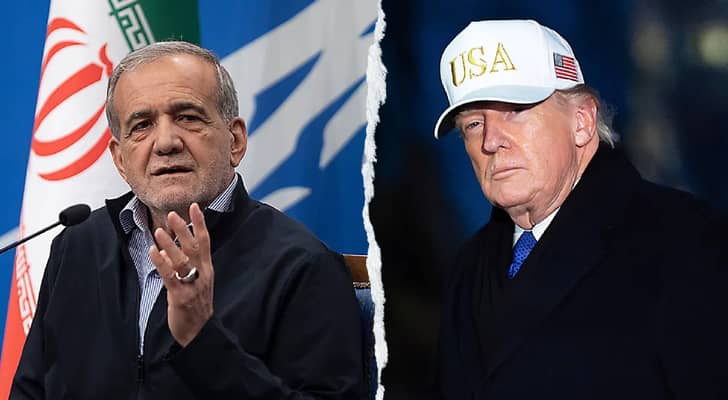
On June 17, President Donald Trump and Iranian President Masoud Pezeshkian signed a preliminary memorandum of understanding aimed at suspending fighting for 60 days, reopening shipping lanes, and easing certain sanctions in exchange for Iranian commitments on its nuclear program.
Technical talks are ongoing, though skepticism remains high.
The poll also highlights challenges for the Trump administration.
The president's overall approval rating has fallen to 34 percent, tying the lowest point of his second term.
A majority of respondents, 63 percent, doubt the truce will yield lasting peace, including substantial portions of both Republicans and Democrats.
Economic repercussions from the war, particularly elevated gasoline prices despite recent declines in global crude oil costs, have compounded public discontent.
Trump's handling of the cost of living receives approval from only 22 percent of Americans, contributing to concerns ahead of the November midterm elections.