Report reveals gaps in shelter access for migrant workers in ‘Israel’ during Iran war
Note: AI technology was used to generate this article’s audio.
A recent report by the Center for International Migration and Integration (CIMI) in ‘Israel’ reveals significant disparities in access to shelters and emergency support for migrant workers in ‘Israel’ during the June 2025 conflict with Iran.
The study, based on surveys of approximately 1,500 migrant workers, indicates that while many complied with Home Front Command instructions when feasible, systemic barriers left substantial numbers exposed.
Migrant workers, who number over 200,000 in ‘Israel’ across key sectors, generally followed official safety protocols during missile alerts.
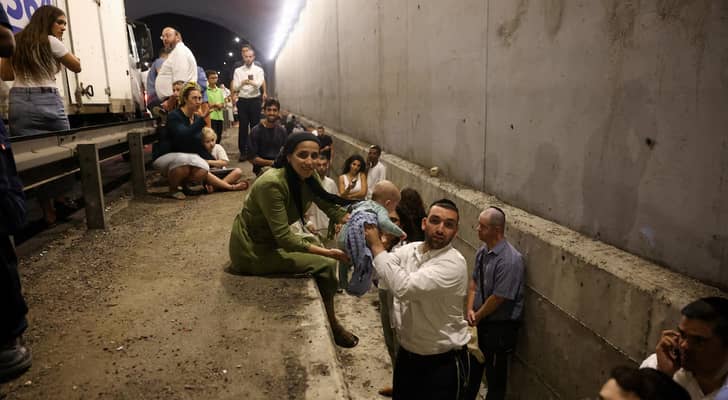
However, access to protected spaces proved inconsistent. The report underscores that compliance was higher among those with ready shelter access, but many encountered obstacles in reaching safety promptly.
Sectors such as agriculture, construction, and live-in caregiving were particularly affected.
Workers in these fields often continued operations in open or remote areas with limited nearby shelters, employer support, or flexibility to seek protection.
Language barriers, lack of clear multilingual information, and employment pressures further compounded vulnerabilities during the short but intense period of exchanges.
CIMI, an independent nonprofit established by JDC ‘Israel’, emphasized that a sense of security during emergencies depends not only on physical infrastructure but also on accessible information, employment continuity, and social networks.
The findings align with broader concerns about protection gaps for non-citizens in ‘Israel’ during periods of war.
The CIMI report advocates for enhanced policies to ensure equitable access to shelters, timely information in native languages, and comprehensive support mechanisms.