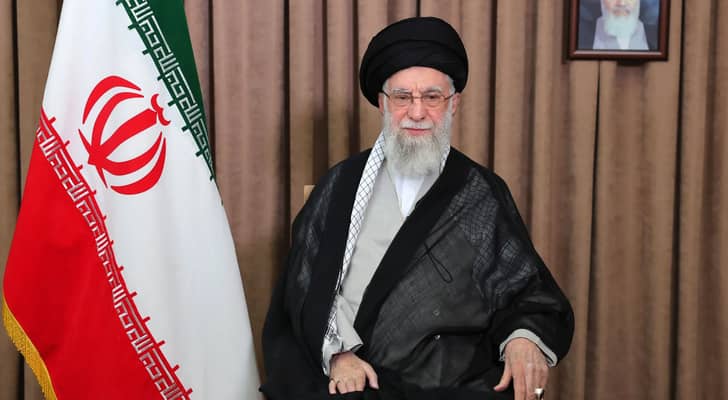
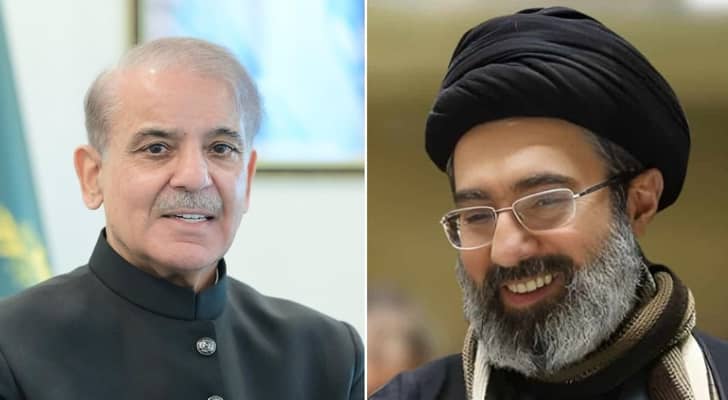
Iranian President Masoud Pezeshkian

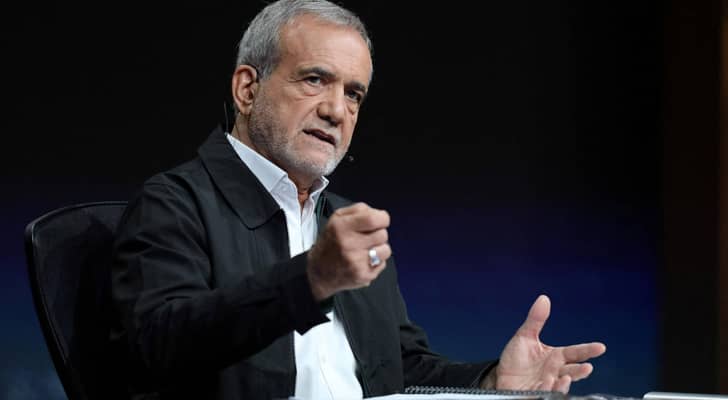
Pezeshkian sets redline on ballistic missiles in future talks
Note: AI technology was used to generate this article’s audio.
- Pezeshkian praises Pakistan’s key role in mediation and MoU.
- Holds talks in Islamabad with Shehbaz Sharif and General Asim Munir.
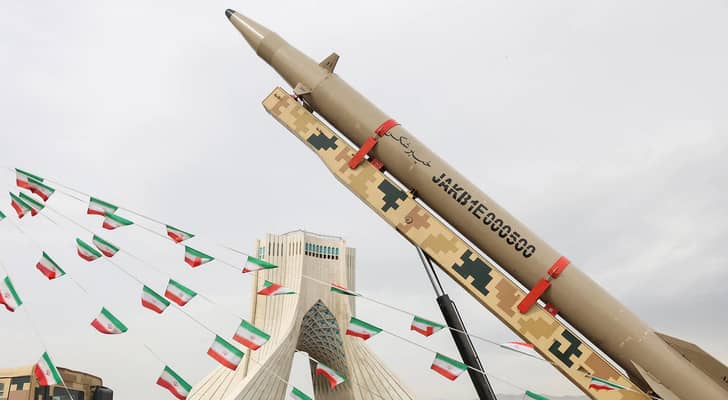
- Declares Iran’s ballistic missile program is not open to negotiation.
- Says regional peace and cooperation are essential for long-term stability and growth.
Following his highly anticipated arrival in the Pakistani capital on Tuesday, Iranian President Masoud Pezeshkian expressed deep gratitude for Islamabad’s central role in facilitating backchannel negotiations between Tehran and Washington.
The intense mediation pipeline successfully yielded a landmark regional Memorandum of Understanding, temporarily halting a catastrophic conflict in the Middle East.
However, while celebrating the current diplomatic breakthrough, the Iranian President utilized his joint platform in Islamabad to issue a fierce, unyielding warning to Western interlocutors.
Pezeshkian firmly shut down any possibility of incorporating Iran’s defense infrastructure into the upcoming technical negotiations, drawing a strict boundary around the state's military sovereignty.
Pezeshkian praised the massive personal capital and structural energy invested by Pakistan's top political and military brass to push the highly volatile peace track past the finish line.
"We highly value Pakistan's role in facilitating negotiations and reaching the Memorandum of Understanding," Pezeshkian announced. He singled out the joint efforts of Prime Minister Shehbaz Sharif and Pakistan Army Chief Gen. Asim Munir, stating that both leaders "exerted massive efforts in the negotiations, and we deeply appreciate their critical role."
The praise follows a series of intense, high-stakes sessions in Switzerland and Islamabad, where Pakistani and Qatari diplomats successfully managed to carve out a fragile 60-day extension to the regional ceasefire. Pezeshkian confirmed that his current visit included exhaustive, direct reviews with Pakistan's civilian and defense leadership regarding the rapidly evolving security developments across both the region and the wider global stage.
No concessions on national defense
The most critical element of the President's address focused on the next phases of the 60-day diplomatic process, which aims to transition the temporary Islamabad MoU into a permanent, legally binding treaty.
Responding to domestic pressures and external narratives suggesting that Western powers intend to utilize upcoming sessions to strip Tehran of its deterrent capabilities, Pezeshkian issued a definitive, unconditional refusal.
"We are firmly holding onto our elements of strength in the upcoming negotiations," Pezeshkian stated unequivocally. "No negotiations have taken place regarding our ballistic missiles, and absolutely none will take place in the future."
The statement serves as a direct strategic alignment with remarks made by other senior Iranian officials, who have consistently maintained that the signed text of the MoU explicitly governs economic sanctions relief, nuclear inspection mechanisms, and maritime safety corridors, while leaving Iran's sovereign defense systems completely untouchable.
Looking beyond the immediate transactional details of the US–Iran deal, Pezeshkian framed the current diplomatic pivot as an opportunity to fundamentally rewrite the security architecture of the region.
He emphasized that the long-term economic and social viability of the area must be driven from within, rather than mandated by external Western powers.
"We firmly believe that the progress of the West Asia region depends entirely on peace, security, and deep regional cooperation," the President concluded, urging neighboring states to lock arms under the new framework to foster lasting stability.