Sharif to Khamenei: You secured peace, while keeping dignity
Note: AI technology was used to generate this article’s audio.
- Shehbaz Sharif says Iran secured a ceasefire and MoU while preserving its dignity.
- Warns external actors are trying to undermine the U.S.-Iran agreement.
- Says the Islamabad MoU contains no provisions on Iran’s missile program.
- Criticizes what he describes as double standards on regional missile capabilities.
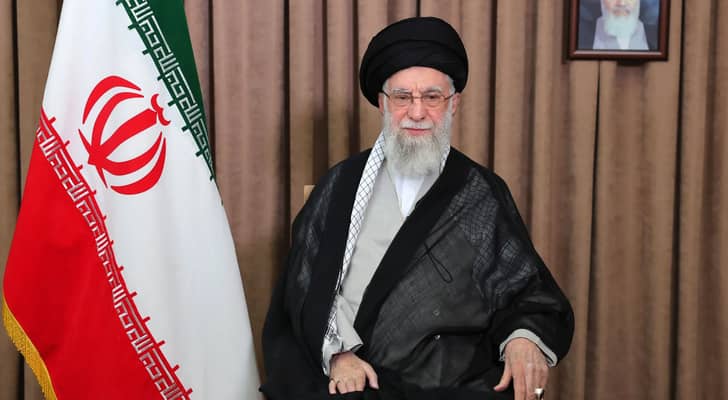
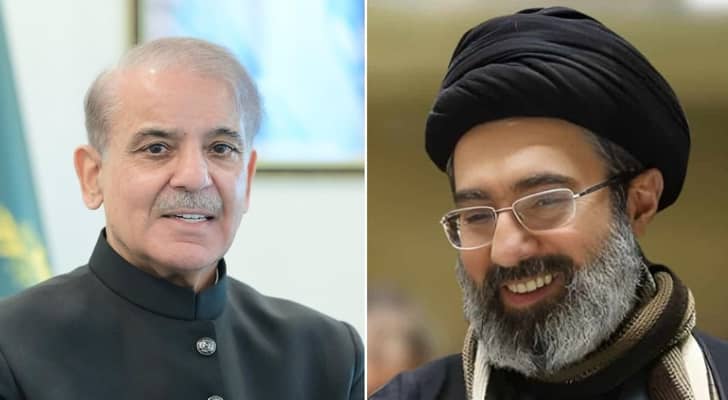
Pakistani Prime Minister Shehbaz Sharif has delivered a powerful defense of the newly brokered US–Iran diplomatic breakthrough, revealing that his direct message to Iran's Supreme Leader Mojtaba Khamenei emphasized that Tehran has successfully secured a ceasefire while keeping its national dignity entirely intact.
Serving as a chief guarantor and mediator for the historic "Islamabad Memorandum of Understanding" alongside Qatar, Sharif used a major public address on Tuesday to outline the boundaries of the pact and push back against external factions attempting to derail the regional truce.
"My message to the Iranian Supreme Leader is that his country has reached a ceasefire and a Memorandum of Understanding, and has fully preserved its dignity," Sharif announced, reflecting on the marathon diplomatic sessions recently concluded in Bürgenstock, Switzerland.
Addressing 'Spoilers'
Reflecting on how close the region came to an all-out, catastrophic military confrontation, Sharif praised the unified stance of regional heads of state who supported the intense mediation pipeline.
"This war could have destroyed everything," the Prime Minister warned, adding, "We highly commend the support of the region's leaders to achieve this peace."
However, Sharif transitioned quickly to a firm warning regarding an ongoing counter-campaign to dismantle the diplomatic progress.
He explicitly called out external "spoilers" and hostile foreign parties that are actively working to collapse the agreement before it can transition into a permanent treaty over the next 60 days.
According to the Pakistani premier, these disruptive states are deliberately weaponizing Iran's defense apparatus as a political tool to freeze the peace tracks.
International double standards
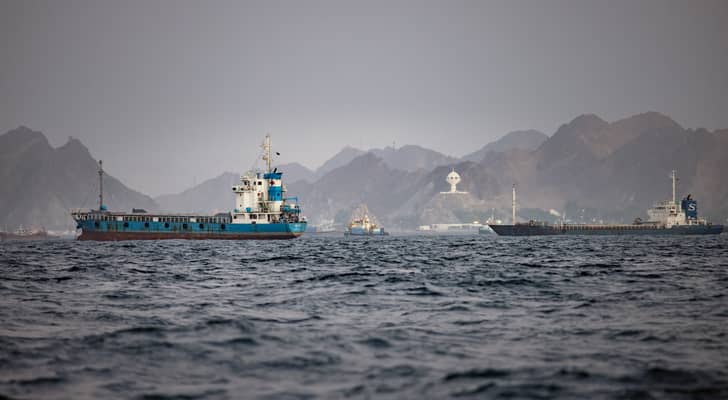
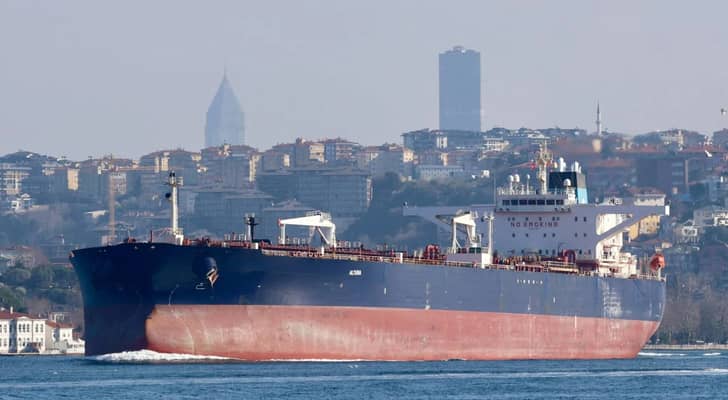
In a major revelation regarding the technical contents of the secret negotiations, Sharif confirmed that the text of the Islamabad MoU strictly focused on immediate de-escalation parameters, such as lifting naval blockades and reopening critical shipping lanes, while avoiding broader defensive categories.
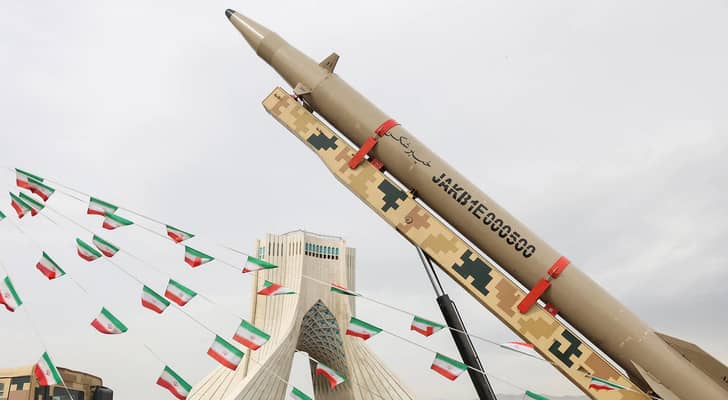
"The Memorandum of Understanding did not address the issue of Iranian ballistic missiles," Sharif clarified.
Sharif then launched a fierce rhetorical critique against Western and regional critics who have demanded that any permanent settlement must strip Iran of its long-range artillery capability.
He framed these external demands as a hypocritical and unsustainable framework for Middle Eastern security.
"There are countries that want to disrupt this agreement, and I say to them: they cannot possess ballistic missiles without Iran doing the same," Sharif asserted. "Double standards cannot be accepted. It is completely unreasonable for some to possess ballistic missiles while Iran is forbidden from having them."
By publicly aligning with Tehran on its right to maintain a baseline missile deterrent, Pakistan has signaled that its role as a guarantor extends to protecting the core sovereignty of both signatories. Sharif concluded by reiterating Islamabad's long-term diplomatic commitment to the corridor: "We would like to continue our role until a truly lasting peace is fully realized."