US President Donald Trump

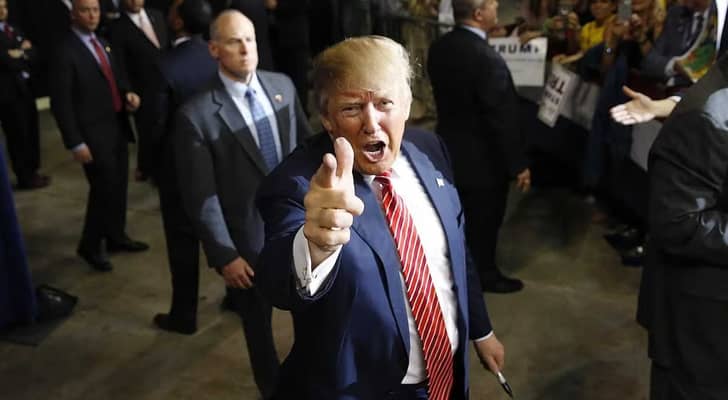
Trump slams 'Dumocrat' rumors of $300 billion payout to Iran
Note: AI technology was used to generate this article’s audio.
- Trump calls the claims “fake news” and politically motivated.
- Says the deal boosts markets and lowers oil prices.
- White House frames the pact as a win with no cost to taxpayers.
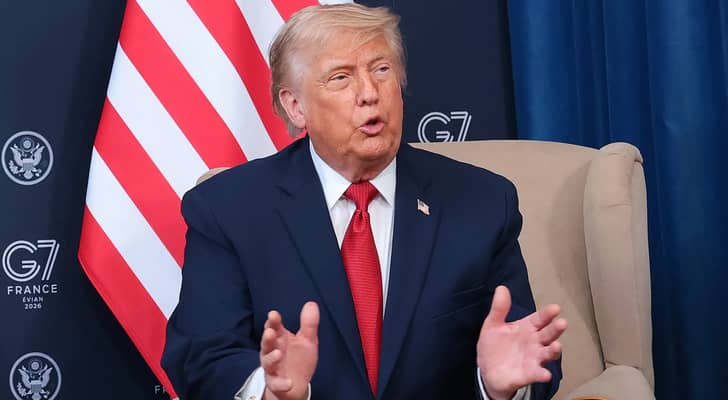
US President Donald Trump forcefully struck back against domestic critics of his historic diplomatic breakthrough with Iran, issuing an aggressive, late-night Truth Social statement denying that the newly signed peace agreement includes a multi-billion-dollar payout to Tehran.
The statement follows a wave of intense political scrutiny in Washington regarding the hidden terms of the newly implemented digital memorandum of understanding (MOU).
Responding directly to murmurs of a massive financial concession, Trump flatly rejected the specific figure circulating in opposition circles.
"There is no 300 Billion Dollar payment to Iran by the U.S.," Trump posted to his platform in his signature direct style. "That’s Fake News!" He went on to explicitly blame his domestic political opponents for orchestrating the rumors, adding that the allegations are nothing more than "Dumocrat propaganda at play!!!"
Rather than a costly concession, Trump framed the rapid cessation of hostilities and the lifting of the US naval blockade as an unmitigated win for American consumers and global markets.
The White House has sought to tie the immediate real-world outcomes of the truce -such as the massive 12.5 million barrels of oil that safely transited the Strait of Hormuz overnight- directly to domestic economic relief.
"All there is for the U.S. is Success, Lower Oil Prices, and Victory. Check out the Stock Market," the US President declared.
The US President’s defense comes at a critical juncture as US Central Command (CENTCOM) warships transition from active blockade enforcement to a strict treaty-monitoring posture in the Persian Gulf.
By pointing directly to Wall Street’s positive reaction and a steep drop in energy costs, the administration is attempting to solidify public support for the 60-day negotiation window before formal diplomatic teams officially convene in Switzerland.