‘Israel’ reports outbreak in Jellyfish swarms and rise in sting reports
Note: AI technology was used to generate this article’s audio.
Large swarms of jellyfish have appeared along ‘Israel's’ Mediterranean coastline, with reports of increasing sting incidents prompting heightened caution among beachgoers.
The arrivals this season began earlier than in previous years, with sightings documented as early as mid-May 2026 from Nahariya in the north to Ashkelon in the south.
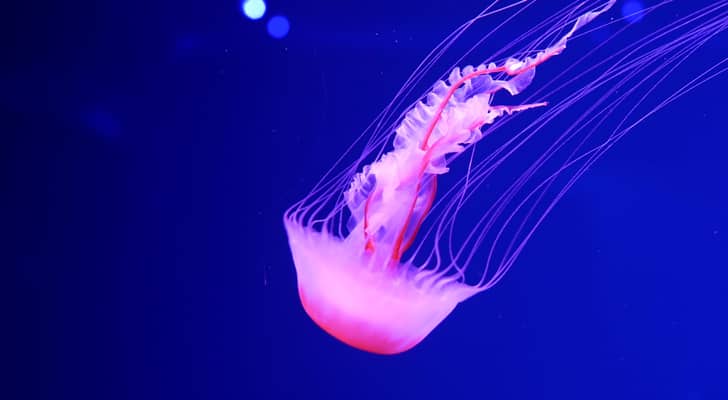
The invasive nomad jellyfish (Rhopilema nomadica), the most common and stinging species in the region, dominates the blooms, often accompanied by other varieties such as the blue blubber jellyfish.
These gelatinous creatures, which entered the Mediterranean via the Suez Canal, thrive in warming waters and have become a recurring summer phenomenon exacerbated by climate change, overfishing, and environmental shifts.
‘Israeli’ authorities advised vigilance. Stings, which can cause pain, redness, swelling, or more severe reactions in sensitive individuals, have led to medical treatments, including hospitalizations in some cases.
The swarms also pose operational challenges. Jellyfish have clogged cooling systems at power stations, such as the Rutenberg facility in Ashkelon, requiring rapid intervention to maintain electricity supply.
Impacts extend to tourism, fisheries, and desalination plants, with annual economic costs previously estimated in the tens of millions of dollars.