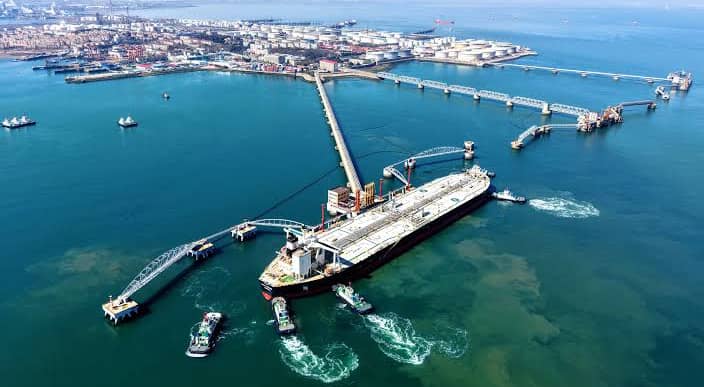
Oil tanker. (illustrative)

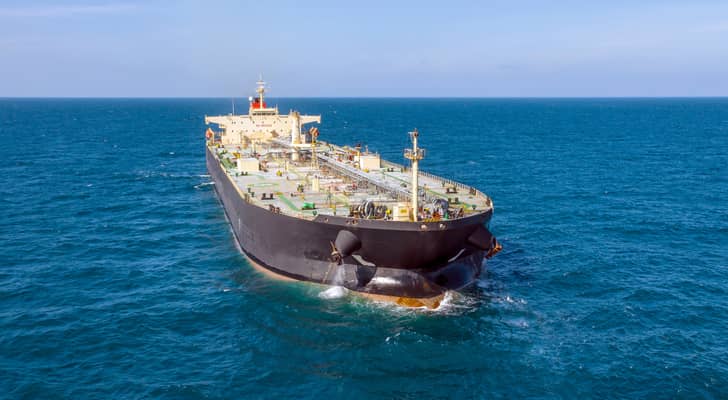
Iranian supertankers carrying 3.8 million barrels resume exports following blockade end
Note: AI technology was used to generate this article’s audio.
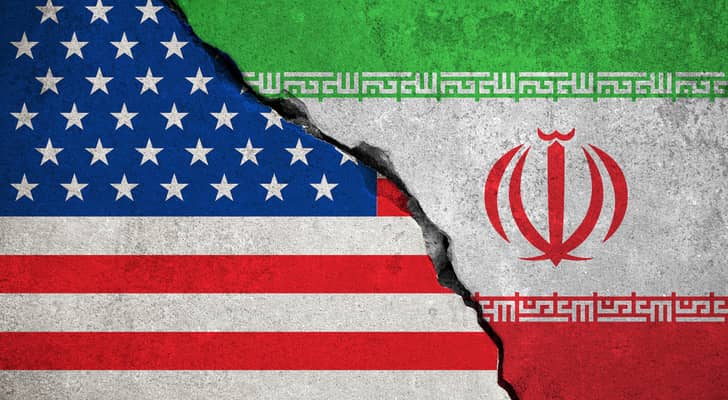
Iran has successfully exported its first significant crude oil shipments in approximately two months, marking a key development after the United States and Iran reached a framework agreement to end hostilities and lift the US naval blockade.
Maritime intelligence firm TankerTrackers reported that at least two supertankers operated by the National Iranian Tanker Company (NITC) — the Diona and Hero II — departed Iran on Monday, carrying a combined total of about 3.8 million barrels of crude oil.
The company verified the movements using tracking data corroborated by satellite imagery, confirming the vessels had sailed past the previous US naval blockade line.
This resumption follows the announcement of a preliminary deal between Washington and Tehran around mid-June.
The agreement aims to end the months-long conflict, reopen the Strait of Hormuz to commercial shipping, and lift the US naval blockade imposed earlier in response to regional tensions.
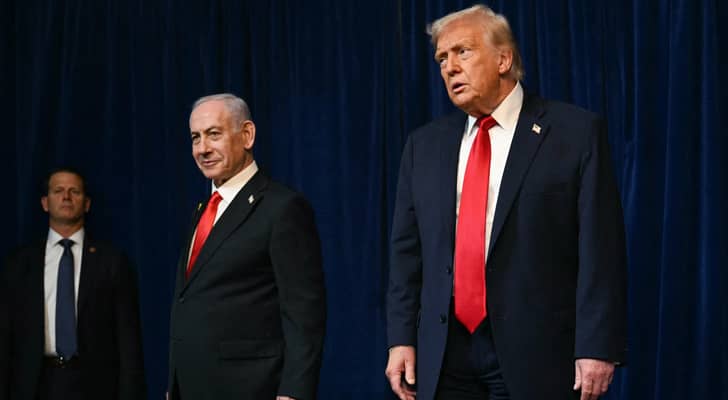
US President Donald Trump stated that he authorized the immediate removal of the blockade, describing the framework as a step toward broader stability.
The blockade, enacted in April, had severely curtailed Iranian oil exports, reducing them to near-record lows.
Data from firms such as Kpler and United Against Nuclear Iran indicated that crude oil shipments dropped dramatically in May, with exports falling below 300,000 barrels per day and no confirmed crude passing the blockade line for extended periods.
This resulted in substantial revenue losses for Iran, estimated in the billions of dollars, and the accumulation of floating storage.
Lifting restrictions could allow Iran to gradually restore export levels closer to pre-blockade figures, potentially easing pressure on global oil markets.
A tanker previously waiting near Pakistan has also begun moving toward the area, further signaling renewed activity.
The framework agreement includes provisions for a 60-day ceasefire extension and paves the way for further negotiations on issues such as Iran's nuclear program and sanctions relief.