World Cup 2026 and the specter of war: echoes of the 1982 tournament
Note: AI technology was used to generate this article’s audio.
- The start of the 2026 World Cup has coincided with rising tensions over potential US military action against Iran, reviving memories of the 1982 tournament held amid the Lebanon war.
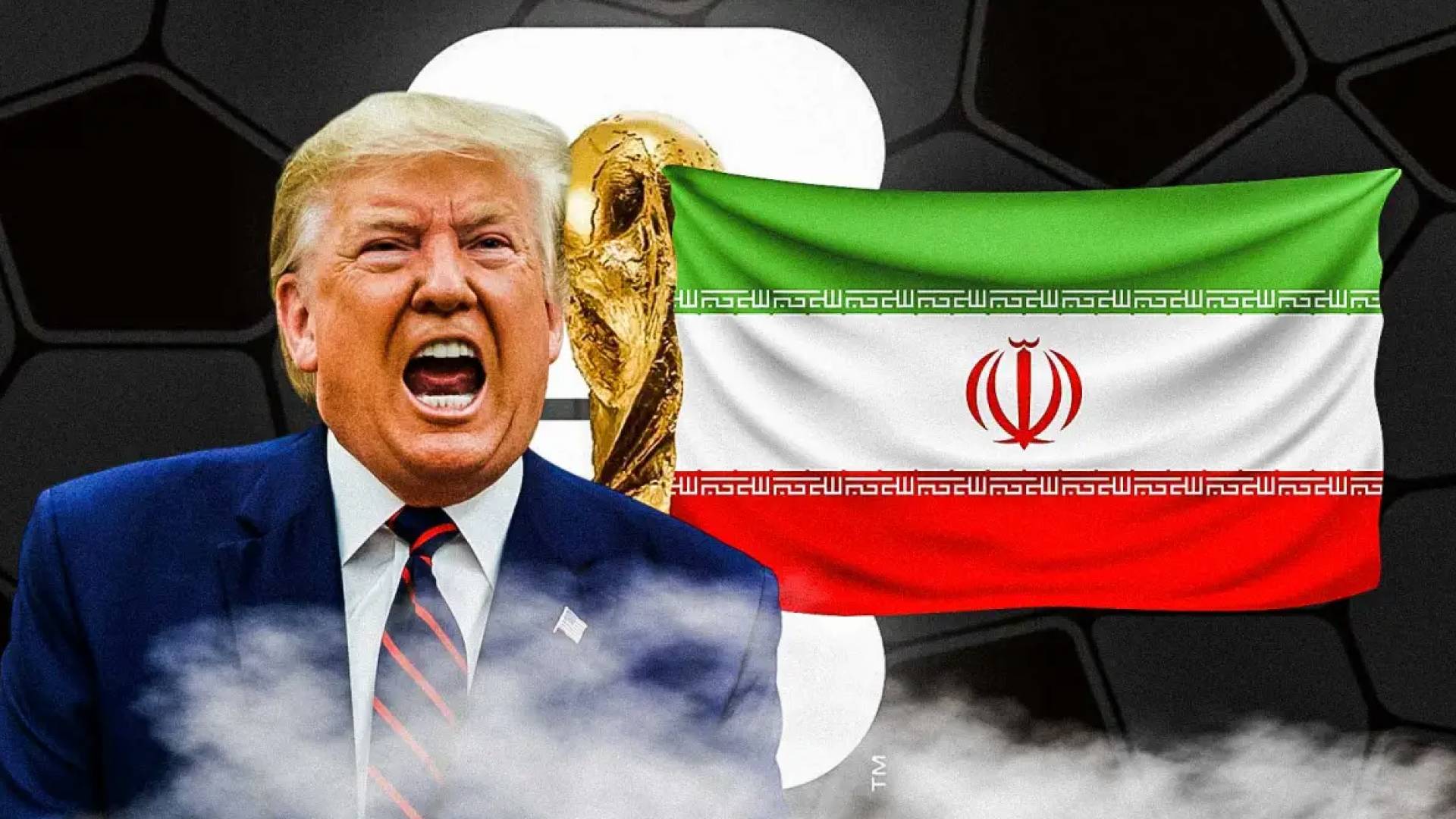
As the world turns its attention to the opening of the 2026 FIFA World Cup, the tournament is unfolding against a backdrop of rising geopolitical tension, with US President Donald Trump's threats of intensified military action against Iran casting a shadow over football's biggest stage.
The convergence of a global sporting spectacle and the prospect of a major military escalation has created a striking contrast: millions preparing to watch the world's best teams compete while closely monitoring developments in the Middle East.
Trump said this week that the United States would launch additional strikes against Iran, describing them as "bigger" and "more powerful," while also indicating that military options targeting key Iranian infrastructure remain under consideration. Although diplomatic contacts between Washington and Tehran continue, the prospect of further escalation has raised concerns about the timing of such actions as the World Cup gets underway.
The overlap between international sport and armed conflict is not unprecedented. Historians and observers have drawn parallels with the 1982 World Cup in Spain, which began just days after 'Israel' launched its invasion of Lebanon.
At the time, television screens across the region alternated between images of football matches and scenes from the battlefield. As Beirut came under siege, many Lebanese turned to the World Cup as a brief escape from the realities of war, gathering around televisions whenever possible despite bombardment, displacement and power shortages.
The coincidence left a lasting mark on public memory. While fans celebrated goals and victories in Spanish stadiums, communities across Lebanon were confronting one of the most difficult chapters in the country's modern history.
That juxtaposition later found expression in art and cinema. Among the works inspired by the period was the film Mondial 1982 by Palestinian filmmaker Elia Suleiman, which explored the contrast between the excitement of football and the devastation of war.
More than four decades later, the opening of another World Cup is once again coinciding with fears of a widening regional conflict. Whether the coming days are defined by football drama or geopolitical escalation remains uncertain, but for many viewers, attention is likely to be divided between the matches on the pitch and the headlines unfolding beyond it.