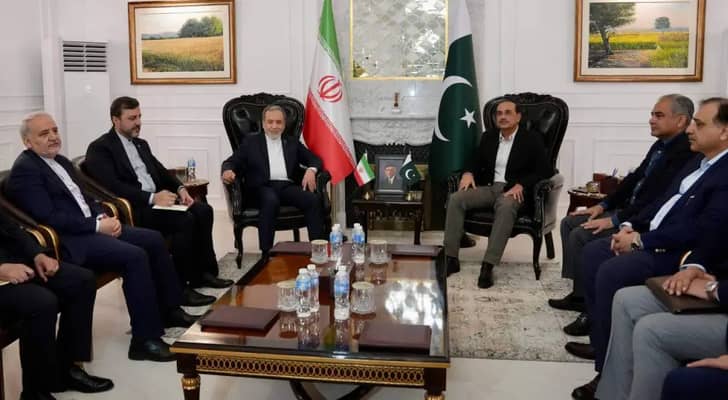
Iran replies with a 14-point roadmap to Pakistan for ending war
Note: AI technology was used to generate this article’s audio.
- Tehran has delivered a 14-point response to a US proposal, outlining its definitive roadmap for ending the war.
- The document was transmitted via Pakistani mediators following approval from Iran’s highest decision-making bodies.
Iran has submitted a detailed 14-point response to Pakistani mediators, outlining its strategic requirements for a permanent end to the current conflict with the United States.
The move marks a significant escalation in the ongoing "back-channel" diplomacy currently being facilitated by Islamabad.
According to reports from the Fars News Agency, the 14-point document was drafted as a direct counter-response to a 9-point proposal previously submitted by Washington.
Sources familiar with the matter state that the Iranian response emphasizes the nation's "red lines" while offering a specific "roadmap" to conclude what Tehran refers to as the "imposed war."
Disciplined diplomatic push
The transmission of this message was not a sudden move; Fars reports that the 14-point plan underwent a rigorous review process within Iran’s relevant state institutions and received all necessary high-level approvals before being handed to the Pakistani side.
This structured approach signals that despite the intense military pressure of the US blockade, the Iranian leadership is maintaining a unified diplomatic front.
Analysts suggest that the detailed nature of the response indicates that Tehran is seeking to broaden the scope of the negotiations to include long-term security guarantees and sanctions relief.
High stakes and mutual distrust
While the diplomatic track remains active, it is reportedly operating in an atmosphere "filled with suspicion" toward the United States. However, Iranian officials view the continuation of talks through Pakistan as a sign of "seriousness and self-confidence."
By engaging in this 14-point exchange, Tehran aims to demonstrate that it is pursuing its national interests from a position of strength, even as the US Treasury ramps up sanctions on its "shadow banking" networks and the Navy maintains its presence in the Strait of Hormuz.
The Pakistani role
Pakistan has emerged as the primary "postman" for both Washington and Tehran in this conflict. The delivery of this roadmap puts the ball back in the US court, as mediators now work to bridge the gap between Washington’s 9-point framework and Tehran’s 14-point counter-proposal.
Whether these points can be reconciled remains the central question as the region hovers between a permanent ceasefire and a return to full-scale hostilities.