Iran moves to legalize "Hormuz toll", ban ‘Israeli’ ships, tax "hostile" states
Note: AI technology was used to generate this article’s audio.
- Iran’s Parliament is drafting a law to permanently ban ‘Israeli’ vessels from the Strait of Hormuz.
- The bill would force "hostile nations" to pay war reparations as a toll for passage.
- Neutral ships would require prior Iranian approval.
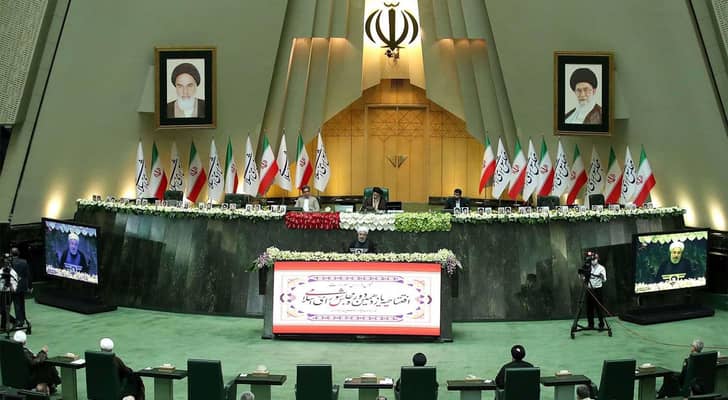
The Deputy Speaker of the Iranian Parliament, Ali Nikzad, announced on Saturday that a new bill is being finalized to overhaul the management of the Strait of Hormuz.
The proposed legislation seeks to codify Iran’s wartime control over the world’s most critical maritime chokepoint into a permanent legal framework.
According to Nikzad, the draft law includes a total and indefinite ban on all ‘Israeli’ vessels, stating they will be barred from crossing the strait "at any time."
"War reparations" for passage
In a move that significantly escalates the economic stakes of the 2026 conflict, the bill targets countries deemed "hostile" by the Iranian government.
These nations would be prohibited from using the waterway unless they pay "compensation for the war", effectively a reparations tax for the US-led "Roaring Lion" campaign.
"The movement of ships in the Strait of Hormuz will not return to how it was before the war," Nikzad warned, reinforcing earlier statements by Supreme Leader Mojtaba Khamenei that the strait must remain a strategic lever for Tehran.
Key provisions of the proposed law:
Permanent ‘Israeli’ ban: No ‘Israeli’ flagged or owned vessels allowed under any circumstances.
Hostile state tolls: Ships from nations involved in the conflict must pay war reparations to receive passage.
Permit system: All other international vessels must obtain prior authorization and approval from Iranian authorities before entering the strait.
Sovereignty claims: Iran asserts that these measures will be implemented in accordance with "international laws and the rights of neighboring countries," though maritime experts argue this directly contradicts the UN Convention on the Law of the Sea (UNCLOS).
By moving to pass this into law, the Iranian Parliament is attempting to normalize the "tollbooth" scheme that has seen some vessels reportedly pay up to $2 million for safe passage in recent weeks.