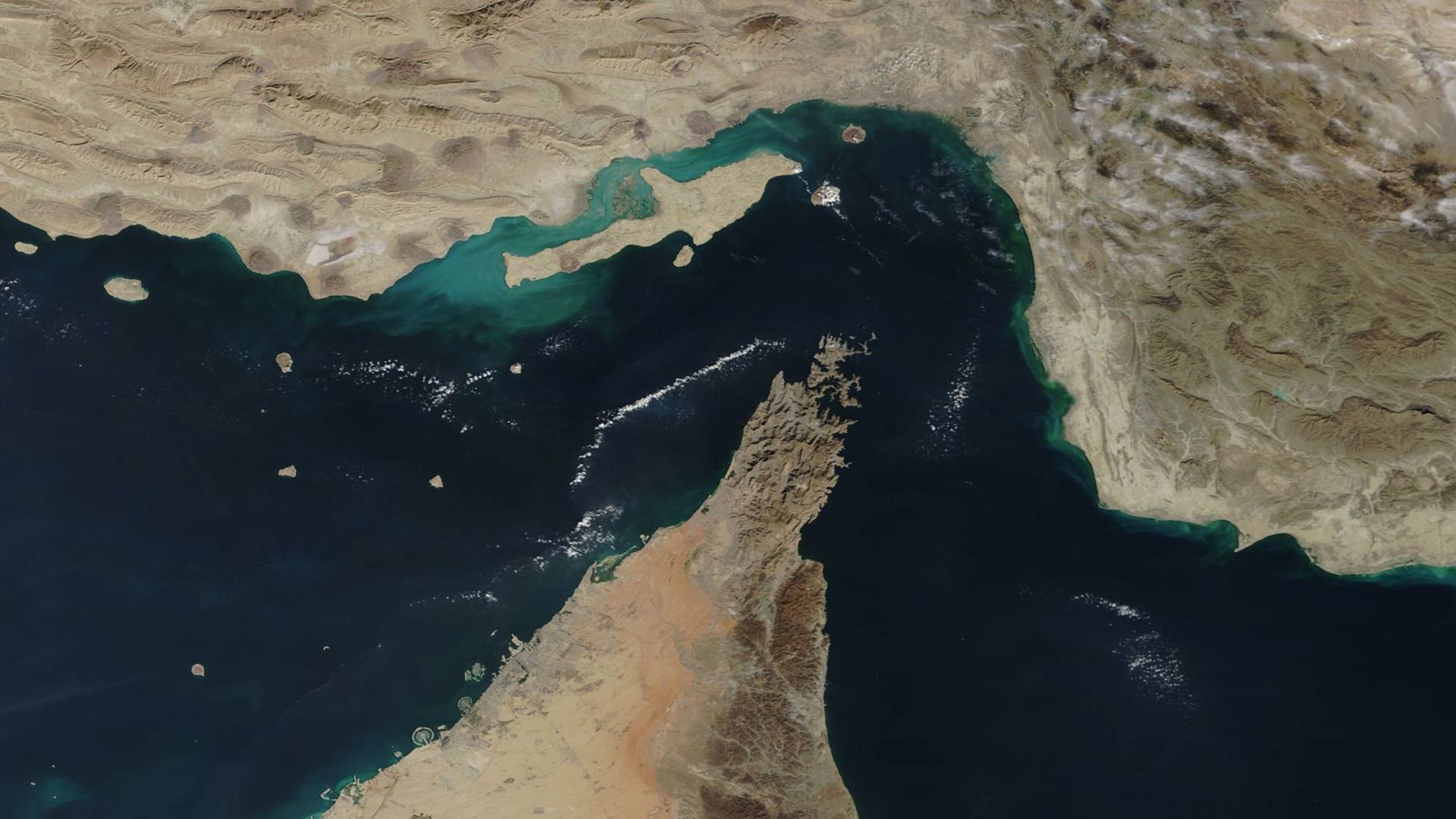
Strait of Hormuz disruption raises fears over global shipping, energy markets
Note: AI technology was used to generate this article’s audio.
- Shipping traffic reportedly slowed or halted amid security and insurance breakdown.
- War risk insurance cancellations and mine-clearing timeline deepen uncertainty.
Disruption in the Strait of Hormuz is triggering growing concern across global energy and shipping markets, with reports of stranded vessels, suspended insurance coverage, and warnings of prolonged instability in one of the world’s most critical maritime chokepoints.
The Strait of Hormuz, a narrow waterway linking the Persian Gulf to the Gulf of Oman, is responsible for a significant share of global oil and gas shipments. Any sustained interruption has immediate ripple effects on energy prices and supply chains.
Shipping congestion and uncertainty
According to reported figures, nearly 2,000 ships and around 20,000 sailors are currently waiting in the Gulf region to transit through the strait.
The disruption has slowed maritime traffic significantly, with vessels unable to proceed due to security risks and the absence of viable insurance coverage.
Insurance collapse intensifies paralysis
Marine insurers reportedly withdrew “war risk” coverage for tankers as early as March, citing heightened danger in the route. Without such coverage, many commercial operators have effectively been forced to suspend operations, even where physical passage remains possible.
The withdrawal of insurance has become a central factor in the slowdown, turning a security concern into a broader commercial shutdown.
Mine-clearing timeline and military constraints
US officials have indicated that clearing naval mines in the waterway could take at least six months, further extending uncertainty over when normal shipping might resume.
Even after any demining operations, analysts expect elevated insurance premiums to persist until a durable political or security agreement is reached in the region.
Global economic implications
The continued disruption has raised concerns over oil supply stability and global inflation pressures, given the Strait of Hormuz’s role as a key export route for major energy producers in the Gulf.
Market participants warn that even partial interruptions in traffic can lead to sharp volatility in energy prices, particularly if insurance and security conditions do not stabilize in the near term.