Iranian media highlights “digital chokepoint” in Strait of Hormuz cable map
Note: AI technology was used to generate this article’s audio.
- Iranian media maps critical undersea internet cables through Strait of Hormuz.
- Analysts warn single disruption could impact global connectivity.
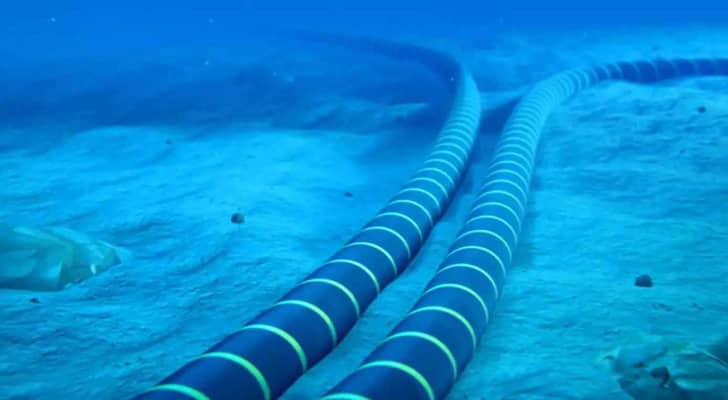
Iranian news agency Tasnim News Agency has published a detailed map of submarine internet cables crossing the Strait of Hormuz, describing the system as “highly vulnerable” and a potential “digital chokepoint.”
Read more: Iranian media reports sharp drop in traffic through Strait of Hormuz
The report frames the narrow waterway, already known for its strategic role in global energy transport, as a critical infrastructure corridor carrying vast volumes of global internet traffic.
Seven key cables in a narrow corridor
The analysis identified at least seven major submarine cable systems, including FALCON, AAE-1, and SEA-ME-WE, which link Gulf states with major data hubs in Europe and Asia.
It noted that these systems pass through a tightly concentrated maritime zone, leaving limited alternative routing options in case of disruption.
Risk of large-scale disruption
Citing analysis from TeleGeography, the report warned that the proximity of these cables means a single incident, whether accidental or intentional, could damage multiple systems simultaneously.
Read more: Iran official says Tehran receives first revenue from Strait of Hormuz tolls
It also highlighted the vulnerability of repair vessels, which must remain stationary for extended periods during maintenance operations in potentially hostile environments.
Strategic messaging amid tensions
The timing of the publication has drawn attention, with observers suggesting it may carry broader geopolitical messaging amid ongoing military tensions involving the United States and ‘Israel’.
Some analysts interpreted the report as an indirect signal of leverage over critical infrastructure routes used for global cloud services, financial systems, and communications passing through the region.
Growing infrastructure concerns
The Strait of Hormuz already plays a central role in global energy security, and the new focus on undersea internet cables underscores rising concerns that any escalation in regional conflict could have far-reaching digital as well as economic consequences.