
The head of the International Energy Agency (IEA) Fatih Birol

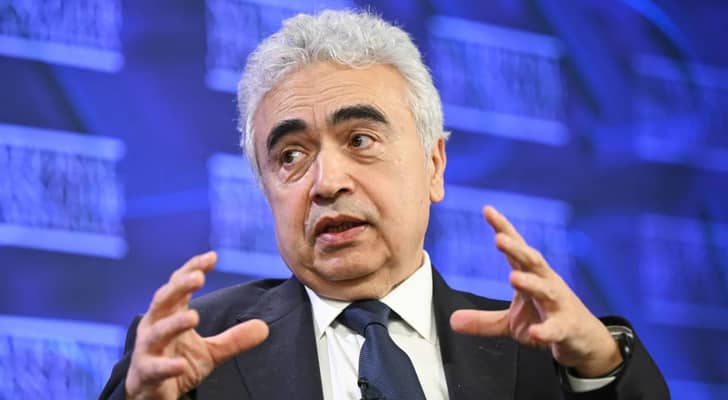
IEA chief warns of 'biggest energy crisis in history'
Note: AI technology was used to generate this article’s audio.
- IEA Executive Director Fatih Birol stated that the fallout from the Iran war has triggered an unprecedented global energy crisis.
- He noted that the current losses in oil, gas, and vital commodities far exceed those of previous historical crises combined.
- Birol urged governments to design new energy policies, viewing the crisis as a catalyst for major industrial transformation.
The head of the International Energy Agency (IEA) Fatih Birol, stated on Wednesday that the ongoing repercussions of the Iran war have triggered a global energy shortage of unprecedented proportions.
Speaking at the Petersberg Climate Dialogue in Berlin, IEA Executive Director Fatih Birol issued a stark warning regarding the current state of global markets, declaring, "We are facing the biggest energy crisis in the history."
Read more: UN maritime agency warns of shipping crisis near Strait of Hormuz
Unprecedented commodity losses
Birol highlighted the sheer scale of the disruption, emphasizing that the economic impact extends far beyond traditional energy markets.
He noted that the losses sustained during the current conflict are "much bigger than all the crises put together in terms of oil and gas."
Beyond basic energy resources, Birol pointed out severe disruptions to the supply chains of other critical materials, adding, "Plus, there are vital commodities that we are losing such as petrochemicals, fertilizers, helium, sulfur."
A catalyst for industrial change
Despite the grim assessment of current market conditions, the IEA chief expressed optimism that the crisis will prompt a massive and necessary structural shift. Birol stated that "there will be a major response to this crisis" from both the public and private sectors.
He emphasized that the responsibility now lies with governments to carefully design energy policies tailored to the industrial sector. This involves maintaining the competitiveness of existing industries while simultaneously laying the groundwork for "tomorrow’s industries."
Birol expects this transformative response to ripple across all parts of the broader economy, specifically highlighting the car manufacturing and electrical industries. Framing the necessary transition as a positive development, he concluded, "And this is a wonderful opportunity."







