Traffic rolls along a main thoroughfare as daily life returns to the streets following nationwide protests in Iran’s capital Tehran. (January 19, 2026)


Iran gives “rioters” three days to surrender to police
Note: AI technology was used to generate this article’s audio.
- Iranian Police Chief Ahmad-Reza Radan announced a 72-hour window for "misled" protesters, specifically youth involved "unwittingly", to surrender in exchange for lenient treatment, a move analysts view as a strategic attempt to fracture the movement following weeks of deadly unrest.
- While the government acknowledges thousands of arrests, independent reports from medical networks and human rights groups estimate a staggering death toll of up to 16,500 people, following a near-total internet blackout that was imposed on January 8.
Iran's national police chief said on Monday that people who were "deceived" into joining demonstrations the authorities have deemed "riots" would receive lighter punishment if they turned themselves in within three days.
"Young people who became unwittingly involved in the riots are considered to be deceived individuals, not enemy soldiers", and "will be treated with leniency by the Islamic republic system", Ahmad-Reza Radan told state television, adding they had "a maximum of three days" to surrender.
The move appears to be an attempt by security forces to divide the protest movement after the most significant challenge to the Iranian leadership since the late 2022 demonstrations following the death of Mahsa Amini.
Origins and Escalation of Unrest
The current wave of protests erupted on Dec. 28, initially fueled by anger over deteriorating economic conditions and the high cost of living.
However, the movement quickly expanded into a broad political challenge against the current leadership that has governed since 1979.
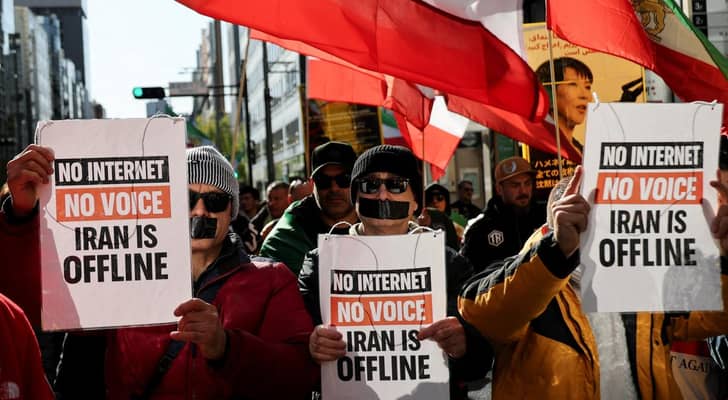
The intensity of the street protests has waned in recent days, with human rights organizations claiming that thousands have been killed since the government imposed a near-total internet blackout on Jan. 8.
Foreign Allegations and Mass Arrests
Iranian officials have consistently blamed the United States and ‘Israel’ for fueling the unrest, claiming that "rioters" diverted the movement from its original economic goals.
While some officials expressed a nominal understanding of economic grievances, they vowed zero tolerance for "saboteurs."
Tasnim News Agency reported last week that security forces have arrested approximately 3,000 people.
The announcement follows a stern warning from Supreme Leader Ayatollah Ali Khamenei on Saturday, who called on the state to "break the back of the seditionists."
Khamenei directly blamed US President Donald Trump for the fatalities, accusing Washington of orchestrating a "fitna," or sedition, against the Iranian nation.