Robert Way. (credit: Shutterstock)


Musk: Tesla robots could surpass human surgeons within 3 years
Note: AI technology was used to generate this article’s audio.
- Elon Musk says Tesla robots could outperform human surgeons within three years.
- Health experts and ethicists dismiss the claim as overly optimistic and unrealistic.
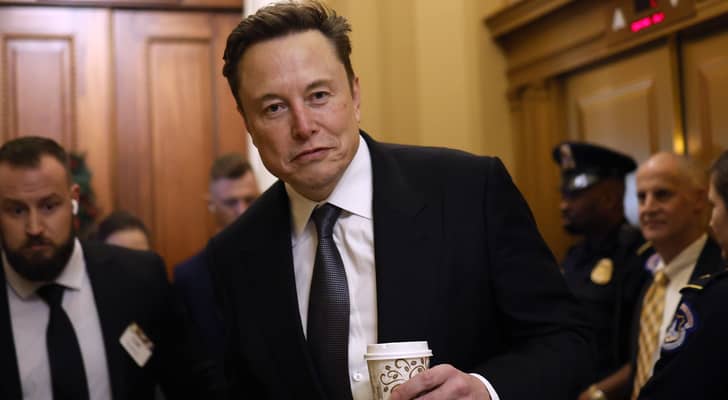
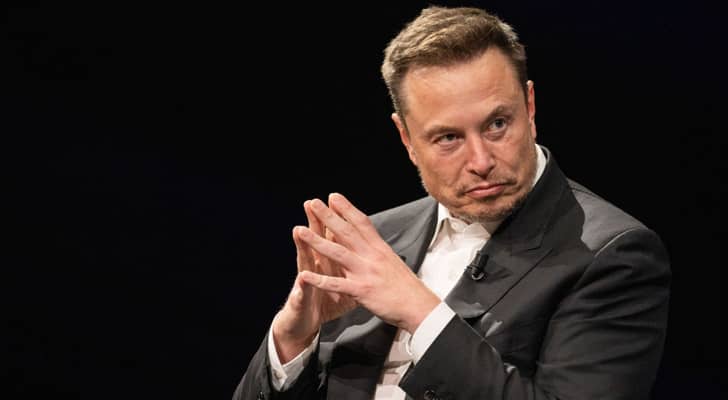
Elon Musk predicted that robots developed by his company would outperform all human surgeons and doctors within three years, according to The Independent.
Musk made the remarks during an episode of the “Moonshots” podcast hosted by American engineer and physician Peter Diamandis.
Read more: 32% of 'Israelis' say they need mental health support following two years of war
He argued that becoming a doctor requires an extremely long learning process and that medical knowledge is expanding at a pace humans cannot keep up with. Musk also pointed to time constraints faced by doctors and the possibility of human error.
When asked when Tesla’s humanoid robot “Optimus” would be capable of performing surgery, Musk said it could be ready within three years. He added that the number of Optimus robots with advanced surgical skills could eventually exceed the total number of surgeons worldwide.
Experts push back
The Independent report highlights widespread skepticism among health experts, with one specialist describing Musk’s forecast as excessively optimistic. Experts said fully relying on robots to perform surgeries remains unlikely for many years.
Arthur Caplan, a bioethics specialist at New York University, said Musk’s claims lack credibility, noting that progress in robotic surgery is advancing at a very slow pace.
Read more: AI aims to spot disease years before symptoms
Caplan added that some surgical procedures border on artistry, including cosmetic surgery, burn treatment, and trauma repair, arguing that their complexity could make fully robotic execution unfeasible for years to come.
Robots as tools, not replacements
In a related context, a report published by the US journal Nature said surgical robots have improved the performance of human surgeons by enhancing precision and significantly reducing margins of error.
While this partially aligns with Musk’s broader vision, the Nature report stresses a key difference. It describes robots as assistive tools under human control, not autonomous systems capable of replacing surgeons entirely.
The contrast underscores an ongoing debate in medicine over whether artificial intelligence will complement human expertise or attempt to replace it altogether.