Dollar weakness looms over markets as 2025 ends
Note: AI technology was used to generate this article’s audio.
- Dollar heads for largest annual decline since 2017 amid interest rate cuts and market uncertainty.
- Euro and pound post biggest yearly gains in eight years as weak dollar boosts global currencies.
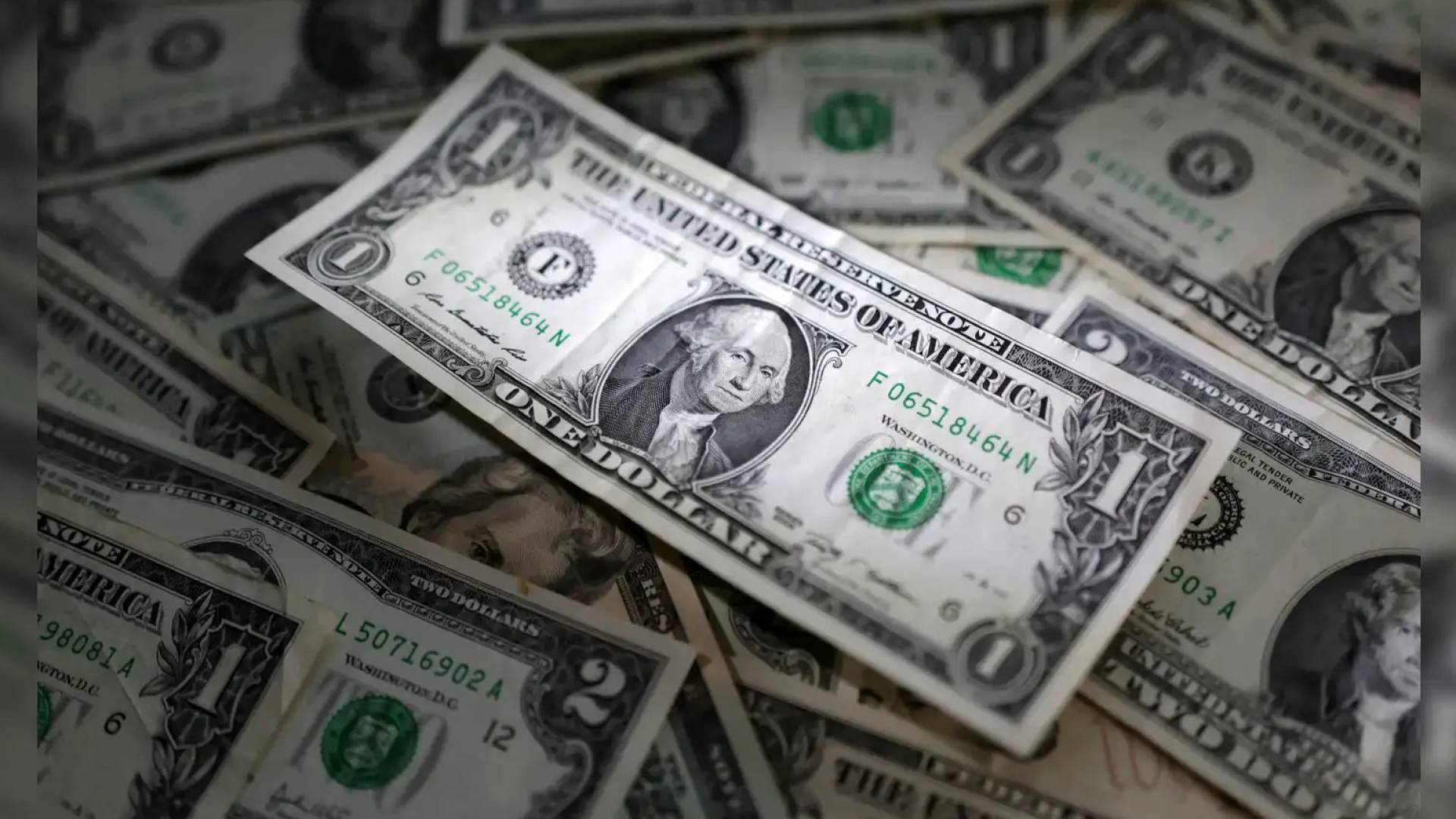
The US dollar rose slightly on Wednesday but is on track to record its largest annual drop since 2017. Concerns over interest rate cuts, financial instability, and unpredictable trade policies under President Donald Trump weighed heavily on currency markets throughout 2025.
Continued Risks in 2026
Many of these uncertainties are expected to persist into 2026, suggesting the dollar’s weak performance could extend and continue to support other major currencies such as the euro and the British pound, both of which posted substantial gains this year.
Read more: Gaza mourns 2025 as another deadliest year, fears of displacement grow
Further pressure on the dollar stems from concerns over the Federal Reserve’s independence. Trump announced plans to reveal his choice for Fed chair in January, replacing Jerome Powell, whose term ends in May. Powell has faced persistent criticism from the president.
Currency Movements
The euro fell 0.1 percent to $1.1736, while the pound traded at $1.3434 in the final session of the year. Both currencies are poised for their largest annual gains in eight years. The U.S. dollar index, measuring the greenback against six major currencies, stood at 98.35, down 9.4 percent for 2025. By contrast, the euro rose 13.4 percent and the pound gained 7.5 percent.
Other European currencies also surged. The Swiss franc jumped 14 percent and the Swedish krona soared 20 percent during the year.
Read more: AIPAC retreats from spotlight as Gaza war reshapes US politics: Report
Analyst Insights
“Expectations of further dollar weakness in 2026 remain widely supported, with a weaker dollar versus the euro likely”, said Prashant Nionah, Asia-Pacific analyst at TD Securities.
The dollar received a mild boost earlier after Federal Reserve minutes showed deep divisions among policymakers over December’s interest rate cut. Some members suggested holding rates steady “for some time”, according to Barclays economists. Market participants anticipate two rate cuts in 2026, although the Fed projects only one.
Global Impact
The dollar’s decline supported major currencies and drove gains in emerging markets. The Chinese yuan broke the key 7-per-dollar level Tuesday for the first time in two and a half years, climbing 4.4 percent for the year, its largest annual rise since 2020.
The Japanese yen remained largely steady despite two rate hikes by the Bank of Japan, trading at 156.61 per dollar. Officials in Tokyo had warned of potential intervention amid previous lows.
Read more: VIDEO: A year of leadership: King Abdullah II’s key activities in 2025
The Australian dollar traded at $0.66965, heading for a gain of more than eight percent, its best annual performance since 2020. The New Zealand dollar slipped slightly to $0.57875 but is set to rise 3.4 percent, ending a four-year losing streak.
Cryptocurrency Declines
Bitcoin is set to close the year down 5.5 percent, marking its first annual drop since 2022. The cryptocurrency last traded at $88,583, down 30 percent from its record high of $126,223 in October.