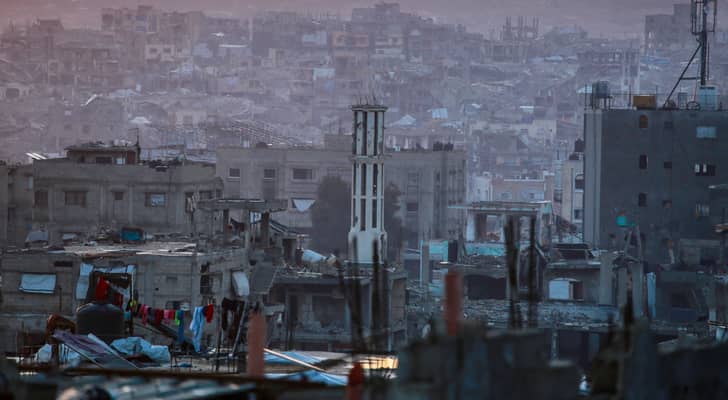
Palestinian football team progresses as conflict rages.

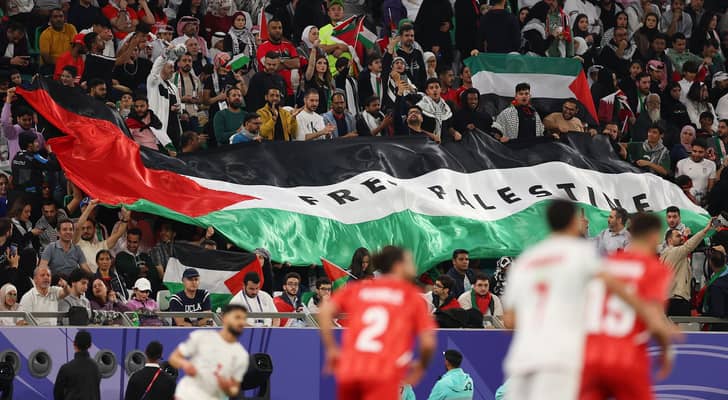
How Palestine forced sport to reckon with violence in 2025
Note: AI technology was used to generate this article’s audio.
- Palestinian athletes faced deadly violence in Gaza, highlighting the limits of solidarity in global sport.
- Fans and grassroots movements increasingly pushed back against political erasure in sports, from football to cycling.
In 2025, following years of sustained occupation and genocide in Gaza, sport as a form of entertainment became inseparable from politics and human rights. The deaths of Palestinian athletes, most notably Suleiman Al-Obeid, who was killed while waiting for aid, underscored how deeply the aggression permeates the sporting world and how institutions often fail to respond.
Read more: AIPAC retreats from spotlight as Gaza war reshapes US politics: Report
Hope amidst tragedy
Despite the violence and loss, moments of solidarity emerged. Palestinian footballers, including those scattered across the diaspora, carried the grief of their communities onto the pitch in World Cup qualifiers, friendlies, and the FIFA Arab Cup. Matches such as the emotionally charged friendly between Palestine and the Basque Country in Bilbao offered spaces to mourn, raise funds for humanitarian aid, and publicly assert the struggle for freedom, with tens of thousands bearing witness.
These acts revealed the resilience of liberation movements, demonstrating that joy, determination, and hope persist even in the shadow of genocide. Yet the governing bodies UEFA, FIFA, and others continued to prioritize politics of protection over human rights, allowing 'Israeli' teams to remain active despite repeated calls for sanctions and exclusion.
Grassroots action shapes sports politics
Outside football, fans and activists brought politics directly into play. During the 2025 Vuelta a España, pro-Palestinian protests disrupted stages of the race to oppose 'Israeli' participation. Similar efforts in the UK pressured sponsors to reconsider ties with companies supporting the occupation. These movements highlighted that meaningful accountability often comes from streets and stadiums, not boardrooms.
Read more: 'Israeli' army reports striking some 20,900 targets across multiple fronts in 2025
Instances of repression also continued, with supporters being asked to remove flags or jerseys expressing solidarity with Palestine. At the same time, cases like Arsenal signing an 'Israeli'-linked tech sponsor illustrated the ongoing entanglement of commercial sport with the occupation.
Looking ahead
The experiences of Palestinian athletes and activists show both the limitations of institutional response and the transformative potential of collective action. The challenge now lies in whether fans, players, and administrators are willing to move beyond gestures and reshape sport in the shadow of oppression.