'Israel' approves closure of Army Radio over reports criticizing army
Note: AI technology was used to generate this article’s audio.
- 'Israel’s' cabinet approves closure of Army Radio: The 75-year-old station will shut down by March 1, 2026, after Defense Minister Israel Katz cited its reporting criticizing the army.
- Critics warn of threats to press freedom: Opposition leaders, journalists’ unions, and civil society groups say the move, along with expanded powers to shut foreign media, undermines free expression and independent reporting in 'Israel'.
'Israel’s' cabinet voted Monday to close the country’s Army Radio (Galei Tzahal), one of the nation’s oldest media institutions, after 75 years of broadcasting.
The decision, introduced by Defense Minister Israel Katz, is part of a broader government effort to consolidate control over the media, which critics say threatens press freedom and free expression. The station will cease operations on March 1, 2026.
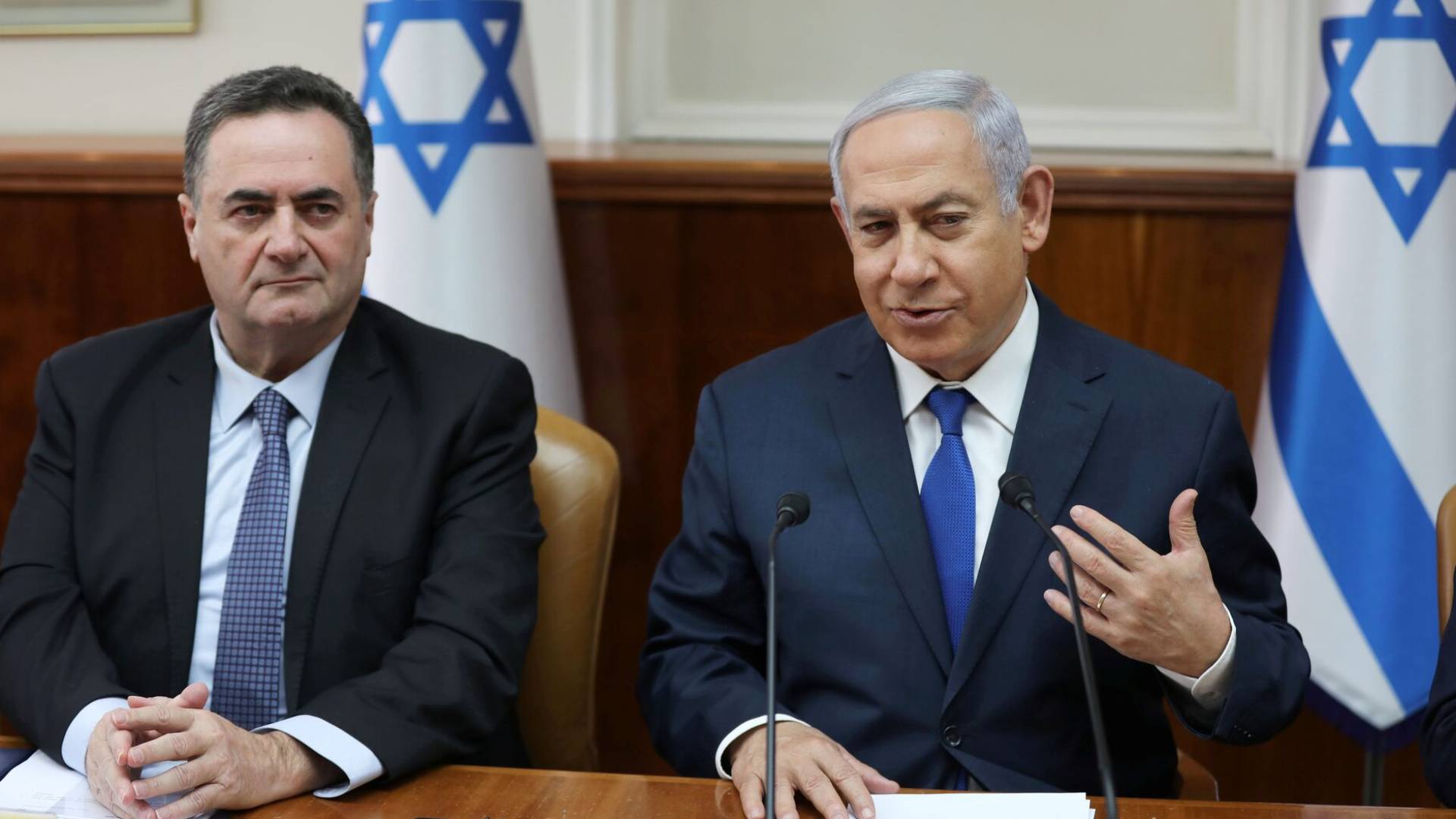
The move passed unanimously in the weekly cabinet meeting, despite opposition from Attorney General Gali Baharav-Miara, who warned that the decision lacked a factual and professional basis and violated the law.
Government justification and Netanyahu’s remarks
Katz described the station as an anomaly, saying, “A reality in which a radio station intended for all citizens is operated by the army does not exist in democratic countries.” He added that the station’s political reporting harms the Israel Occupation Forces (IOF) and its soldiers.
Prime Minister Benjamin Netanyahu compared Army Radio to state-controlled media in North Korea, stating, “We certainly don’t want to be counted among them.” Katz argued that the station had strayed from its original purpose of serving soldiers and had become a platform criticizing the IOF.
Criticism from journalists and opposition
Critics say the closure undermines free speech. Opposition leader Yair Lapid called it “part of the government’s campaign to abolish freedom of speech in 'Israel' during an election year,” and accused the government of trying to control narratives inconvenient to its policies. The 'Israel' Press Council, journalists’ unions, and civil society groups plan to challenge the decision in the Supreme Court.
The 'Israel' Democracy Institute called the closure “part of a broader and worrying pattern of ongoing harm to Israeli democracy,” emphasizing that shutting Army Radio eliminates half of the country’s independent public news broadcasts.
Media overhaul and Al Jazeera law
The cabinet also approved a controversial piece of legislation that extends the government’s authority to shut down foreign media outlets on national security grounds, commonly referred to as the “Al Jazeera Law.” Originally applied during the 2024 Gaza war to close Al Jazeera offices, the law now extends through 2027 and can be used even outside a state of emergency, though judicial oversight remains.
The law allows the communications minister, with the prime minister’s approval, to close foreign media outlets if their content poses a “concrete threat to national security.” Critics argue that such measures further consolidate control over the media and restrict independent reporting in 'Israel'.
A broader pattern of media control
Analysts and civil society groups say the closure of Army Radio and the expansion of government powers over foreign media are part of a wider effort by Netanyahu’s right-wing coalition to influence 'Israel’s' media landscape ahead of an election year.
Previous moves by the government include proposed reforms to the judicial system, broader emergency powers, and new regulations affecting the national media market, sparking public protests and debates over press freedom and democratic norms.