Maritime Self-Defense Force (JMSDF)

EXCLUSIVE ANALYSIS: Japan’s integrated strategy for a new era of maritime security
Note: AI technology was used to generate this article’s audio.
By Ro’a Hanini
Editor's Note: The following analysis is derived from an exclusive visit and private briefings with highprofile officials from both the Maritime Self-Defense Force (JMSDF) and the Japan Coast Guard (JCG). It details Japan's unified, two-pronged security strategy facing what officials term the "most severe, difficult security environment in recent years."
The calm facade of an island nation belies a profound transformation: Japan's maritime defense forces are operating at a sustained wartime tempo.
High-ranking officials from both the Maritime Self-Defense Force (JMSDF) and the Japan Coast Guard (JCG) granted this exclusive access to detail a radical, two-pronged security strategy that is redefining their role in Asia. The move is fueled by what they term the "most severe security environment in recent years," forcing them to fight two simultaneous wars: a high-tech global alliance war on the world stage, and a daily, physical war of attrition in their own territorial waters.
What we learned is a story of extreme pressure: from the 92-hour maritime standoff with foreign vessels that tested the nation's resolve, to the internal crisis of a defense workforce operating under a self-described "27-hour day" workload.
This is the inside story of Japan’s ambitious technological leap (from AI to advanced frigates), its desperate diplomatic balancing act (from the Gulf of Aden to the Indo-Pacific), and the immediate, human cost of defending the world’s most critical shipping lanes.
- Global reach: JMSDF’s strategic pivot -
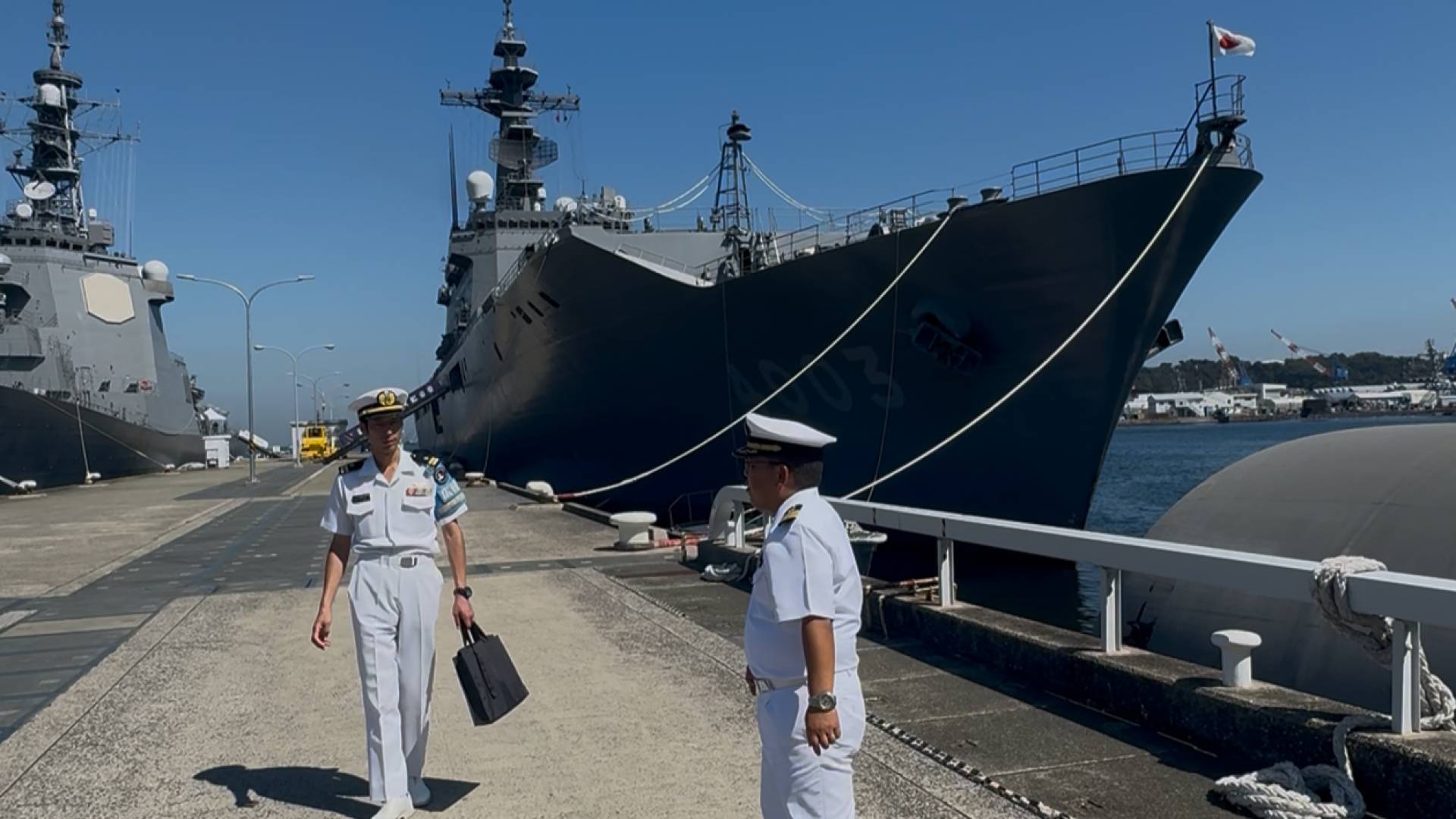
The JMSDF is clearly pushing beyond its traditional defensive role, aiming to be a genuine global security anchor. Their focus is on the Free and Open Indo-Pacific (FOIP), and I saw a palpable sense of urgency about modernization and deep integration with allies.
High-Tech, High Stress
The push for modernization, slated for completion by 2027, is serious. The officials were incredibly candid about adopting Artificial Intelligence (AI) for intelligence gathering. They see AI as the effective way to manage the data deluge, hoping to collapse complex target analysis that used to take human teams working "overnight" into a matter of "point one second." They admitted this shift is critical not only for operational speed but also to relieve the intense pressure on personnel, but also a point that was driven home when one official lamented that the workload often makes a 24-hour day feel like "27 or 29 hours."
This modernization isn't just internal. Australia's selection of the Japanese-designed, upgraded Mogami class frigate was a huge point of pride. It validates Japan as a key defense technology exporter and deepens cooperation with a vital partner. We also heard about the upcoming deployment of more Unmanned Aerial and Underwater Vehicles (UAVs and UUVs) to augment their fleets.
Alliance Building Across Continents
The JMSDF's schedule is packed. They are clearly leveraging their global reach through a massive surge in joint exercises and diplomatic talks, the sheer volume is striking.
- I was particularly interested in their Middle East strategy. With 92% of their oil transiting the Strait of Hormuz, they maintain a continuous presence, conducting frequent security talks and port calls with several nations. This isn't just about defense; it's about securing their economic lifeline and promoting regional stability.
- The officials emphasized their "soft power" side, highlighting extensive disaster relief and humanitarian activities (Pacific Partnership), a key tool for building trust across the Asia-Pacific.
- Daily grind: JCG’s unwavering frontline -
The contrast between the JMSDF and the JCG is stark. The JCG, a non-military force, is fighting the security war at home, primarily in the waters around the Senkaku Islands (Diaoyu). This is a daily, relentless test of political will.
The Battle for Persistence
The JCG officials confirmed my suspicion: their job is pure resilience. Chinese Coast Guard vessels are now sighted in the contiguous zone near the islands for over 300 days a year. Their strategy, as the Japanese see it, is a "strategy of erosion", using sheer, armed presence to slowly normalize their claims.
The most stressful element is the increasing number of cases where Chinese vessels attempt to harass Japanese fishing boats. The JCG's response is simple but grueling: they must physically interpose their patrol boats to shield the fishermen. We heard about one record trespass where they maintained a protective guard for over 92 continuous hours. They are literally using their vessels and their presence to block the Chinese.
The Diplomatic Catch-22
When I pressed the JCG officials on how they plan to stop the trespassing, the answer was telling. They said, "The issue is diplomacy; the government has to do something in the diplomatic [sphere]." They are clear-eyed that their job is to handle the tactical situation daily, but the ultimate solution must come from higher-level negotiations. For the JCG, an intrusion, even if non-violent, is a "serious matter," because every trespass chip away at Japan's control.
- Internal imperative: Backing the troops -
Perhaps the most human aspect of the briefing was the emphasis on personnel. After hearing about the "27- hour day" workload, it made perfect sense why the Ministry of Defense's Defense of Japan 2025 policy is prioritizing the "improvement of treatment and work environment" for all JSDF staff. Japan's grand strategy - its AI future, its global alliances, and its frontline resistance - will ultimately fail if it cannot sustain its people.
In closing, what I took away was a country fighting a security war on two simultaneous, deeply integrated fronts: a technological and diplomatic war abroad led by the JMSDF, and a political, determined war of endurance at home led by the JCG. It's an impressive, high-stakes balancing act.