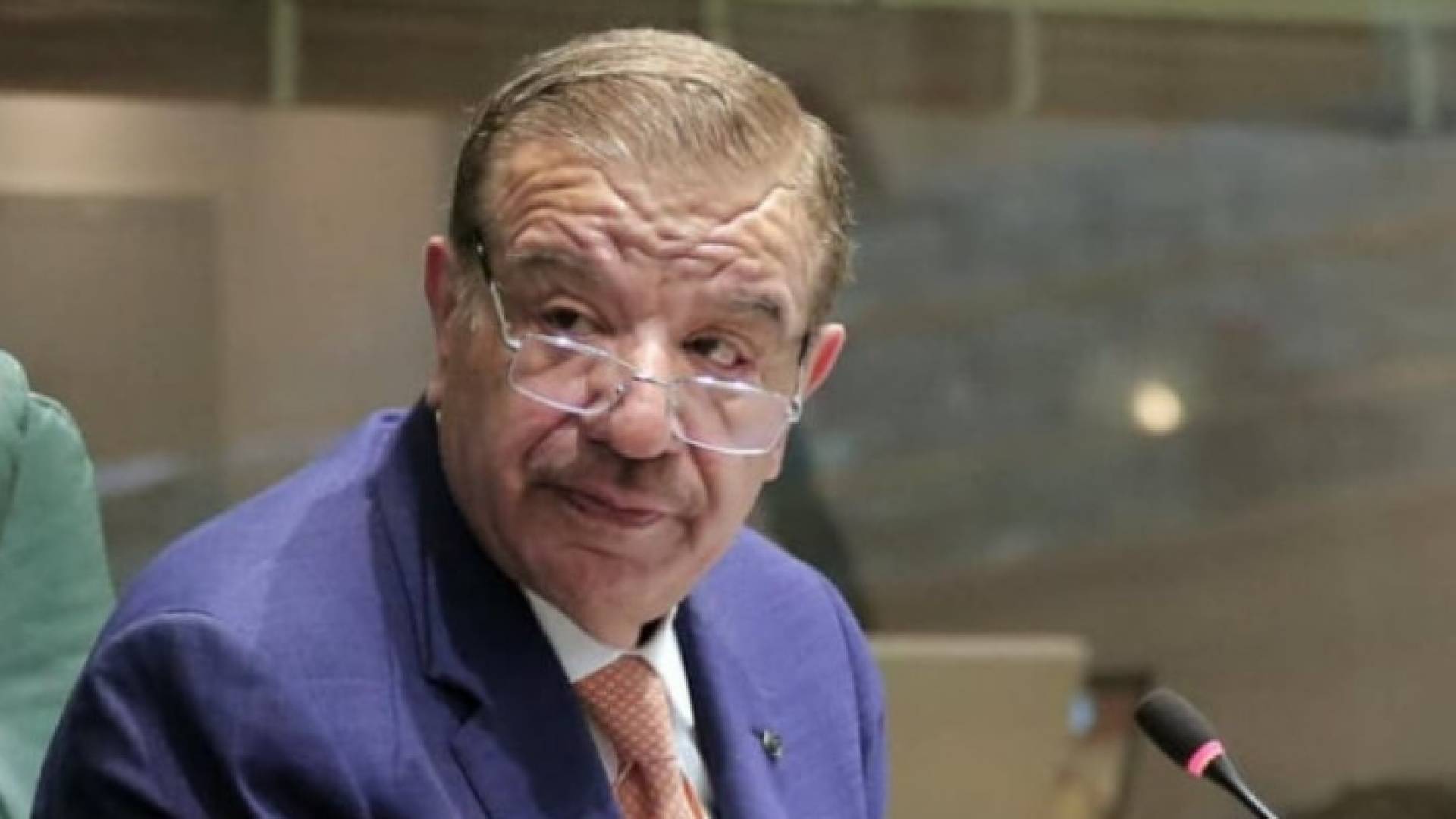
Deputy says cybercrime law 'clear'
During the parliamentary discussion of the cybercrime law, Member of Parliament Abdul Karim Al-Dughmi asserted that pre-existing penalties since 1960 have adequately addressed expressions that incite religious and sectarian strife and hate, and these penalties are "clearly defined."
Al-Dughmi emphasized that the cybercrime draft law does not violate the Constitution as the definitions it contains are already present.
He stated that if the law were in contradiction with the constitution, he would have "left the session."
He concluded by stating that the court is capable of providing clarification on any article in the draft law if needed.
Also Read: 'Cybercrime law serves the higher national interest,' says MP
Earlier, Deputy Abdullah Abu Zaid stated Thursday that the 2023 Cybercrime Law serves the higher national interest.
During a legislative session to discuss the draft law, Abu Zaid emphasized that the proposed law contributes to the refinement of society.
He further highlighted that during his job as the head of the Public Freedoms and Human Rights Committee, he visited prisons and found no prisoners charged with freedom of opinion and expression cases.
Prime Minister Bisher Al-Khasawneh sought to defend the Cybercrime draft law, saying that it should not clash with the freedoms enshrined in the constitution.
He emphasized that the government's proposals adhere to constitutional principles and aim to safeguard the rights of all Jordanians, particularly freedom of expression.
In response, MP Adnan Mashuqa voiced concerns, stating that the proposed law poses a threat to Jordan's reputation regarding journalistic freedom.
Mashuqa argued that the law contradicts efforts to modernize the political system and called for the government to reconsider its stance to avert potential crises.