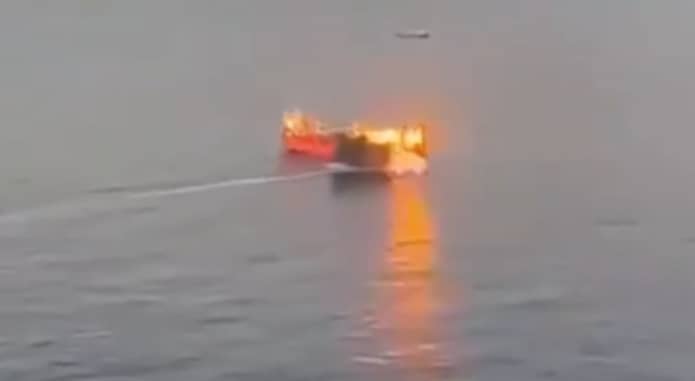
Zelenskyy claims responsibility for sinking Russian warship off Libya
Note: AI technology was used to generate this article’s audio.
- Zelenskyy announced Ukrainian naval drones off Libya sank the Russian corvette Merkury, destroyed a Ka-27 helicopter, and hit a cargo ship
- Sunday's strike at Benghazi naval base capsized and largely sank the Merkury, lightly injuring 10 Russian and Libyan personnel
- Eastern Libyan authorities launched a joint probe with Moscow and sought a UN inquiry
- While Tripoli warned against turning Libya into a foreign battleground
Ukrainian President Volodymyr Zelenskyy claimed on Monday that Ukrainian forces sank a modern Russian warship, destroyed a military helicopter, and struck a Russian cargo vessel during a coordinated naval drone operation off the coast of Libya.
In a statement posted on the social media platform X alongside onboard footage from the unmanned vessels, Zelenskyy said the operation was executed by the Security Service of Ukraine (SBU) and the country’s Defense Forces.
"An exemplary Ukrainian operation in response to Russia's war," Zelenskyy wrote. "It all took place off the coast of Libya. Our warriors deployed seven Ukrainian-made naval drones. Despite all the enemy's efforts to counter the attack, the Russian corvette Merkury was sunk. It's one of their newest ships, commissioned in 2023, during the full-scale war."
Zelenskyy added that a Russian Ka-27 combat helicopter was destroyed alongside the Steregushchiy-class corvette, and confirmed a second strike against the Russian dry cargo vessel MV Angara, which Kyiv accuses Moscow of using to transport weapons.
"We continue our operations in designated waters. We are responding to Russia's aggression. We are developing Ukrainian weapons," Zelenskyy stated.
Explosion, sinking at Benghazi naval base
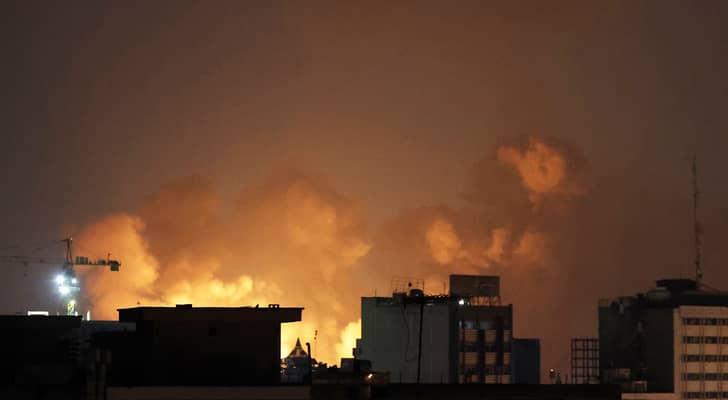
The strikes took place in the early hours of Sunday at the Benghazi naval base in eastern Libya, where the Merkury had docked for refueling and supplies while returning to Russia, according to Libya’s eastern-based administration.
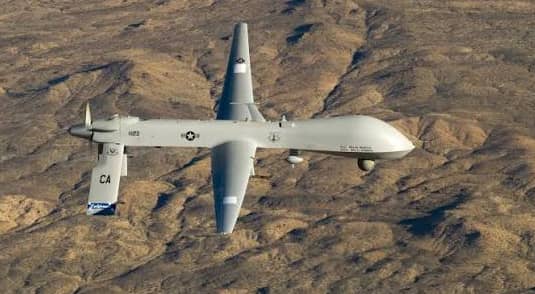
Preliminary findings by Libyan military officials indicated that six naval drones approached the warship; four were intercepted, while two struck the vessel, triggering a major explosion and fire.
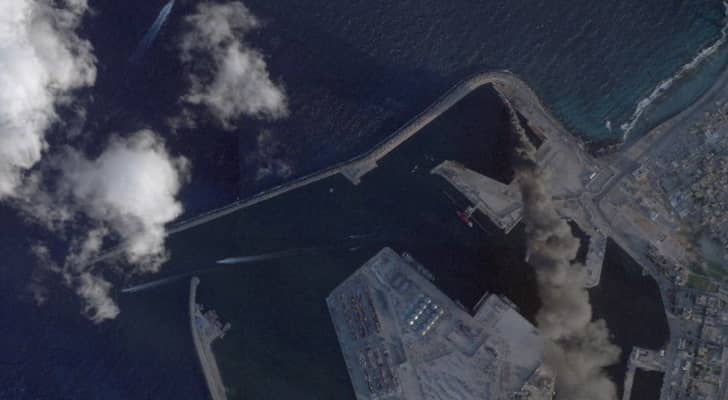
Subsequent satellite imagery showed that the corvette had capsized and largely sunk at its berth, leaving only its bow visible above the waterline. Ten Russian and Libyan crew members sustained minor injuries and received medical treatment in Benghazi.
Fears of conflict spillover
Libya’s eastern-based administration —which governs much of eastern and southern Libya and noted that the Russian warship was utilizing the port under an existing maritime cooperation agreement— announced a joint investigation with Moscow to determine the circumstances of the attack.
Eastern officials also requested an international investigation through the United Nations, citing suspicions that the drones may have been launched from western Libya and seeking clarification regarding the presence of Ukrainian military specialists in the country.
Separately, Libyan military sources reported that a Maltese-flagged commercial ship was struck by a drone boat off Benghazi later on Sunday, while Libyan naval and air forces intercepted more than 20 additional unmanned surface vessels in the area.
The internationally recognized government in Tripoli warned against turning Libyan ports and civilian infrastructure into arenas for foreign conflicts.
Meanwhile, Russia’s ambassador to Libya, Aydar Aganin, accused Kyiv of attempting to expand the war into maritime zones far removed from the main theater of hostilities.